
Anyone who hikes at high elevation, whether in the Rockies, the Andes, or the Himalayas, faces the same fundamental challenge: altitude and winter conditions don’t forgive mistakes.
Himalayan climbers learn this early. They don’t rush, they respect weather windows, and they understand that cold and thin air change how the body performs.
January trekking in Nepal works the same way.
Trekking in winter isn’t about being “tough.” It’s about understanding what cold temperatures, snow, and altitude do to your body, and planning around those realities. Routes like the Everest Base Camp trek, Annapurna, and Langtang remain open in January, but they demand a different mindset than peak-season trekking.
So how difficult is trekking in January, really? The answer depends on where you go, how high you climb, and how well you prepare. This guide breaks it down honestly—based on real winter conditions, not marketing promises.
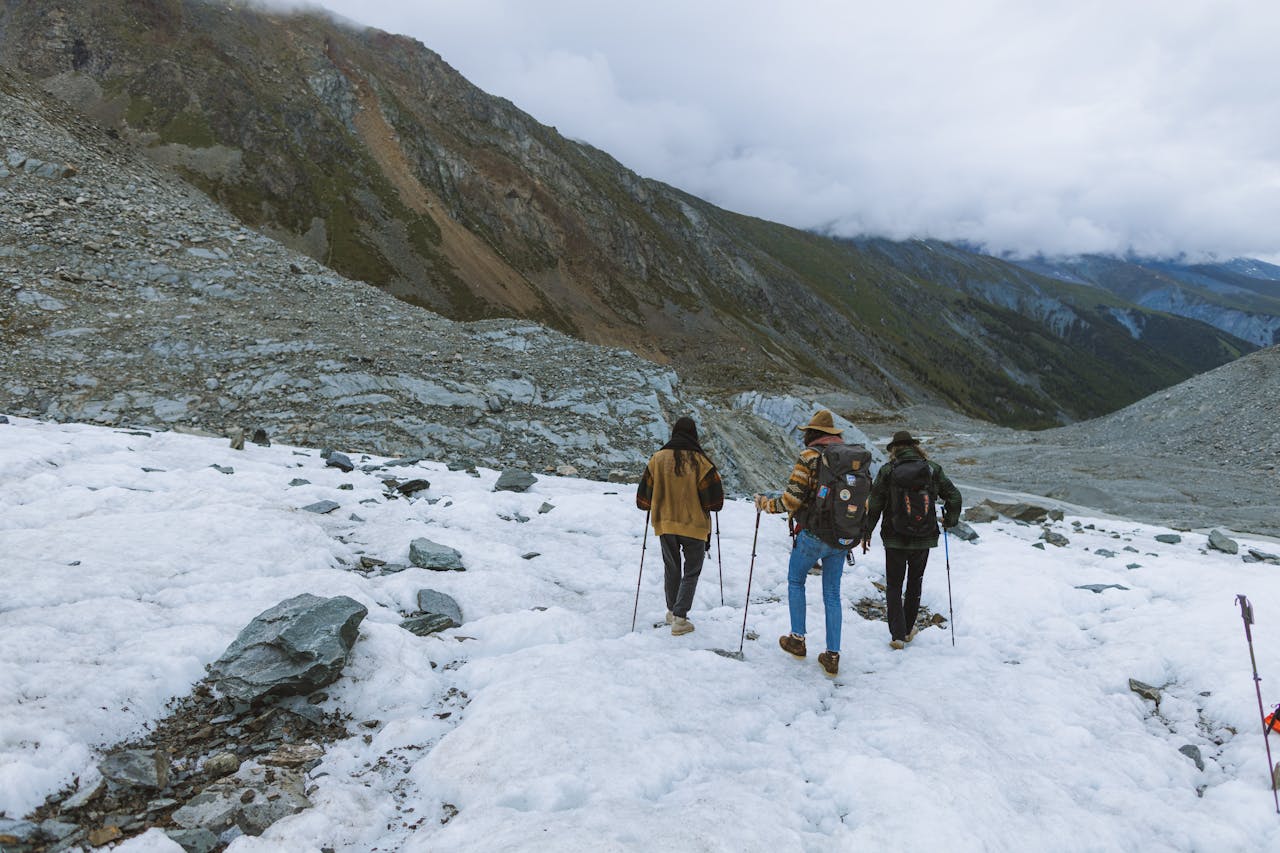
Is Trekking in January a Good Idea?
January trekking in Nepal can be deeply rewarding, but it’s not a casual decision. Winter strips the mountains down to their raw essentials.
Why Some Trekkers Love January
One of the biggest advantages of January trekking is solitude. Popular trails that feel crowded in spring and autumn become quiet and spacious. On routes like Everest Base Camp, you’ll still see other trekkers, but far fewer.
Winter also brings exceptional visibility. Cold air holds less moisture, which often means clearer skies and sharper mountain views. Many climbers consider January and February some of the best months for long-distance visibility in the Himalayas.
Teahouses are quieter, guides are more available, and the mountains feel wilder and more personal.
Why January Is Harder Than It Looks
The cold is the main challenge. At elevations above 3,000 meters (9,842 feet), nighttime temperatures regularly drop well below freezing. On the Everest Base Camp route, temperatures near Gorak Shep can fall to –15°C (5°F) or colder.
Snow and ice slow everything down. Trails become slippery, river crossings freeze, and high passes may close temporarily. Daylight is shorter, which means less margin for error.
Some lodges close for winter, especially at higher elevations, so planning ahead matters more than in peak season.
January trekking is not unsafe, but it requires patience, preparation, and flexibility.
How Difficult Is the Everest Base Camp Trek in January?
The Everest Base Camp trek is achievable in January, but it’s noticeably more demanding than in spring or autumn.
Winter Weather on the EBC Route
January on the Everest trail is typically cold and dry. Daytime temperatures around Namche Bazaar (3,440 m / 11,286 ft) range from about –5°C to 5°C (23°F to 41°F). Higher up, nights become bitterly cold.
Snowfall isn’t constant, but when storms hit, they can delay progress or temporarily block sections of trail. Wind chill makes exposed areas feel much colder than the thermometer suggests.
Flights to Lukla are more prone to delay due to fog and snow, so buffer days are essential.
Does Cold Make Altitude Harder?
Yes, indirectly.
Altitude sickness risk doesn’t disappear in winter. In fact, cold can mask dehydration and fatigue, which worsens acclimatization. The body also burns more energy staying warm, increasing oxygen demand at altitude.
Above 3,000 meters (9,842 feet), acclimatization days remain essential. This aligns with guidance from the Himalayan Rescue Association (HRA) and the CDC’s altitude illness guidelines, both of which emphasize slow ascent regardless of season.
Good winter sleep systems matter. Poor sleep at altitude affects recovery and increases AMS risk.
Preparing for EBC in January
Winter trekking requires winter gear—no shortcuts:
- Sleeping bag rated to at least –20°C (–4°F)
- Insulated boots and down layers
- Windproof outer shell
- High-calorie food and hydration discipline
An experienced guide adds real value in winter by monitoring pace, spotting early altitude issues, and adapting plans when weather changes.
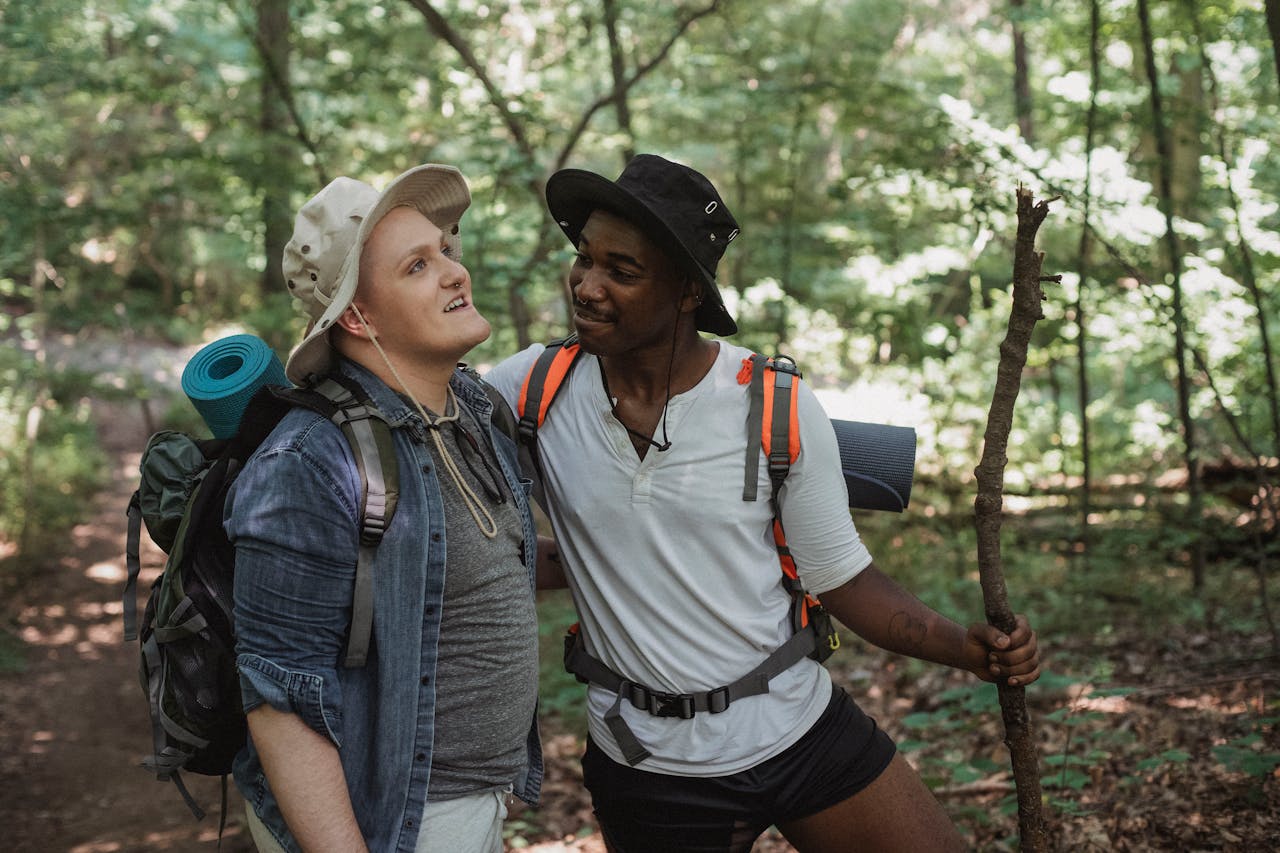
January vs Other Trekking Seasons
January vs Spring and Autumn
Spring and autumn offer warmer temperatures and easier trail conditions—but at the cost of crowds.
January offers space and clarity, but demands better gear and stronger decision-making. Trails are quieter, but mistakes carry more consequence.
January vs Monsoon Season
Compared to monsoon trekking (June–August), January is far more predictable at high altitude. You trade rain and landslides for cold and snow. For experienced trekkers, winter risks are often easier to manage than monsoon hazards.
How Difficult Are Other Treks in January?
Annapurna Circuit in January
The biggest challenge on the Annapurna Circuit Trek in January is crossing Thorong La Pass at 5,416 meters (17,769 feet). Heavy snowfall frequently closes the pass during winter, and even when it is open, trekkers often need crampons, proper winter gear, and strong weather judgment to cross safely.
Lower sections of the Annapurna Circuit remain accessible and offer beautiful winter scenery, but the high pass makes this trek significantly more demanding in January.
Because of cold temperatures, snow conditions, and limited teahouse availability near the pass, the Annapurna Circuit Trek is not considered beginner-friendly during winter and is best suited for experienced trekkers with flexible itineraries or those trekking with an experienced guide.
Langtang Valley in January
Langtang is more manageable. The highest overnight point, Kyanjin Gompa (3,870 m / 12,697 ft), keeps altitude and cold more moderate.
Snow is possible but usually manageable. Teahouses often stay open. It’s one of the best winter options for trekkers wanting a balance of challenge and safety.
Ghorepani Poon Hill in January
This is one of the best January treks for most travelers. The maximum elevation is about 3,210 meters (10,531 feet), which reduces altitude risk.
Snow adds beauty, not danger, and lodges stay open. Sunrise views are often exceptional in winter.
Essential January Trekking Safety Principles
Experienced Himalayan climbers follow the same winter rules that apply to trekkers:
- Start early, finish early
- Eat more than you think you need
- Drink even when you’re not thirsty
- Respect weather windows
- Turn back without hesitation
The UIAA (International Climbing and Mountaineering Federation) and HRA both emphasize that winter success is about judgment, not strength.
Who Should Avoid Trekking in January?
January trekking isn’t ideal if you:
- Have little cold-weather experience
- Don’t want to invest in proper winter gear
- Have a rigid schedule with no buffer days
- Prefer comfort over challenge
Beginners should stick to lower-altitude routes or choose spring or autumn instead.
Conclusion:
January trekking in Nepal is not easy, but it can be deeply rewarding.
You’ll face cold, snow, and slower progress. In return, you’ll experience quieter trails, sharper mountain views, and a deeper sense of connection with the Himalayas.
Like Himalayan climbers, successful winter trekkers don’t rush. They respect altitude, prepare carefully, and accept that turning back is sometimes the smartest move.
If you approach January trekking with the right mindset and preparation, the difficulty becomes manageable—and the experience unforgettable.


Comment (0)