
There’s nothing quite as satisfying as seeing the world and feeling seen ourselves while doing it!
It's a feeling that, in a perfect world, would be experienced wherever our globetrotting adventures take us. Finding authentic inclusion on our travels today, however, can come down to choosing the right destination—especially for queer people of color.
As such, QPOC folks tend to ask more pertinent questions when planning a vacation. As well as whether a place is LGBTQ+-friendly and has legal protections, they might also ask: Does it have racial and ethnic diversity? Are there visible QPOC communities to connect with? Are there cultural events, inclusive venues, and community spaces that go beyond mainstream gay nightlife? QPOC focused apps like Jack'd, can help reach out to locals, and lovers, who might know the answers to these questions, but choosing the right destination in the first place is a good start.
Some places go the extra mile—so to speak—when it comes to inclusion, or have roots in culture that give them even more appeal to QPOC people. Here are our top ten!
Salvador, Brazil
Known as the “Black Rome,” Salvador is one of Brazil’s most powerful cultural capitals for QPOC travelers. Its Afro-Brazilian roots are everywhere: samba-reggae, acarajé (a deliciously sinful street food), the Candomblé region, its huge Carnival, and the colonial streets of Pelourinho. Queer POC visitors can take Afro-Brazilian heritage tours, support Black-owned guides, explore live music, visit Barra beach, and enjoy Rio Vermelho nightlife. Salvador has inequalities, but for diaspora, spirituality, and community-rooted culture, you just can’t beat it!
Bogotá, Colombia
Colombia is one of the most LGBTQ+-friendly places in Latin America, and its capital brings queer visibility, creativity, and big-city Colombian fuego energy together into one accessible package. Chapinero is its best-known LGBTQ+ neighborhood, home to bars, cafés, and the infamously fun Theatron superclub. QPOC travelers can join queer-led tours, explore La Candelaria’s street art, visit museums like the Gold Museum, which holds the largest number of pre-Columbian gold artifacts in the world, dance to Latin beats in Chapinero, and connect with the city’s wider creative communities. In short, it's hard to find a more joyous representation of South American culture than in Bogotá.
Mexico City, Mexico
Mexico City is a giant, gorgeous, chaotic dream of a city for QPOC travelers who want queer nightlife, deep Mexican culture, and endless options for delicious things to eat. The city’s Indigenous, Afro-Mexican, migrant, and international influences also give it real depth beyond the more obvious tourist destinations in Mexico, like Puerto Vallarta. Zona Rosa is the historic LGBTQ+ hub, while Roma, Condesa, Juárez, and Coyoacán offer cafés, galleries, markets, and a mixed queer creative scene. Visitors can explore Coyoacán’s bohemian-meets-colonial history, eat their way through street food markets like La Merced, support queer artists, and time a trip around Pride or the amazing Día de Muertos, or Day of the Dead.
Toronto, Canada
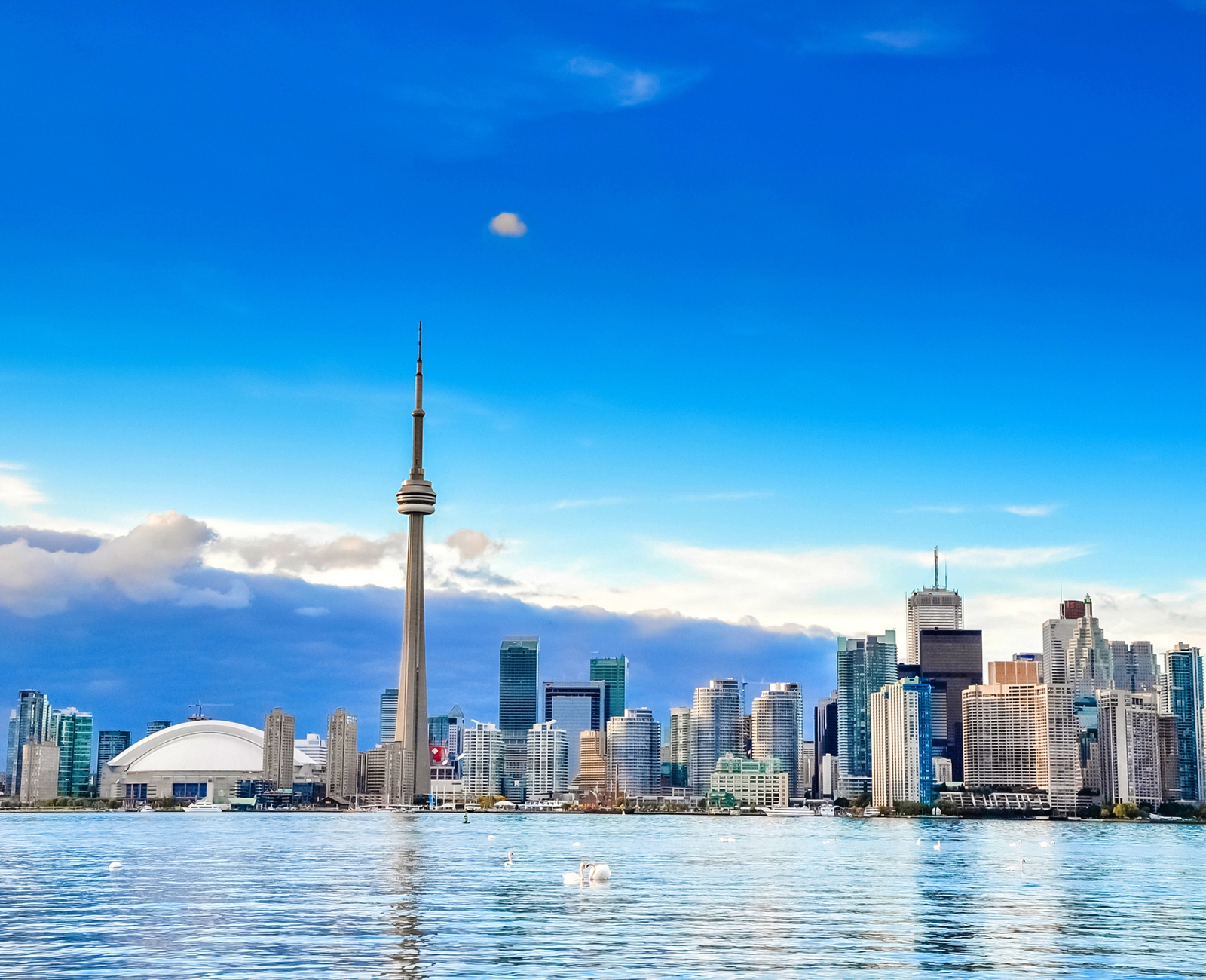
Canadians deserve their reputation for being some of the friendliest folk in the world, and Toronto sure represents! It’s also as queer-loving as you’d expect, inclusive to the QPOC community, and offers multicultural depth. Church-Wellesley Village is the historic LGBTQ+ neighborhood, while Kensington Market, Queen West, Parkdale, and Scarborough show off the city’s diasporic energy. Blockorama, created by Blackness Yes!, has centered African, Black, and Caribbean queer and trans communities since 1999. There’s queer theater, drag, lakefront walks, Caribbean food, and galleries galore to enjoy, and its Pride is always a weekend of no-nonsense fun for all.
Atlanta, USA
When state-hopping, Atlanta is a must-stop for Black queer travelers because few U.S. cities place Black LGBTQ+ culture so visibly at the center. Atlanta Black Pride over Labor Day weekend draws visitors from across the country and beyond. Midtown remains the classic LGBTQ+ hub, while East Atlanta, Edgewood, and Little Five Points offer alternative nightlife, drag, art, and community spaces. QPOC visitors can explore Black-owned restaurants, civil rights landmarks like the Herndon Home Museum, where Atlanta's first Black millionaire lived, actually inclusive queer parties, and be a part of Atlanta’s authentic community energy.
Bangkok, Thailand
Bangkok is one of Asia’s most exciting, accessible, and visibly queer cities. Since Thailand’s marriage equality law came into effect in January 2025, the city has felt even more significant for LGBTQ+ travelers in the region. Silom, especially Soi 2 and Soi 4, is the best-known queer hub, with bars, clubs, drag, and late-night social spaces which tend to have a good representation of locals and tourists. QPOC travelers can really immerse themselves in Thai culture via temples, street food, Thai massage, night markets, art, and inclusive cafés.
Cape Town, South Africa
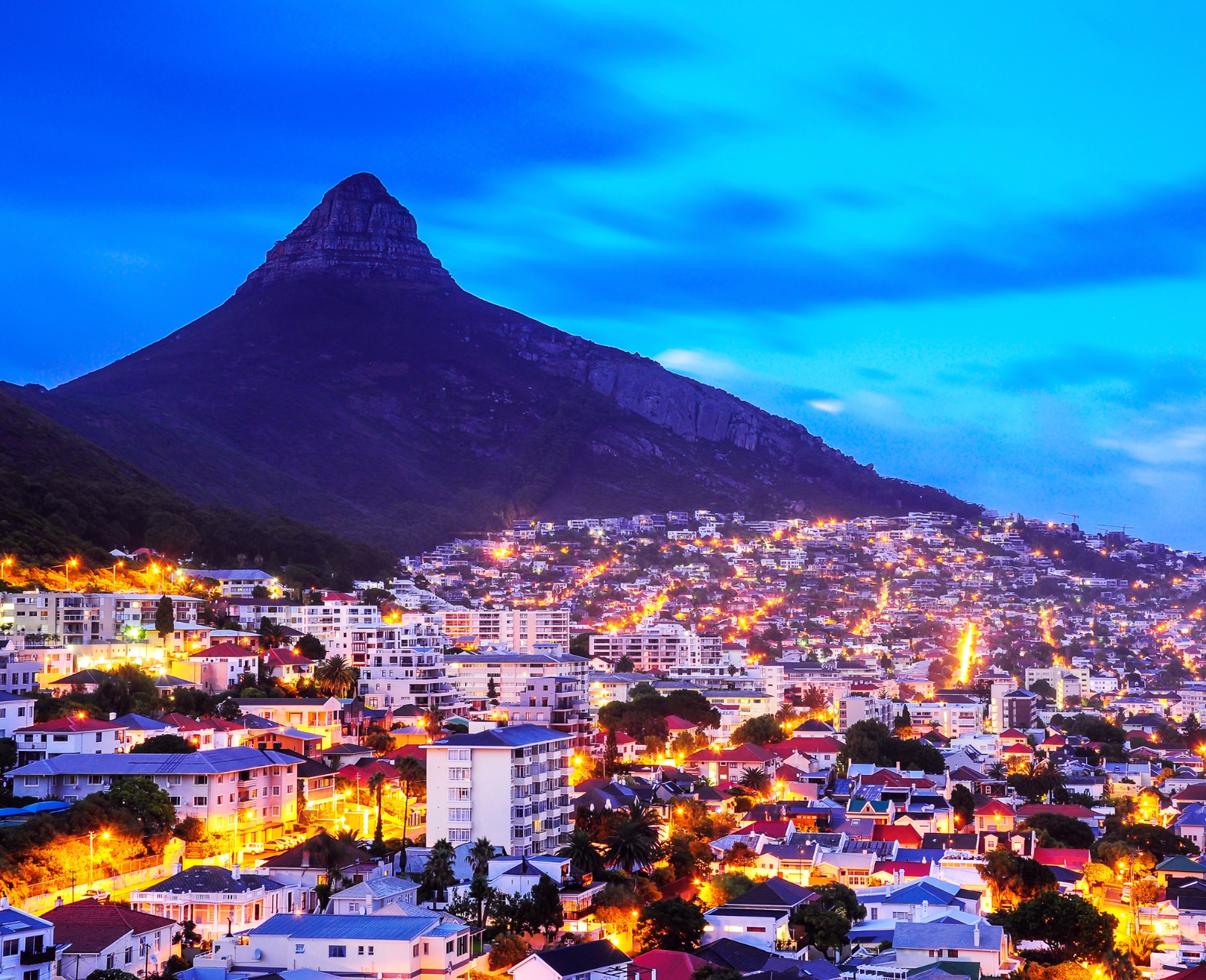
Cape Town is one of Africa’s most visible LGBTQ+ travel destinations, with beauty, complexity, and culture in equal measure. The days of apartheid are long gone, but its legacy is still present, making Cape Town a place to engage with thoughtfully as well as enjoy. South Africa was the first country in Africa to legalize same-sex marriage, and Cape Town’s queer scene is especially strong around De Waterkant, Green Point, and Sea Point. QPOC travelers can explore Bo-Kaap, take a Cape Malay cooking class, visit Robben Island (where Nelson Mandela was incarcerated), hike Table Mountain for the mind-blowing views, enjoy Clifton’s beaches, including a gay nudist beach called Sandy Bay, and learn about apartheid’s legacy at museums like the District Six Museum.
Berlin, Germany
Berlin is gritty, political, sexy, and one of Europe’s most iconic queer cities. Schöneberg has been a gay neighborhood since the 1920s, and the city has come a long way from the violence and persecution of World War II to become a symbol of queer freedom and reinvention. Kreuzberg, Neukölln, and Friedrichshain offer more alternative, international, and QTPOC-friendly energy, with club nights, food scenes, museums, memorials, parks, and migrant-led community spaces. Berlin’s large Turkish community also adds another rich layer to the city’s culture, especially in neighborhoods like Kreuzberg and Neukölln, where visitors can find Turkish food, markets, cafés, and creative spaces woven into everyday city life. The really brave can even try their luck against the mercurial bouncers of clubs like the legendary Berghain, which is actually surprisingly inclusive once you get inside.
Lisbon, Portugal
Portugal’s capital is underrated in general but is warm, scenic, due to being built across seven hills, and balances a softer pace with a nightlife edge. Príncipe Real is the city’s main gay district, while nearby Bairro Alto is packed with bars that release their customers out front for a street party every weekend. For QPOC travelers, Lisbon’s Afro-Portuguese, Brazilian, Cape Verdean, Angolan, and Mozambican influences give it a cultural texture that’s evident all across the city, from its restaurants to its music, markets, galleries, and community spaces. Highlights include its queer nightlife, Cape Verdean and Brazilian food, miradouros (or viewing points), its anachronistic trams, colonial history tours, nearby beaches and Sintra (a dreamy hilltop town known for its colorful palaces, gardens, and storybook scenery).
London, UK
London is huge, expensive, and imperfect, and yet absolutely essential for QPOC travelers. Queer life stretches far beyond Soho into Vauxhall, Dalston, Hackney, Brixton, and South London, where drag, cabaret, ballroom, and Black and brown queer club nights like Queer Bruk thrive. UK Black Pride, founded in 2005, has become a major celebration for LGBTQ+ people of African, Asian, Caribbean, Latin American, and Middle Eastern descent. Then there’s Notting Hill Carnival, one of the world’s great celebrations of Caribbean culture, bringing music, food, dancing, and diasporic pride to the streets every August. Add queer bookshops, Black British history tours, theater, markets, and diasporic food, and London is an easy sell for QPOC folk.
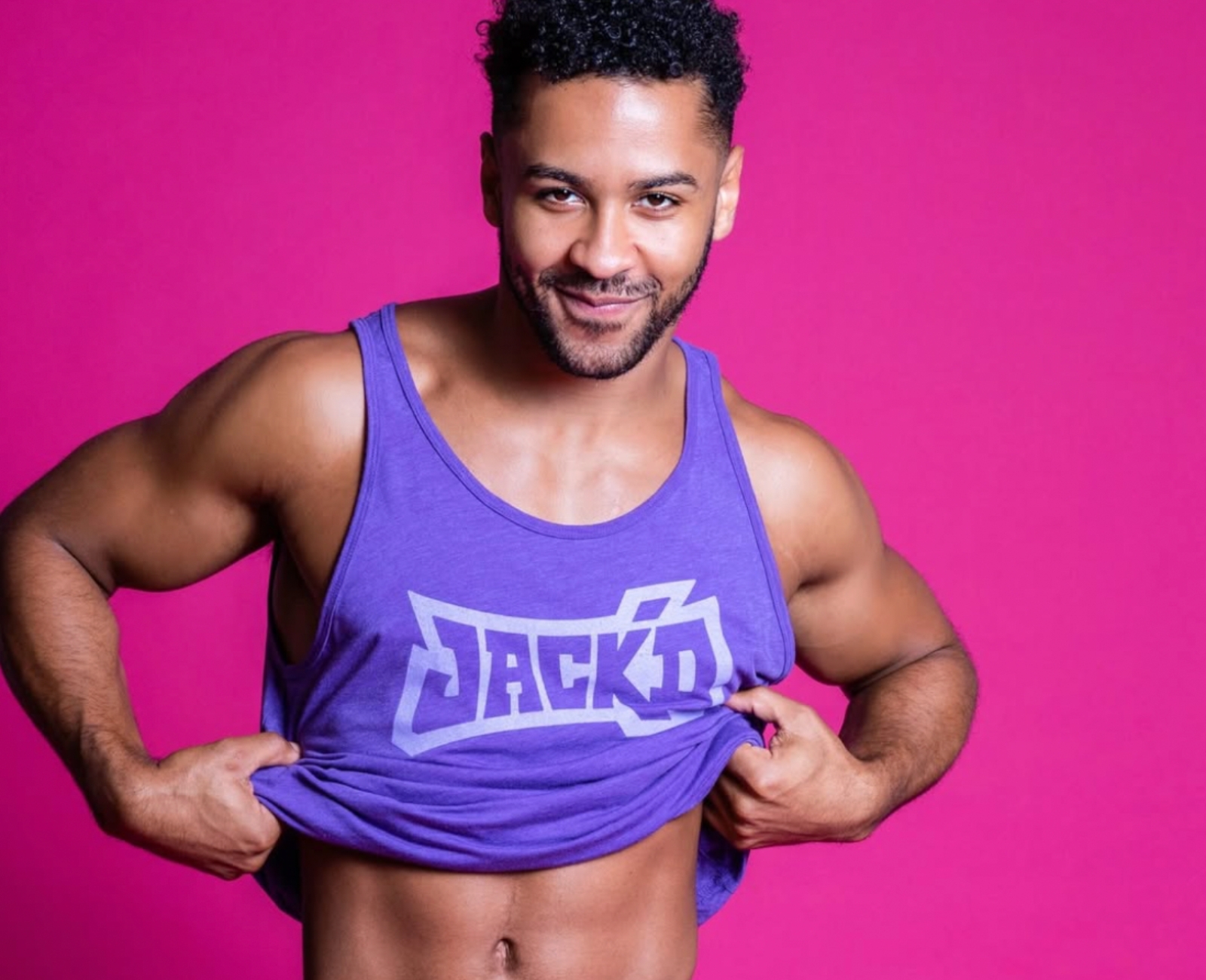
Get Jack'd to Connect with Friends, Lovers, and Community on Your Travels
Sometimes, the best way to begin connecting is before you even arrive—whichever of the above locations you choose. Apps like Jack’d can be especially useful when traveling and looking to meet local communities more intentionally. With more than 15 million people across 2,000 cities and 180 countries, Jack’d is built around QPOC connection, whether you are looking for a friendly local guide, potential friends, love, or all-out lust! Its updated Search in Nearby feature also makes it easier to explore beyond your immediate area, which helps when landing somewhere new and trying to understand where your community is.
Wherever you go, connection changes the trip. A night out, museum day, beach weekend, or Pride celebration can feel completely different with a local recommendation, a new friend or lover, or someone who understands the intersections you are traveling with. Jack’d also has a Moments feature that can help keep that connection going by letting you share short-lived photos or videos with selected audiences for 12, 24, 48, or 72 hours.
So whether you are heading to Cape Town or Lisbon, Atlanta or Salvador, you’ll see and be seen in all the right places—and from all the right angles, of course.
Step up your game with Jack’d Pro to enjoy 30+ advanced features, including unlimited chat history and albums, more profiles on your grid, and an ad-free experience. Use promo code TWOBADTOURISTS to get it free. Go get Jack’d!
This article was sponsored by Jack'd
Comment (0)