
Solo travel can be one of the most rewarding experiences an LGBTQ+ person can have. It offers freedom, self-discovery and the opportunity to explore new places on your own terms. Whether you are spending a month travelling across Europe, working remotely from another country or taking a short city break, travelling alone encourages independence and personal growth.
However, solo travel also comes with emotional challenges. Being away from family, friends and partners for extended periods can sometimes lead to feelings of loneliness. While many people focus on the excitement of visiting new destinations, maintaining meaningful relationships and social connections remains an important part of the journey.
Fortunately, modern technology has made it easier than ever for LGBTQ+ travellers to stay connected with the people they care about while also building new friendships around the world.
Staying Connected with Friends and Family
One of the biggest advantages of modern travel is the ability to remain in contact with loved ones regardless of distance. Video calls, messaging apps and social media platforms allow travellers to share experiences in real time and maintain a sense of closeness, even when they are thousands of miles from home.
Many solo travellers create routines that help them stay connected. A quick morning message, a weekly video call or sharing photographs from a recent adventure can strengthen relationships and reduce feelings of isolation.
For LGBTQ+ travellers, these connections can be particularly valuable. Trusted friends and family members often provide emotional support, reassurance and a sense of belonging when navigating unfamiliar environments. Knowing that someone is only a message away can make solo travel feel less daunting and more enjoyable.
Maintaining Romantic Relationships While Abroad
Travelling solo does not necessarily mean putting a romantic relationship on hold. Many LGBTQ+ couples successfully manage long-distance relationships while one partner travels for work, study or personal exploration.
Communication is often the key to making these relationships work. Regular conversations help couples stay involved in each other's lives and maintain emotional intimacy despite physical distance.
Technology has transformed how people manage long-distance relationships. Video calls, shared playlists, online games and streaming services provide opportunities to spend quality time together even when separated by different time zones. While these interactions cannot fully replace being together in person, they help preserve a sense of connection throughout a trip.
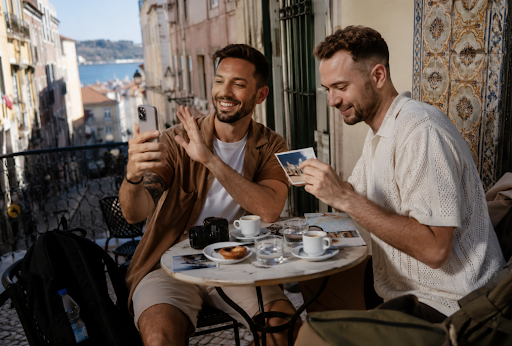
Coping with Loneliness on the Road
Loneliness is one of the most common emotional experiences associated with solo travel. Even in busy cities filled with people, travellers can occasionally feel disconnected or homesick.
It is important to recognise that loneliness is a normal part of the travel experience. Most long-term travellers experience moments when they miss familiar routines, close friendships or the comfort of home.
When these feelings arise, taking small steps to reconnect with others can make a significant difference. Calling a friend, joining a local activity, attending a community event or simply starting a conversation with another traveller can help restore a sense of connection.
Many experienced travellers find that balancing solitude with social interaction creates the most rewarding experience. Time alone encourages reflection and personal growth, while meaningful conversations provide emotional support and companionship.
Building New Friendships While Travelling
One of the greatest benefits of solo travel is the opportunity to meet people from different cultures and backgrounds. Many LGBTQ+ travellers discover that shared experiences often lead to strong and lasting friendships.
Hostels, walking tours, language exchanges and LGBTQ+ friendly venues can all provide opportunities to meet new people. Even brief encounters can develop into meaningful friendships that continue long after a trip has ended.
Being open to new experiences often leads to unexpected connections. Solo travel encourages people to step outside their comfort zones, become more confident in social situations and engage with the world in ways they may not have considered at home.
The Role of Online Communities
Digital communities have become an important resource for LGBTQ+ travellers. Online spaces make it possible to connect with people around the world, exchange travel advice and find support when needed.
Many travellers participate in social groups, travel forums and online communities while on the move. These platforms can provide recommendations, local insights and opportunities to meet people with similar interests.
Some travellers also explore platforms that facilitate real-time conversations through community discussions and male live chats. These spaces allow people from different countries to interact, share experiences and build social connections regardless of their location. Depending on personal interests, platforms such as Lemoncams may form part of a broader online ecosystem that helps some travellers stay socially connected while spending extended periods away from home.
Finding LGBTQ+ Community Abroad
Travelling often provides opportunities to discover LGBTQ+ communities in different parts of the world. Pride celebrations, cultural events, community centres and LGBTQ+ friendly businesses can create welcoming spaces where travellers feel comfortable meeting others.
These experiences can be particularly meaningful for solo travellers. A simple conversation with someone who shares similar experiences can quickly create a sense of belonging in an unfamiliar place.
Exploring LGBTQ+ communities abroad also highlights the diversity of experiences within the community itself. Meeting people from different countries and cultures can broaden perspectives and foster a greater appreciation of global LGBTQ+ identities and experiences.
Balancing Independence and Connection
Successful solo travel is not about avoiding relationships or spending all of your time alone. Instead, it is about finding a healthy balance between independence and connection.
Travellers who maintain strong relationships at home while remaining open to new friendships often enjoy a richer and more fulfilling experience. They benefit from the freedom of travelling alone without sacrificing the emotional support that comes from meaningful human connection.
For LGBTQ+ travellers, staying connected can improve confidence, well-being and overall enjoyment throughout a journey. Whether through conversations with friends, calls with partners, community events or online platforms, connection remains an essential part of the travel experience.
Conclusion
Solo travel offers LGBTQ+ individuals the opportunity to explore the world, gain confidence and experience personal growth. While periods of loneliness can occur, maintaining meaningful relationships can make the experience far more rewarding.
By staying in touch with loved ones, embracing opportunities to meet new people and using digital communities to connect with others around the world, travellers can enjoy the benefits of independence without feeling isolated. The result is a travel experience that combines adventure, self-discovery and genuine human connection, wherever the journey may lead.



Comment (0)