
When Rio shines, she really does show you all she can!
And although Duran Duran probably didn’t literally have the Brazilian city in mind for their hit song of the same name, the description fits. Rio is a contender for the most beautiful city in the world, has year-round sunshine, and unabashedly shows off its best features to any and all who visit her—be it the towering figure of Christ the Redeemer, its jungle-covered mountains, the wild nightlife, or all those beaches filled with muscled hunks like Ipanema and the glamorous Copacabana (another song no doubt living rent-free in your head).
Rio takes your breath away the first time you see her, and she’ll never cease to amaze and surprise you from that point onwards. It’s also as gay as gay can be, with an outrageously fun gay nightlife scene centered around its beach culture. Brazil in general has advanced LGBTQ+ rights, with legal same-sex marriage and protection against discrimination, with Rio being the epicenter of the country’s LGBTQ+ population along with São Paulo.
The city is huge, though, and it helps to have a guide pointing you in the right direction—so here’s yours to navigating your way around “The Heart of Brazil.” And if you are lucky enough to hit the city during its phenomenal Rio Carnival celebrations (incidentally the gayest not-officially-gay festival you could ever attend), you'll without doubt find yourself dancing on the sand. Just as Duran Duran intended.

Contents
1. General Tips
2. Transportation and Airport Transfer
3. Gay Hotels in Rio
4. Sightseeing and Activities in Rio
5. Rio Gay Tours
6. Restaurants and Cafes
7. Rio Gay Bars and Clubs
8. Rio Gay Saunas & Cruising Bars
9. Gay Beaches near Rio
10. Gay Events in Rio
11. Day Trips from Rio
General Tips
Is Rio de Janeiro safe? That’s the question that comes up most commonly about Rio. After all, horror stories of thefts, muggings, and drink spiking abound on the internet. The truth is it's in fact a lot safer than you’d be led to believe, but you still do need to take precautions. Stick to areas like Copacabana and Ipanema, avoid displaying valuables, and use registered transport at night. Petty crimes like phone snatching can occur, but violent incidents are uncommon in tourist zones. Staying alert and planning the route between your activities is fundamental.
Also avoid going to the favelas (the infamous, densely populated urban neighborhoods of Brazil) without a guide, and if booking an Airbnb or hotel (especially in Zona Sul), check they are not inside one. The favela situation is complicated to say the least. While visiting them with a guide is an enriching cultural experience and helps support businesses there, they are also undeniably the more dangerous parts of the city due to level of poverty within them.
As for the LGBTQ+ scene, in Rio de Janeiro it's vibrant, visible, and deeply woven into the city’s culture—from relaxed beach hangouts in Ipanema to high-energy clubs, drag shows, and pop-up street parties for those in the know. While Rio is generally welcoming, it’s still a big city, so homophobia does exist like anywhere else. You are highly unlikely to run into any problems around the main beaches, though.
As for where to stay, Ipanema is the obvious choice, being right in the gay action but a little on the pricey side. Flamengo is another good choice and puts you snugly between nightlife and the beach. Whereas Santa Teresa is a little further out, but has its own distinct personality and hilltop views. Try not to stay too far out of the center, though, because traffic in Rio is…really something. Note that the currency in Brazil is the Brazilian Real. Be sure to change your money before traveling as the exchange rate is expensive in airports and tourist areas.
The best time to visit really depends on what you’re after. For peak energy, plan your trip around Rio Carnival (February or March), when the city transforms for an entire month and hosts the wildest parties and flamboyant parades that make Pride look like a kid’s birthday party. December to March is the high season for the hottest weather and most lively beach culture. If you prefer something a bit more low-key, the months from May to October offer warm weather, fewer crowds, and a more laid-back vibe.
Transportation & Airport Transfer
Getting into the city from Rio de Janeiro–Galeão International Airport is fairly straightforward, with a few options depending on your budget and comfort level. The easiest (and safest) choice is to use Uber, which is widely available and relatively affordable—especially if you’re heading to popular areas like Copacabana or Ipanema. Local taxis tend to be more expensive and potentially not safe. There are also airport shuttle buses, but they can be slower and less convenient if you’re carrying luggage.
Once in the city, Rio’s public transportation system includes the metro, buses, and trams. Buses are cheap but can be confusing for first-time visitors. The metro, however, is clean, reliable, cheap, and the best option for getting between the main tourist neighborhoods. The average price is R$7.90 per trip. For tourists, purchasing a Giro card (MetrôRio's specific card) or simply using a contactless payment method at the turnstile is the most efficient method. Be aware it does close before midnight, though, so for nights out that go past that point, switch to Uber.
Gay Hotels in Rio
Luxury
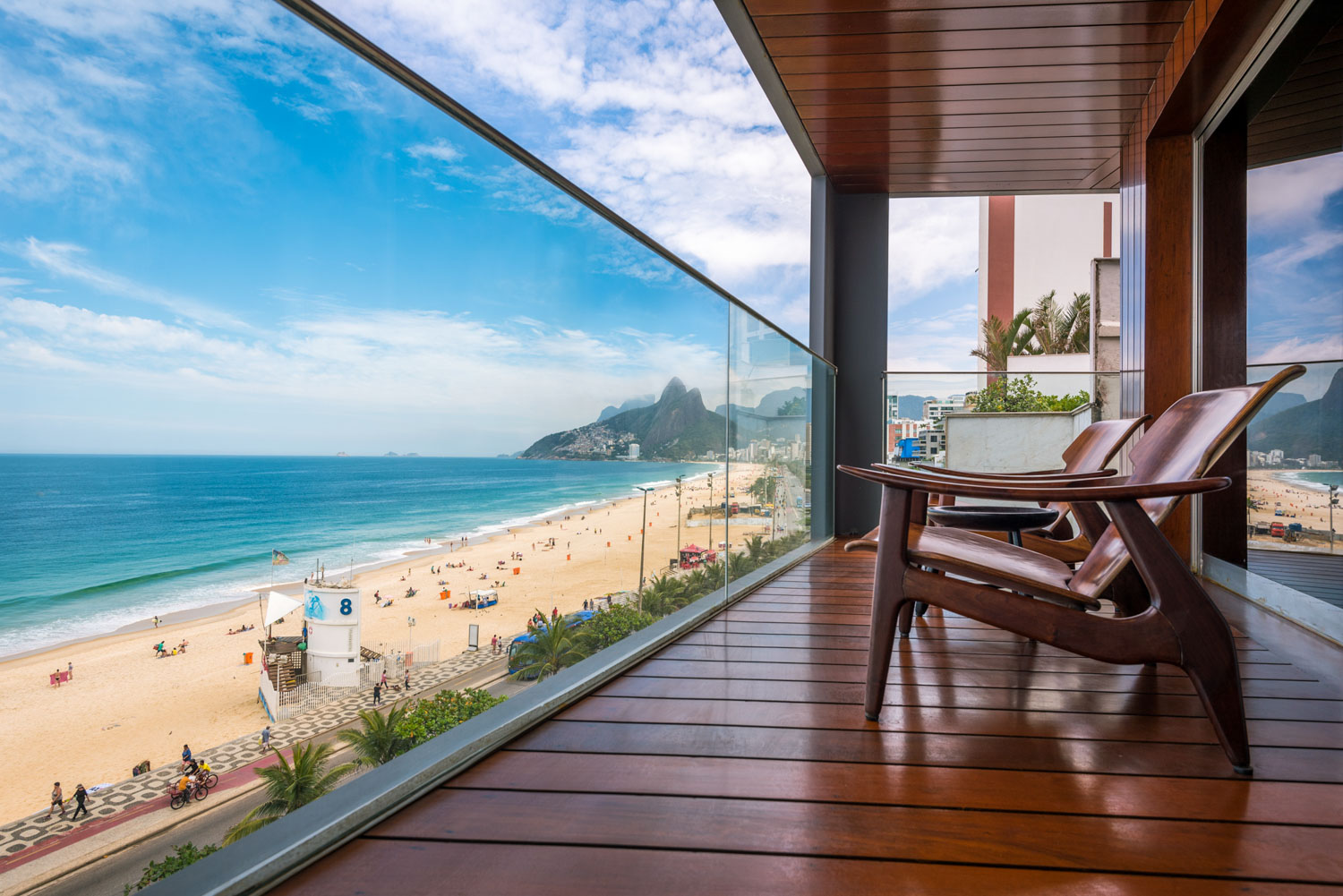
Hotel Fasano Rio de Janeiro – If you have the cash to splash this is one of Rio’s most stylish luxury stays, with a sleek, understated vibe inspired by 1950s and 60s Bossa Nova glamour. It sits directly on Ipanema Beach, steps from the gay section and nightlife around Rua Farme de Amoedo. The standout feature is the rooftop infinity pool, widely considered one of the best in the city, with sweeping views over the beach and surrounding mountains. There’s also a full spa, gym, and a renowned Italian restaurant, plus a buzzy rooftop bar scene. Rooms are chic and minimalist, often with floor-to-ceiling glass and ocean views. It is also firmly LGBTQ+ friendly through its proximity to Rio’s gay scene, its Travel Proud certification, and popularity with LGBTQ+ travelers seeking a social, design-led luxury base.
Mid-Range
Mar Ipanema Hotel – A smart, well-priced base in the heart of Ipanema, just a short walk from the beach and close to the gay scene around Rua Farme de Amoedo. The vibe is relaxed and contemporary, with comfortable rooms, a small gym, and an easygoing restaurant and bar. It is not ultra-luxury, but its excellent location, friendly service, and LGBTQ+ welcoming make it a solid choice if you want to stay in the heart of everything without overspending.
Sol Ipanema Hotel – Another Travel Proud hotel located right on the beachfront, this hotel places you directly in Rio’s main gay area, near Posto 9 and Rua Farme de Amoedo. The rooftop pool with ocean views is a standout, perfect for pre-drinks before heading out. It’s stylish without being over-the-top, with simple, bright, and comfortable rooms, with many offering ocean views.
Budget
El Misti Hostel Ipanema – A favorite among younger LGBTQ+ travelers, this social budget-friendly hostel puts you right in the heart of Ipanema, just steps from the beach and gay nightlife.The vibe is young, casual, and international, with dorms and private rooms, shared spaces, and a bar that makes it easy to meet other travelers. Expect a friendly, inclusive vibe with organized events, shared spaces, and an easy way to meet fellow travelers.
Che Lagarto Hostel Ipanema – Care more about location than luxury? Then this lively, budget-friendly stay in one of Rio’s best locations, just a short walk from Ipanema Beach and close to the gay scene around Rua Farme de Amoedo, is for you. The atmosphere is social and backpacker-focused, with dorms, private rooms, shared spaces, and helpful staff.

Sightseeing & Activities in Rio
Christ the Redeemer – High above Rio on Corcovado Mountain, Christ the Redeemer opens his arms over a city of beaches, jungle, favelas, towers, and sea. The ride up through Tijuca Forest is part of the experience, with the reward being sweeping views over Ipanema, Copacabana, Sugarloaf, Guanabara Bay, and the mountains beyond. The view will truly blow your mind and there’s nothing in the world that comes close. It is as crowded as you’d expect, but you can’t go to Rio and not go to its most iconic landmark. Go early or late in the day for softer light and fewer crowds. Book Tour →
Floresta da Tijuca – As well as Christ the Redeemer, it’s worth delving deeper into the jungle that surrounds it — one of the biggest urban jungles in the world, wrapping around the city’s mountains. Expect lush jungle, winding roads, waterfalls, monkeys, tropical birds, and hidden viewpoints that make Rio feel even more surreal. It’s wild, green, and surprisingly peaceful considering how close it is to the beaches and city streets. Go with a guide if you want to see more of the forest without worrying about logistics. Book Tour →
Sugarloaf Mountain Cable Car – The second-best view of Rio is found at the top of Sugarloaf Mountain — some people would say the first, since you can also see Christ the Redeemer from there. Even getting there is a mind-blowing experience due to the cable car ride up the mountain, which glides up in two stages: first to Morro da Urca and then on to Sugarloaf itself, with the city slowly opening up beneath you as beaches, boats, mountains, and skyscrapers come into view. From the top, the views stretch across Copacabana, Christ the Redeemer, Botafogo Bay, Niterói, and the deep blue Atlantic. It’s dramatic, beautiful, and actually unforgettable. Go around sunset if you can, for obvious reasons. Book Tour →
Copacabana – You can’t help but fall in love with the hottest spot North of Havana, the Copa…Copacabana. But Barry Manilow lyrics aside, no trip to Rio is complete without a trip to Rio’s most famous beach, with its sweeping bay, black-and-white wave-pattern promenade, and old-school glamour. Sure, it's busier, more touristy and less gay than Ipanema, but nothing epitomizes the soul of Rio more than the Copacabana. The beachfront is lined with kiosks, hotels, bars, and restaurants, making it easy to wander, stop for a drink, and just take in the legendary location.
Ipanema Beach, Posto 9 – For the full Brazilian gay beach experience, though, head to Ipanema Beach at Posto 9 around Rua Farme de Amoedo. Here be all the attractive bronzed locals, beach vendors, caipirinhas, and music you'd hope for and it is the very heartbeat of the gay social scene from sunrise to sunset.
Jardim Botânico – For a calmer, more elegant side of Rio, head to Jardim Botânico, the city’s beautiful botanical garden at the foot of the mountains. Expect towering imperial palms, tropical plants, orchids, fountains, monkeys, birds, and peaceful pathways that feel a world away from the beaches and traffic. It’s lush, historic, and surprisingly romantic, with Christ the Redeemer watching from above in the distance. Go in the morning if you can, when it’s cooler, quieter, and the light filtering through the trees is especially beautiful. It is close to Lagoa and works well before lunch in Gávea, Leblon, or Ipanema. Book Tour →
Museu do Amanhã (Museum of Tomorrow) – This visually striking museum on the waterfront at Praça Mauá looks like it belongs in Star Wars. Expect bold architecture, interactive exhibits, big questions about the planet, humanity, technology, and the future, plus beautiful views over Guanabara Bay. Go during the day and leave time to wander around the revitalized port area afterward, including nearby Boulevard Olímpico. Book Tour →
Favela Tours – A controversial choice but worthwhile none the less. For a more complex and local side of Rio, consider a guided favela tour, usually in neighborhoods like Rocinha or Vidigal. A good tour can offer insight into daily life, community projects, local businesses, street art, viewpoints, and the social contrasts that shape the city. It can be fascinating, eye-opening, and very different from the postcard version of Rio, but it’s important to choose an ethical, community-based guide who lives there or works directly with local residents. Go with respect, avoid treating it like poverty tourism, and don’t take photos of people unless you’re clearly told it’s okay. Book Tour →
Hang Gliding from Pedra Bonita – The biggest adrenaline rushes in Rio is found by hang gliding from Pedra Bonita, high above São Conrado. After a short briefing, you launch from the mountain and glide over Tijuca Forest, the coastline, Pedra da Gávea, and the Atlantic before landing on the beach far below. It’s terrifying for about three seconds, then completely magical… like so much in life. Book Experience →
Praça XV and Downtown Rio – For a deeper look at Rio’s history, spend some time around Praça XV and the old downtown. This is where colonial Rio, imperial Brazil, churches, palaces, ferries, office towers, and everyday city life all overlap. Expect historic buildings, grand squares, busy streets, cafés, museums, and a very different energy from the beaches. It’s atmospheric, slightly chaotic, and full of stories, with landmarks like Paço Imperial, Candelária, and the waterfront all nearby. Book Tour →
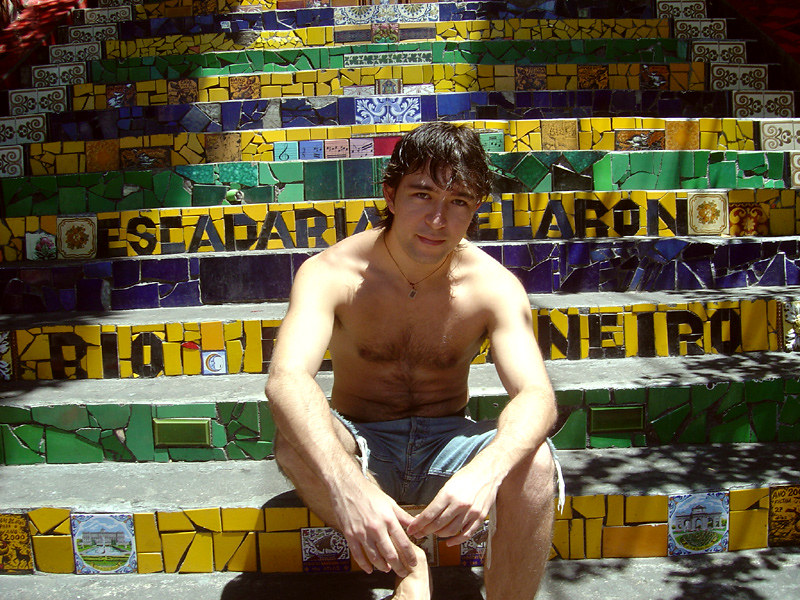
Lapa (Aqueduct and Selarón Steps) – Lapa is Rio's cool, bohemian neighborhood, home to the famous Arcos da Lapa aqueduct and the Selarón Steps. The aqueduct, with its tall white arches, is one of the city’s most recognizable colonial landmarks and now carries the tram up to Santa Teresa. Nearby, the Selarón Steps are covered in thousands of bright tiles from Brazil and around the world, created by Chilean artist Jorge Selarón as a constantly evolving tribute to Rio. Expect colonial architecture, bold street art, tiled stairways, old bars, music venues, and a grittier feel world0s apart from the garish beach culture of Copacabana. Book Tour →
Rodrigo de Freitas Lagoon – Usually just called Lagoa, this wide saltwater lagoon is tucked between Ipanema, Leblon, Jardim Botânico, and the mountains. It’s also one of the most underrated places in the city, with beautiful views of Christ the Redeemer reflected in the water. The path around the lagoon is beautiful and it make for a peaceful, local place to slow things down between sightseeing. Or to nurse a hangover!
Rio Gay Tours
Rio de Janeiro: LGBTQ+ Nightlife Tour with Local Guide – Not sure where to even start with Rio’s gay scene or worried about navigating it safely? This tour is a great springboard for you, which visits popular LGBTQ+-friendly bars and nightlife areas loved by locals, offering great music, social energy, and the chance to meet people from around the world. Along the way, you’ll learn about the history and evolution of Rio’s LGBTQ+ community while discovering authentic spots with the know-how you can only get from a local guide. Book Tour →
Rio Gay Tours: Christ Redeemer and Santa Teresa Artistry Area – The most authentic private gay tour in Rio that has been operating in Brazil since 2007 . Guests explore Rio with a local guide (who seems more like a good friend) that shares a unique LGBTQ+ perspective on the city. The tour includes pickup, Christ the Redeemer with time-saving access, great photo opportunities, and visits to Santa Teresa, the Selarón Steps, Lapa, and Cinelândia, Book Tour →
Restaurants and Cafes
Casa da Feijoada – Just a short walk from Ipanema’s gay beach area around Rua Farme de Amoedo, Casa da Feijoada is one of the best places to try authentic Rio comfort food. The star is feijoada, Brazil’s iconic black bean stew served with pork, rice, collard greens, farofa, orange slices, and spicy sauce. You can also try classic sides and Brazilian flavors like dried beef with pumpkin, caipirinhas, and homemade desserts. The meat with cheese sauce is perfect for cheese lovers. Casa da Feijoada is relaxed, traditional, and ideal for anyone wanting a proper local meal after a hard day's men watching on the beach.
Gula Gula Gávea – Close to Jardim Botânico and Lagoa, Gula Gula Gávea is a relaxed Rio classic for a casual lunch or dinner with plenty of local flavor. The menu mixes Brazilian comfort food with lighter, modern dishes, so expect options like bife à milanesa with rice, grilled meats, fresh salads, seafood, and classic desserts like pudim de leite. It’s easygoing, reliable, and a good choice when you want something authentically Carioca without it feeling too heavy or formal.
Confeitaria Colombo – In the heart of Downtown Rio, Confeitaria Colombo is one of the city’s most historic and beautiful places to eat. Founded in 1894, it is famous for its grand Belle Époque interiors, mirrored walls, stained glass, and old-world atmosphere. Come for coffee, pastries, cakes, pão de queijo, savory snacks, or a classic afternoon tea, and stay for the feeling of stepping back into Rio’s golden age.
Satyricon – In the heart of Ipanema, Satyricon is one of Rio’s classic upscale seafood restaurants, known for fresh fish, crustaceans, Mediterranean flavors, and a polished but relaxed atmosphere. Expect dishes like line-caught fish, lobster, shrimp, oysters, carpaccio, seafood pasta, risotto, and excellent wines. It’s elegant, expensive, and ideal when you want a special/romantic dinner close to the beach rather than a casual post-swim meal. Book ahead if you can, especially for dinner.
NOSSO – In the heart of Ipanema, NOSSO is a stylish restaurant and bar that feels modern, lively, and very Rio. The menu mixes Brazilian ingredients with global influences, so expect creative dishes like fresh ceviche, wagyu steak tartare, pork gyoza, glazed octopus, and rich comfort plates such as Korean-style short rib lasagna. It’s also known for excellent cocktails, including Amazon-inspired drinks with flavors like jambu, tucupi, cupuaçu, and cachaça. NOSSO is a good place to line your stomach before a night out.
Naturalie Bistrô – In Botafogo, Naturalie Bistrô is one of Rio’s best spots for vegetarian and vegan food that still feels generous, colorful, and full of Brazilian flavor. The menu changes with local and organic ingredients, but favorites include banana moqueca, Indian-style chickpea and sweet potato stew, hearty salads, fresh juices, and homemade desserts.

Rio Gay Bars and Clubs
Boate La Cueva – “The Cave” is aptly one of the oldest gay bars in Rio and even more appropriately is the drinking hole of choice for bears. Known for its cave-like interior, it was founded all the way back in 1964 It mixes Brazilian and electronic music, and despite being mostly popular with an older crowd, everyone is welcome.
Pink Flamingo – As camp as it sounds, this bar is all about no non-sense fun—think drag shows, karaoke nights, and themed parties. The atmosphere is inclusive and welcoming, attracting a diverse crowd of locals and travelers. It’s a great place to start your night or just enjoy some campy entertainment.
Black Cat – This lively gay bar has serious Rio beachside vibes. So, stylish and easygoing, but infused with Brazilian party spirit. Close to Copacabana Beach, you can expect a cool (not to mention hot) crowd and a dance floor pumping out pop, funk, and house music.
Turma OK – An oldie but a goldie Turma Ok is a long-running LGBTQ+ venue known for drag shows, live entertainment, comedy, and a more traditional Rio queer crowd. It's authentic and old-school. Oh, and they have a great drag bingo night!
Mansao L&D – This fun and friendly bar has everything a gay bar should: good music, two packed dance floors, drag shows, and a sneaky darkroom. It is most famous, however, for its Macho Man sex party—which is as raunchy as it sounds.
Tau Bar Club – This cozy Copacabana bar-club brings a younger, beachside crowd just a block from the sand. It’s not officially gay, but it might as well be, given the number of men who go there. Latin nights are what it does best, so expect strong caipirinhas, Latin music ranging from pop to reggaeton, dancing, and themed parties that turn the small space into a sweaty little scene—which is exactly part of its charm.
Silêncio Ipanema – A supremely popular LGBTQ+ cocktail bar in Ipanema that the beach gays often retreat to as the sun sets. Expect a younger, flirty crowd, good cocktails, DJs, drag shows, and a lot of Brazilian energy.
Rio Gay Saunas & Cruising Bars
Rio G Spa – Ipanema’s best-known gay sauna, moments from the gay beach at Rua Teixeira de Melo 16, near General Osório metro. Spread over three floors, it offers steam and dry saunas, private cabins, bar, massage and treatment rooms, cinema/video spaces, dark room and gym. Clean, central and tourist-friendly, with English-speaking staff, you can’t really go wrong here. But you can certainly go very right!
Taurus Bar – One of the more intense cruising venues in Rio, Taurus is a multi-level space at Rua da Lapa 8 with a bar, dance floor, outdoor area, dark room, video rooms, mazes, cabins and plenty of play spaces. They also host a lot of (let’s just say) “interactive” shows, guest porn star performers and sexy themed nights.
Club 117 – A classic gay sauna in Glória, at Rua Cândido Mendes 117, handy for Lapa, Centro, and Flamengo. The venue packs in dry and steam saunas, a TV lounge, American bar, smoking area, dark room, maze, private cabins, party room, and massage options. Big by Rio standards, it’s known for a lively, masculine crowd and themed nights. Bear in mind there are also a lot of working boys at this sauna, too – so be sure you know the situation when hooking up here.
Seven Cruising Bar – A discreet men-only cruising bar in Centro, upstairs at Praça da República 141. Inside, expect a compact bar setup with lockers, cabins, dark corridors, a small balcony, and play spaces built for all out cruising rather than dancing. Open daily, it draws a mostly local, younger-to-middle-aged crowd, with a direct, shirtless, no-frills vibe that makes it feel more authentic than touristy.
Sauna Chupps Club – This hybrid between a club and sauna in Lapa is known for its laid-back crowd and themed nights. It’s open late and often draws partygoers straight from nearby bars. Facilities include dry and steam saunas, a bar, dark room, glory hole, cinema/video area, private cabins, showers, towel and flip-flop service, and late-night party spaces. It stands out for mixing sauna cruising with a clubby vibe, hosting occasional events and drag shows.

Gay Beaches near Rio
Ipanema Beach (Posto 9 & Farme de Amoedo) – The main gay beach is, shockingly, right in the main gay area, set between lifeguard posts 8 and 9, near Rua Farme de Amoedo. In fact, the whole gay scene is pretty much centered around this beach. Put yourself into the action, get yourself a cocktail, and enjoy an eyeful of the infamously hot “Barbie boys”—their nickname, not ours—who hang out there every day.
Bolsa Gay Beach (Copacabana, Posto 5–6) – Set in front of the Belmond Copacabana Palace, this stretch of beach is a more relaxed alternative to Ipanema. The crowd is mixed but noticeably LGBTQ+, with a slightly older scene and a visible trans presence. It is less packed, less posey, and better for an easy beach day. Fun fact: Copacabana’s famous black-and-white wave promenade was inspired by Portuguese paving designs and has become one of Rio’s most iconic backdrops.
Praia do Abricó (Nudist Beach, Grumari) – About an hour’s drive from central Rio, Abricó is the city’s official naturist beach, tucked beside wild and beautiful Grumari. The crowd is mixed, open-minded, and LGBTQ+-friendly, with a respectful vibe and killer views out toward the offshore islands. It is Rio, but with the volume turned down. That said, you could probably find some discreet cruising action if you search hard enough.

Gay Events in Rio
Rio Carnival – The biggest party on the planet is also one of the gayest. I mean, besides the huge flamboyant parades, street blocos, beach events, pool parties, and legendary all-night celebrations, there are also a lot of gay parties that happen over the entire month of Carnival in February and March. Big gay parties and circuit-style events, such as CarnaPride, Pervert Party Rio, and other Carnival-season events, bring international DJs, performers, and high-production dance floors to packed venues across the city. By day, also expect beach and pool gatherings, where the trick is finding out where the best ones are being held each year. Dates: February 5-13, 2027.
Rio Gay Pride (Parada do Orgulho LGBTI+) – Rio’s second biggest annual party turns Copacabana Beach up yet another notch on the gay dial with a huge parade and party along Avenida Atlântica on Copacabana Beach. More than just a party, it is also a powerful visibility march, rooted in Rio’s LGBTQ+ activism: the city’s first Pride march took place in 1995, drawing around 3,000 people and featuring a 124-meter rainbow flag. Pride Week adds even more, with club nights, circuit parties, concerts, art exhibitions, film screenings, workshops, and community debates across the city. Dates: November 22, 2026.
New Year’s Eve (Réveillon) – Réveillon in Copacabana is Rio’s New Year celebration, where millions show up to the beach dressed in white, armed with champagne for a night of fireworks, live music, drone shows, and sunrise celebrations. It is not officially LGBTQ+, but the crowd is hugely queer-friendly, with gay travelers gathering along the beachfront before heading to after-parties, the best of which are events such as Revolution Beach Club by TNW – The New World, Guapo pool parties at Faro Beach Club, and other Carnival-style circuit parties. Dates: December 31, 2026.
Woof Week Rio Bear Festival – South America’s official Bear Week, celebrating bears, beefy men, wolves, daddies, and the guys who love them. Held over several days in Rio, the festival mixes beach meetups, pool parties, boat parties, sauna days, city tours, drag shows, circuit nights, and the Mr. Woof Bear Contest. It is a more masculine, body-positive alternative to Rio’s glossy gay party scene, with a friendly crowd of locals, Brazilians, and international visitors. Dates: 2027 dates to be announced (around March).
JOY Galáctica Rio – One of Rio’s big gay circuit parties, bringing a futuristic, space-themed edition of JOY Party Brasil to the city. Expect late-night tribal and circuit house, international and Brazilian DJs, dancers, live shows, immersive LED visuals, heavy sound, and a polished production that feels more festival than club night. Recent editions have taken place at major venues such as D-Edge Rio in Porto Maravilha. Dates: Dates to be announced.

Day Trips from Rio
Ilha Grande – Just a few hours from Rio de Janeiro, Ilha Grande is a tropical escape a dreamy island escape from Rio. It’s perfect for a day of hiking, swimming, or simply unplugging. Reached by road transfer to Angra dos Reis or Conceição de Jacareí, then boat, it offers jungle trails, turquoise water, car-free villages, and beaches such as Lopes Mendes, often ranked among Brazil’s best. Book Tour →
Búzios – Often compared to the French Riviera, Búzios offers a chic beach-town feel with crystal-clear water and a lively dining scene. . About three hours from the city, this former fishing village mixes boutique hotels, stylish restaurants, nightlife, and more than 20 beaches, from lively Geribá to scenic João Fernandes. Book Tour →
Petrópolis – For a cooler, more cultural escape, head into the mountains to Petrópolis. Known as the Imperial City, it’s filled with historic architecture, museums, and a slower pace of life. About 90 minutes from the city, it offers grand 19th-century architecture, the Imperial Museum, Crystal Palace, leafy streets, breweries, and a noticeably fresher climate. Book Tour →
Featured image by Evandro Kluge from Pexels
Note: Some of these links are affiliates which means using them won’t cost you any extra but we do receive a small commission for each referral. You’re not obligated to use them but we appreciate it if you do. Thanks in advance for supporting this site if you choose to use our link!



Comment (0)