
Every queer traveler knows the feeling. You walk into a bar, scan the room, and within seconds you know whether you belong there or not. It is rarely one thing. It is the couple slow-dancing without a second thought, the bartender who reads the table before you even order, the music that feels like it was picked by someone who actually gets it. A rainbow flag above the door is a start, but the best LGBTQ+-friendly bars around the world go much deeper than signage. Here is what actually makes the difference.
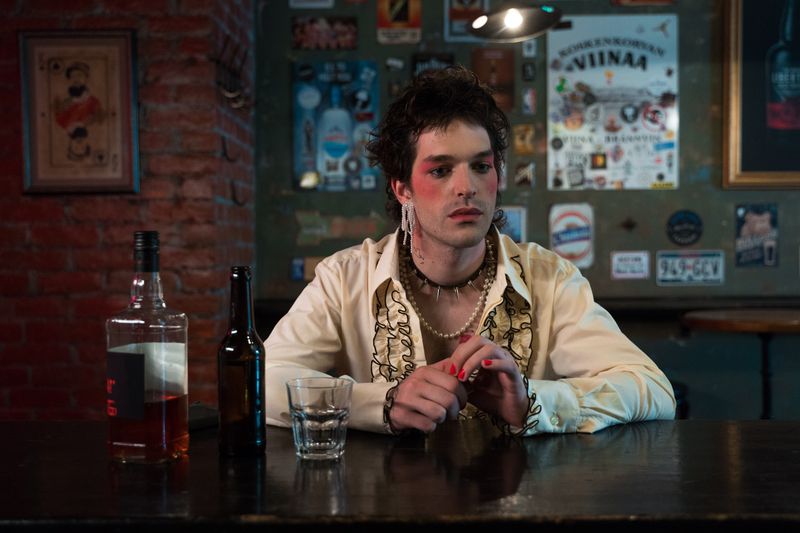
The Crowd Tells You Everything Before the First Drink
The first signal is always who is already there. Walk into a bar in Madrid's Chueca neighborhood, Berlin's Schöneberg, or West Hollywood and the mix of people is the welcome. You do not need to wonder. Queer travelers are instinctively good at reading a room, and the best bars understand this. They do not just market to the LGBTQ+ community; they actively cultivate a space where that community genuinely wants to spend time.
This does not happen by accident. It is the result of years of intentional hospitality: staff who reflect the community, nights and events that draw a loyal crowd, and a general energy that signals to newcomers that they are not an anomaly here. When a bar gets this right, word travels fast. Queer travelers talk, and a place that consistently delivers on that unspoken promise of safety and belonging earns a reputation that no marketing budget can buy.
Staff Attitude: Warmth That Does Not Feel Performative
There is a meaningful difference between a bar that tolerates queer guests and one that genuinely celebrates them, and it shows up most clearly in how staff behave.
In cities like Amsterdam and Montreal, where hospitality culture runs deep and LGBTQ+ inclusion is genuinely embedded in daily life, you notice it in the small things. The bartender who uses inclusive language without being prompted. The host who does not bat an eye when your group walks in looking the way you look. The staff member who steps in without hesitation when something feels off, because they have been trained to and because they actually care.
This kind of ease cannot be faked, and travelers notice immediately when it is absent. Training staff on inclusive language and pronoun etiquette is a baseline. The best bars go further, hiring from within the community and building a workplace culture that extends naturally to every guest who walks through the door.
Atmosphere: The Vibe Is a Statement
Lighting, decor, and music all signal who a space is built for. The best LGBTQ+-friendly bars understand that atmosphere is not decoration; it is communication.
A poorly lit room with the wrong playlist can make a space feel unwelcoming even if nothing overtly exclusionary happens. Conversely, a bar that gets the sensory environment right creates a feeling that is hard to articulate but impossible to miss. The music is one of the most powerful tools a bar has. It sets the emotional temperature of the room from the moment a guest walks in, shapes the energy as the night progresses, and tells the crowd exactly what kind of space this is.
This is something the best bars invest in deliberately. The right background music for bars does not just fill silence; it builds identity. For queer-friendly spaces, that means a soundtrack that reflects the community: artists the crowd loves, energy that shifts from early evening warmth to late-night electricity. It is the kind of detail that regulars notice and that keeps them coming back.
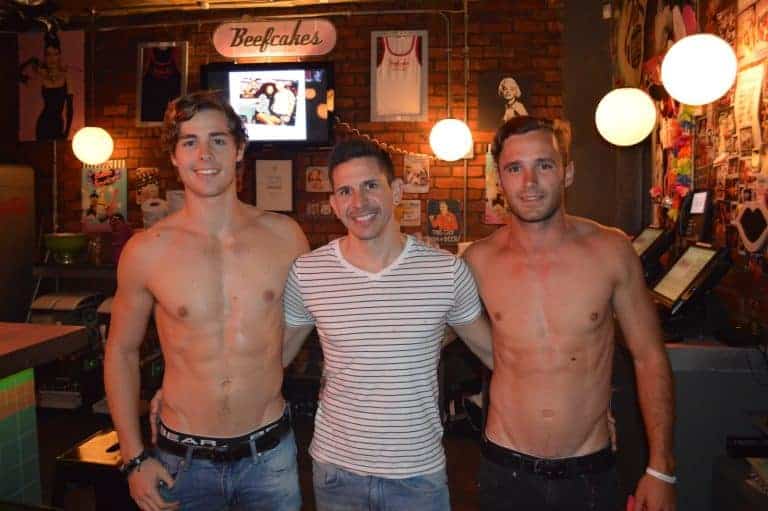
Location Within the City and Why It Is Changing
For a long time, the safest bet for a welcoming night out was to stay within the established gay village. Chueca in Madrid, Le Marais in Paris, Canal Street in Manchester. These neighborhoods built their reputations precisely because they offered a guaranteed level of safety and belonging.
But something has shifted. In many of the world's most progressive cities, the best LGBTQ+-friendly bars are no longer concentrated in one neighborhood. Silver Lake over WeHo in Los Angeles. Dalston over Soho in London. Prenzlauer Berg alongside Schöneberg in Berlin. As queer culture has become more woven into the fabric of city life, the bars that do inclusion well have spread citywide, which gives travelers far more of a city to explore after dark.
That said, the established neighborhoods remain important anchors, especially for first-time visitors who want a guaranteed warm welcome from the moment they step out.
The Details That Signal You Were Thought Of
Inclusive hospitality extends to the small things that most guests never consciously register but instantly feel. Gender-neutral bathrooms. A door policy that does not profile. Pricing that does not quietly exclude. Events that celebrate the full spectrum of the community rather than defaulting to one narrow slice of it.
These are small decisions individually. Together, they add up to a night out where queer travelers feel like the intended guest, not an afterthought. The bars that get this right rarely need to advertise it. Their reputation does the work for them.
The Bars That Get It Right
There is no single formula. A legendary dive bar in WeHo, a slick cocktail lounge in Le Marais, a sweaty basement club in Berlin. They look nothing alike and serve completely different crowds. What they share is intentionality: a decision, made at every level of the operation, to create a space where LGBTQ+ guests feel not just welcome but expected.
That is the standard worth seeking out when you travel. Not the flag above the door, though that is a fine starting point, but the full experience that tells you, from the moment you walk in, that this place was made with you in mind.

Comment (0)