
For most people, that means navigating unfamiliar streets, languages, and cultures. But for transgender travelers, there can be another layer of uncertainty thrown into the mix: wondering whether you’ll be truly welcomed at your destination, whether it’s even safe to be yourself, and whether the freedom that travel promises will extend to your own identity.
For our two-time guest (and counting), Martha Marvel, that leap came after decades of living much of her life as her male self while quietly keeping her feminine identity hidden. Since embracing life as a trans woman, travel has become more than just seeing new places for her. It has become an opportunity to experience the world authentically while, in turn, allowing the world to authentically experience her!
We sat down with Martha to create a trans travel guide and talk about both her fascinating life and inspiring journey—both literal and metaphorical—as a transgender traveler: from overcoming the anxiety of taking that first trip to finding community and discovering that kindness often appears where fear once lived; from her tips on how to travel while trans to her future plans for trans-inclusive LGBTQ+ group trips with us; and from transgender traveler safety to travel documents and bathrooms. Oh, and how she met Pope Francis!
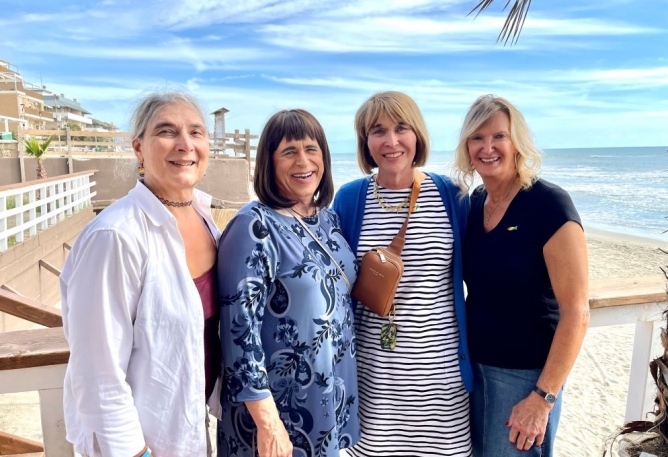
First, when did your passion for travel first come about? Can you remember a trip or experience that triggered your wanderlust?
My passion for travel was instilled in me by my father. He worked for Eaton Corporation as a professional meeting planner. For many years, he organized incentive travel trips for the corporation. Sales staff who performed well were rewarded with elegant trips to different parts of the world.
I saw pictures of him and my mother as they traveled to various places—Europe, South America, Africa, Alaska, Central America, and more. I resolved that, “When I grow up, I’m going to travel and see the world too.”
In 2025, I went with another couple on a several-day cruise from London to Spain and France. The couple included a cisgender woman and her cross-dressing spouse. The plan was for the husband and me to travel in male mode, but then try our wings by dressing en femme while on the ship to see how we would personally handle it and how people on the ship would react to us. We also wanted to see how the international clientele on a cruise ship departing from London would react to two trans women.
When we worked up the courage to venture out, we were warmly welcomed by everyone we met. We ended up spending as much time as our femme selves as we could. I was hooked on the joy and freedom of being my authentic femme self while traveling and soon began planning my next trip as Martha.
How has traveling as a trans woman shaped the way you choose destinations, accommodations, or experiences?
It is only recently that I have begun to take what, for me, was—and to some extent still is—the “risk” of traveling as a trans woman. I have done some traveling as my male self, but travel as Martha is still a new and wonderfully evolving experience.
I spend a lot of time trying to find spaces and places that are purportedly not just LGBTQ+ friendly, but more specifically trans-welcoming. There are groups that say they are LGBTQ+ friendly, but some people in the LGBTQ+ world welcome and are comfortable with the LGB, but not the T.
I find it important to research travel groups, social media reviews, and websites to see whether there is any mention of trans people or promotional pictures that include trans people. On their website, is there a question in the Q&A section such as, “Are transgender people welcome?”
A major issue when considering travel as a trans person is the relationship between the gender markers on your travel documents and your preferred gender presentation. I am nonbinary, dual-gender, or gender-fluid, which means I am comfortable traveling as my male self. All my IDs, passports, and other documents are in my male name, so I have no trouble traveling to a specific destination as my male self.
Trans travel guides note how important it is to have your passport, Real ID, plane ticket, hotel reservations, and credit cards in the same name.
However, although I travel as my male self and have my documents in my male name, my current modus operandi—and my joy—is to quickly get to my room after arriving, change, and let Martha be out and about in all her wonderfulness and glory for the rest of the trip.
This means checking into hotels as my male self and then letting the staff and travel or tour guides know that I am trans and will be presenting as my femme self for the rest of my stay. So far, I have had no trouble with staff accepting that and making me feel comfortable.
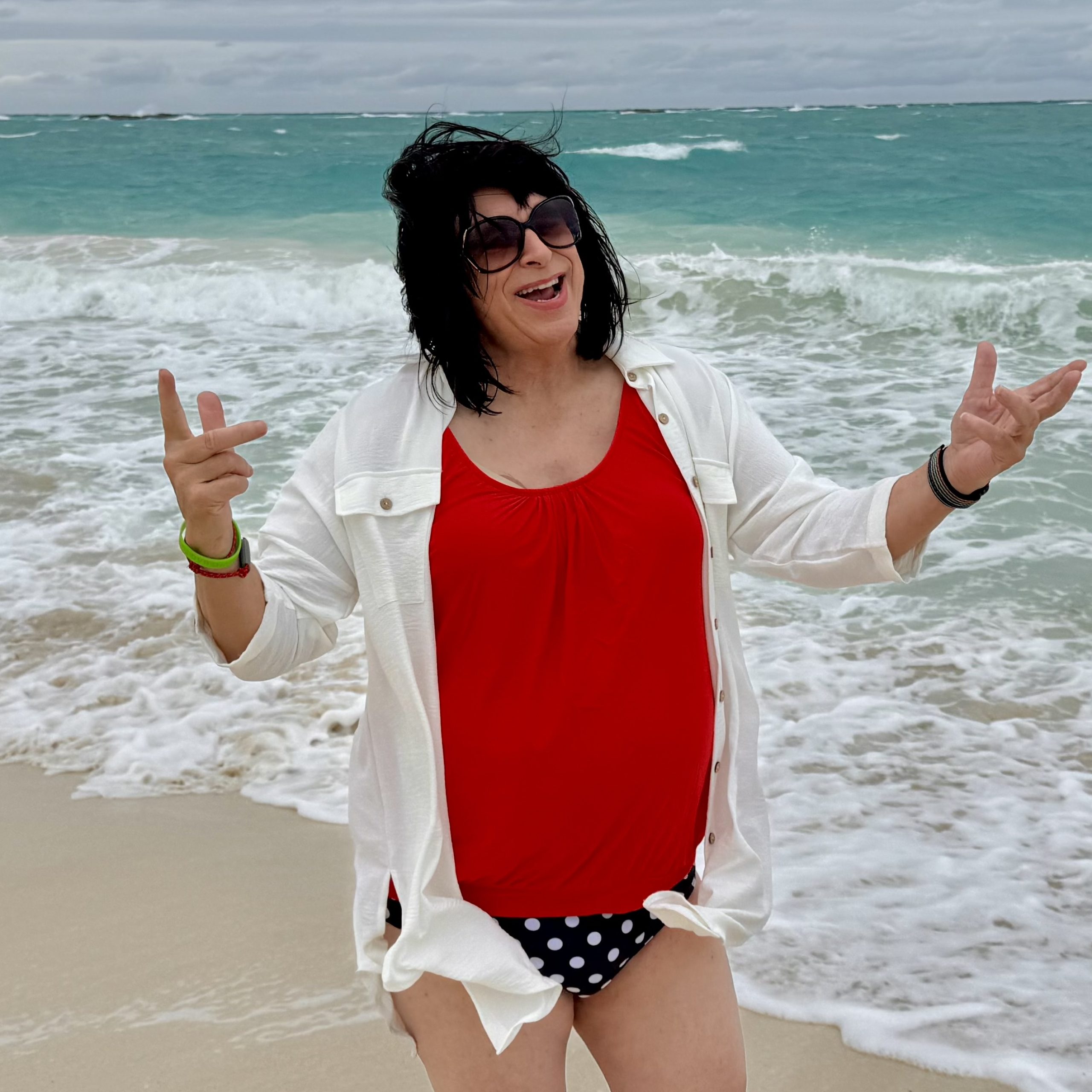
What are some of the biggest challenges or concerns you think trans travelers face before or during a trip? Are there any situations while traveling where you feel you have to be more cautious, prepared, or aware than other travelers might be?
The biggest challenge is overcoming your own fear of rejection and the possibility of being belittled or laughed at by transphobic or insensitive people. While this is always a possibility, and I would be naïve to think it never happens, I have to say that I have rarely experienced it.
In fact, I think the vast majority of people I encounter in stores, restaurants, lounges, and entertainment venues rarely, if ever, bat an eyelash. Over the past several years, I have been pleasantly surprised by how open and welcoming people are—and I don’t think it is because I “pass” all that well.
People in service industries are there to serve and welcome guests, not to make a scene. To put it another way, they are there to make money, and our money is as good as the next person’s. They want customers and guests to feel so good that we will want to return.
This also means talking with tour group leaders or hotel concierge staff to ask where the best places to go are. Are there queer-friendly restaurants in the area? Are there places they would recommend I avoid? Most are very accommodating.
When it comes to bathrooms, the fact of the matter is that trans people have been using the bathrooms that correspond with their preferred gender presentation, without incident, forever. It is only recently—especially in some U.S. states—that this has become a blown-out-of-proportion issue.
Whether in the United States or traveling abroad, I have not had any issues using women’s bathrooms. I go in, do my business, and get out. In the United States, while half of the states have laws on the books banning trans bathroom use, very few have figured out how to enforce those laws unless someone is deliberately making a political scene in defiance of them.
There are a few states I won’t travel to because of their overly aggressive anti-trans laws and initiatives. I would recommend doing online research before traveling so you can avoid those anti-trans states.
On medications, you should keep all hormone replacement therapy medications and other medications in their original, pharmacy-labeled containers. Carry extra medication and syringes in your carry-on, and bring a doctor’s note for medical devices if you are crossing international borders.
As for credit cards, I have them in my male name and also in my femme name. Most major credit card companies allow you to have a single account with more than one name attached to it.
In your opinion, what can a travel company or hotel do to reach the next level when it comes to creating a perfect experience for trans people?
Websites should include notifications or information that clearly indicate that the travel company or hotel is LGBTQ+ friendly. Beyond that, they should explicitly state that this includes people of all sexual orientations and gender identities and specifically note that transgender people are welcome. Photos that include trans people are also helpful.
Train staff on how to provide transgender hospitality. Give staff basic, evidence-based, scientific information about transgender people. Educate them on the proper use of pronouns.
When meeting a trans person, ask how they would like to be addressed, including what name and pronouns they would like you to use. Reassure trans people that if any issues or concerns arise during their stay, they should feel free to bring them to the attention of staff.
Hire trans people as members of the staff. Nothing helps employees develop a better understanding and appreciation of trans people more than working alongside them on a day-to-day basis. If it isn’t possible to have a trans woman on the staff or trip, a sensitive and welcoming cisgender woman can also be helpful.
Check in with trans people during the trip or tour to make sure they are doing okay.
Trans people can be very self-conscious and shy, yet they long to be welcomed and included. Compliments are worth gold. Reach out and welcome them as part of the group. Don’t force it—some will need time to warm up to the group, while others will want to plunge right in. It helps if there is another trans person or a welcoming cisgender or lesbian woman in the group.
One of the reasons I chose Two Bad Tourists for tours was that your rates for a solo cabin or hotel room were very reasonable compared with a couple of other groups I researched. I like having my own room and space.
Most tour groups require you to “pay double” if you want your own room. It is a little more expensive to travel solo, but it is not as prohibitive as having to pay double.
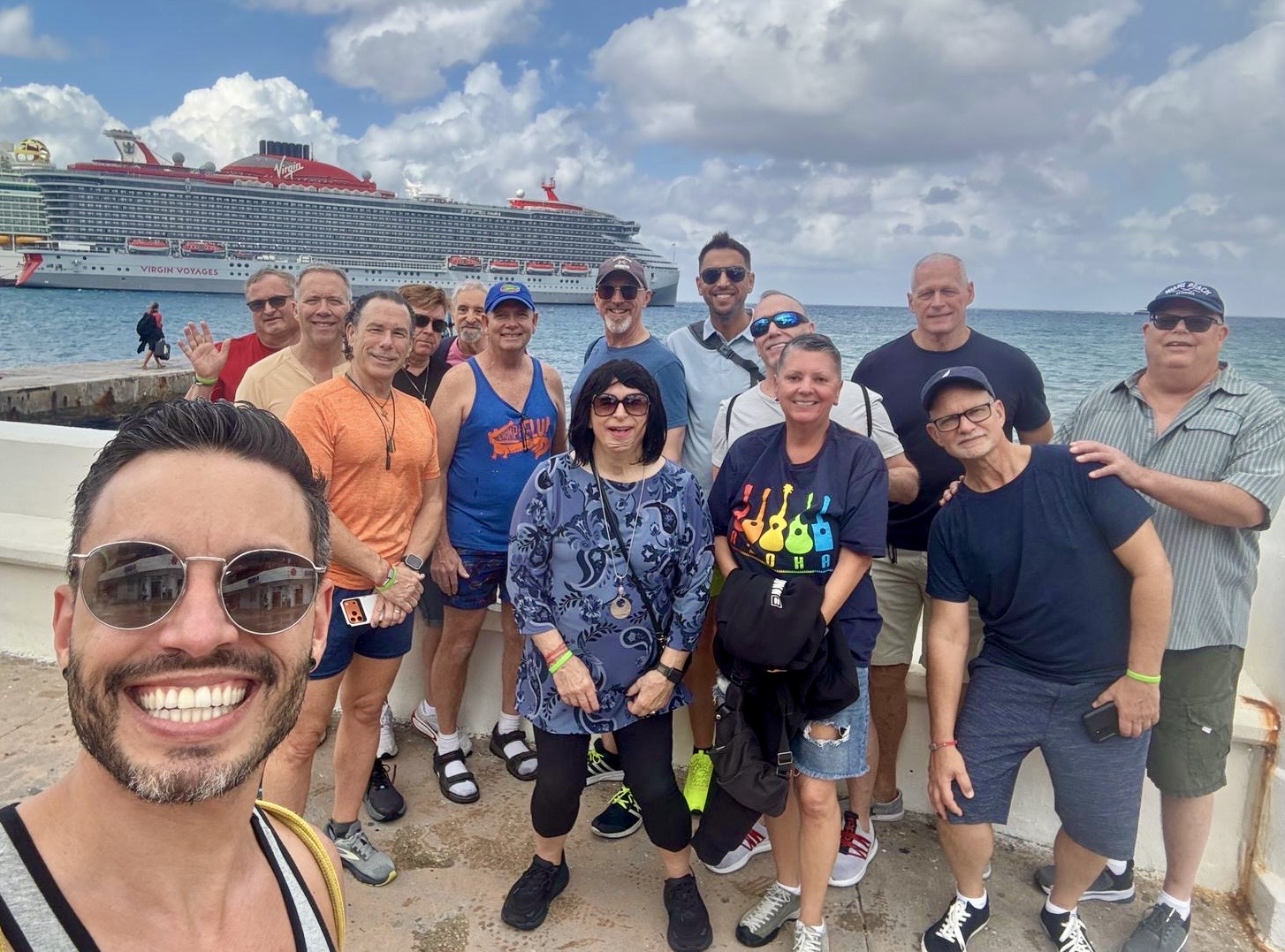
Have you ever had a travel experience where you felt especially welcomed, affirmed, or safe? What made the difference?
I’m happy to report that my experience with Two Bad Tourists was excellent. Before registering for a cruise, I took the opportunity to have an online video chat and exchanged several emails with the staff. This gave me the opportunity to interview them and determine whether they were trans-welcoming and comfortable, as well as what experience they had with trans people.
Before the trip, the staff reassured me that they had alerted the hotel staff and travel guides that there would be not only gay men, but also, more specifically, trans people on the trip. They also offered to answer any questions the staff might have.
We also had Snapchat participation before the trip. Those attending were invited to introduce themselves, which gave me the opportunity to say that I was trans, limit any “surprises,” and test the waters to see how welcoming the other guests might be. Several guests responded to my introduction by welcoming me and starting conversations.
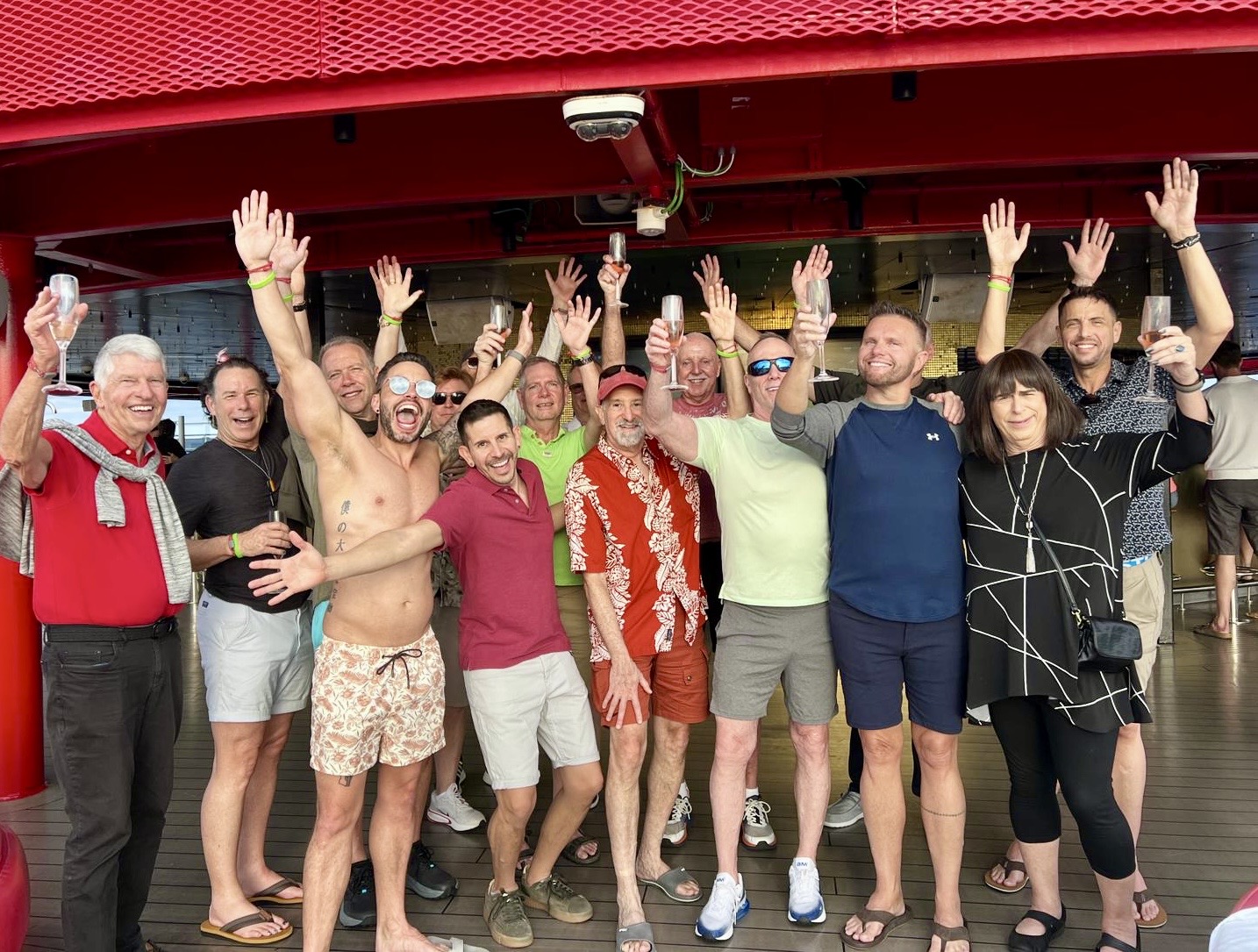
At the beginning of the trip, there was a welcome cocktail hour. I appreciated that Two Bad Tourists welcomed me and took the initiative to introduce me to other members of the group. Otherwise, I might have stayed on the periphery.
I really appreciated the opportunities to have dinners and take tours with the group. This allowed me to know that I wouldn’t be alone and helped me connect with others. I also appreciated knowing that the dinners and tours were optional. If I needed space, I knew I could take it without having to navigate the expectation that I participate in everything.
While on the cruise ship for several days, two different women approached me. As one put it, “I’ve seen you out and about on the ship, and I just want you to know that I think you are really rocking it. Good for you for being here.”
As I noted, I don’t really pass and don’t try to change my voice. I think it is obvious that I am trans. Therefore, being affirmed as a trans person simply for being out and about was quite gratifying and gave me a big boost in self-confidence.
Trans people can be very body-conscious and non-affirming toward themselves. A big step for me on the cruise was deciding whether I would have the courage to go to the pool or beach in my swimsuit. I have a somewhat stocky and certainly not traditionally feminine body.
I took a couple of deep breaths and, with a bulky cover-up, took the risk. Much to my joy, no one seemed to notice, care, or stare. As I looked around, there were women of every size and shape imaginable, so I thought, “What the heck?” I shed the cover-up and enjoyed myself in the sun beside the pool—and on the beach—just like everyone else.
I should mention that, while on the cruise from Miami and while visiting Barcelona and Sitges, I freely and comfortably went on tours and visited restaurants, shops, and late-night venues without incident.
I usually went with others from the group tour, but not always. No one looked at me with a long, uncomfortable stare or pointed at me while talking to others. Those things can happen when you know you are in a place where you are not welcome. Traveling with Two Bad Tourists has boosted my self-confidence and been quite liberating.
Conversely, have you ever had a particularly negative experience when traveling as a trans woman that you don’t mind sharing?
So far—knock on wood—I haven’t had a truly negative experience. I have had one or two awkward experiences when presenting as my femme self and needing to produce an official ID with my male name.
In those instances, I simply explained that I am trans and that, yes, the ID really is mine. Some people had to stare for a moment to make sure the male picture matched my female presentation, but they responded with something like, “Oh, okay, I see it. That’s pretty cool.”
When I took a Virgin cruise with Two Bad Tourists, all my identification documents were in my male name. I also had to submit a photo of myself in male mode. Therefore, my wristband ID and the photo that appeared in the system showed me as my male self.
When I arrived onboard, I went to Guest Services as my male self and told them that I would be spending the next several days as Martha. I asked if there was a way for me to be recognized only as Martha while on the ship.
The Guest Services staff asked me to get dressed and then come back. I did. They were pleasantly surprised by my transformation and were only too happy to take a picture of me as Martha and use it to replace the photo they had on file of me as my male self.
There were no issues doing this or going on and off the ship as Martha afterward.
There were also a couple of times when hotel staff or tour guides were given my male name instead of my femme name. Again, there was some awkwardness—more so for the staff member than for me—but once I explained that I was trans and preferred the use of my femme name, everything was fine.
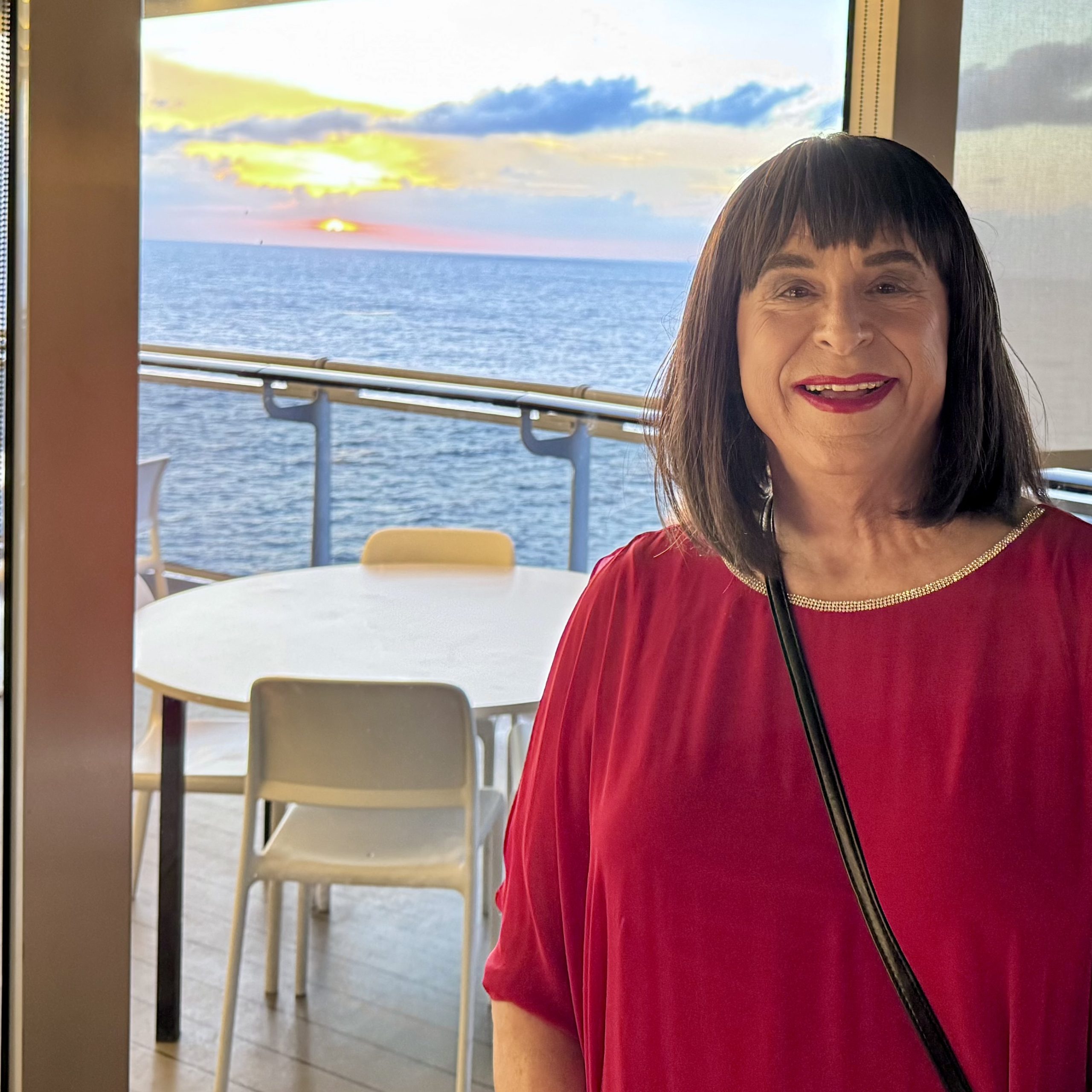
On your trip with us to Barcelona this year, you met up with a group of trans women as part of the trip. How did you go about reaching out to them, and how did the meetup go?
In preparation for the Barcelona trip, since I had heard that Barcelona was a very LGBTQ+ friendly city, I thought it would be fun to find a beauty salon that did makeovers for trans women. I found a couple through search engines and an AI program.
While I was making arrangements for a makeover, the cosmetologist told me about their group and gave me an introduction.
Many countries and states have LGBTQ+ friendly listings through their tourism offices. I contact those offices and ask for their assessment of how open and friendly the destination is specifically toward trans people. I also ask whether there is a trans organization or LGBTQ+ organization I can contact for more information.
The meeting with 20 to 25 trans women was great. Fortunately, several people were willing to translate for me. The group was warm and welcoming and just as eager to learn about being trans in the United States as I was to learn about their experiences in Barcelona.
We shared so much in common—battling the fear of rejection, navigating family relationships, facing employment discrimination, becoming comfortable going out in public, and more.
They have a cosmetologist who has been doing makeup for trans women for many years, and she helped me look amazing. A small group also took me out to dinner and drinks. It was a wonderful evening.
What advice would you give to other trans people who want to travel more but may feel nervous or unsure about where to start?
Find a travel group that has experience with transgender guests and can help you navigate immigration protocols if you want to travel internationally.
Your first trip should be with a tour guide who can advise you about where it is safe to go and which places you should avoid. I would recommend a smaller group where you can become acquainted with the other travelers and have someone to spend time and do activities with.
If you are in a situation that doesn’t feel right or you feel that you are being judged or looked down on, just leave. I have never had to do that, but I was prepared to do so if necessary.
With a fairly high level of confidence, I can say those experiences are rare. Most people are too busy with their own lives to notice or care about you.
My experience has generally been that when people realize you are trans, they are curious about us. Most people have never met a trans person. As a result, if you are open to it, they may have a lot of sincere questions.
I’ve had some wonderful conversations about what it is like to be trans and part of the trans community that continued into the wee hours of the night. This is especially true of gay men, who may know very little and would love to be better allies but find it difficult because they simply don’t know enough.
If you are open to it, you can help change the world a couple of people at a time.
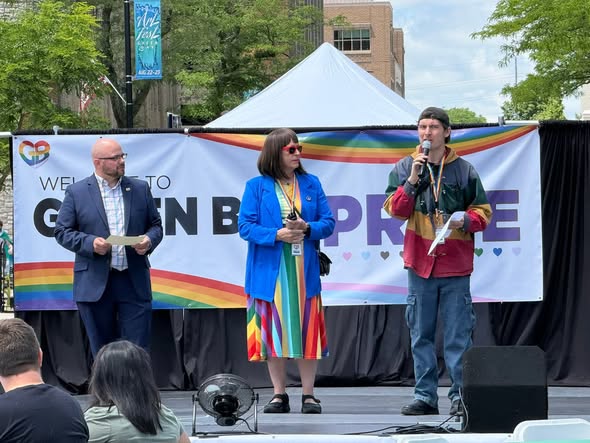
Not specifically related to travel, but you also told us during your trip with us to Barcelona and Sitges about meeting a certain famous person. It’s a fascinating story. Can you share it again and explain how that came about?
For more than 40 years, I lived with Martha in the closet and worked for the Catholic Church as my male self. When I retired, Martha came out of the closet and into public life. I founded an organization dedicated to providing support and safe social spaces for cross-dressers and transgender people.
Such activities are, at best, frowned upon by the Church. However, there are a few Catholic trans and LGBTQ+ people who are working to help the Catholic Church become more welcoming and inclusive.
In the summer of 2024, I attended a conference for these progressive Catholic leaders. While at the conference, I met a Catholic priest who was the pastor of a parish on the outskirts of Rome and a friend of Pope Francis.
Somewhat secretly, and with the encouragement of Pope Francis, the pastor had been bringing trans women who were sex workers and members of his parish to meet the Pope. It was Pope Francis’ way of demonstrating that everyone truly is welcome in the Church, despite some of its teachings.
This pastor asked whether I and three other noteworthy trans Catholic women from the United States could come to Rome to meet Pope Francis. He wanted to expand the Holy Father’s understanding of trans people by having him meet some more-or-less ordinary Catholic women from the United States who also happened to be trans.
We were vetted, and then it happened on the steps of St. Peter’s Basilica on September 18, 2024. It wasn’t a long visit, but it was very public.
Pope Francis did not change Church teaching regarding trans people. However, through his example and the photos that were taken, he has helped the Church move toward becoming a church that is more compassionate, welcoming, and pastorally responsive to transgender people.
Excitingly, you are planning to start your own trans group trip in 2027! Can you give us some details about your plans?
Well, what we are discussing isn’t simply a “trans group trip.” Rather, it would be a regularly scheduled Two Bad Tourists trip for a group of LGBTQ+ people—probably still mostly gay men—that includes a special welcome and additional support for a small group of trans people. Gay women would of course also be most welcome!
I would hope that we could get several trans people, including trans women and transmasculine people, who would be part of the larger group. There would be special times for the trans group to gather, calm their fears, and feel welcomed and included, but we would not want to isolate them from the larger group. Interacting with all the gay men was part of the fun and one of the highlights of my previous trips.
I would expect that meals together and tours of local sites would involve the entire group.
Auston has forwarded a couple of possible tour dates in 2027. I hope to narrow down the possibilities soon. However, in all likelihood, this initial offering will probably be a cruise departing from Miami on Virgin Voyages.
To keep costs down by avoiding overseas flights, it will probably be a four- or five-night cruise. Using Miami as the departure port also helps us avoid potential “passport issues” for trans people that may arise when traveling outside the country.
If this works, perhaps we can consider a longer overseas trip in the future.
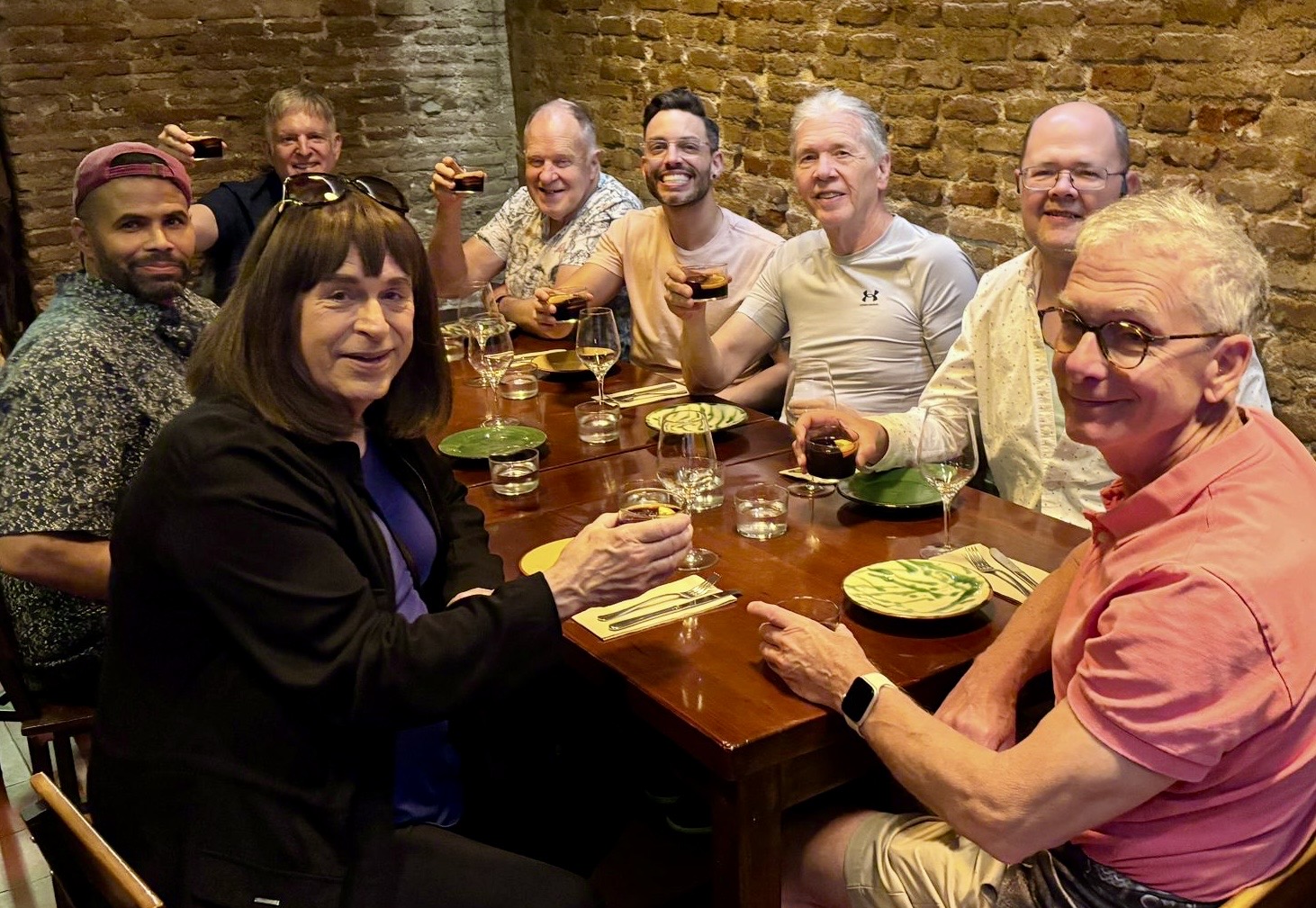
FAQ – Trans Travel Tips
What travel documents should trans travelers carry?
Make sure your passport, flight reservation, hotel booking, and any other official travel documents match the name on your primary ID. If you're traveling with medications, keep prescriptions and a doctor's note handy, especially for international trips. Martha also recommends researching local laws and carrying digital copies of important documents as a backup.
How do TSA/airport screenings handle gender markers?
Airport security officers are trained to screen passengers without making assumptions about gender, although screening technology and procedures can still result in additional checks for some trans travelers. If your appearance differs from the photo or gender marker on your ID, stay calm and answer questions honestly. Most importantly, your boarding pass and identification should match the same legal name.
How can I manage hormones or medications abroad?
Carry all hormone replacement therapy (HRT) and prescription medications in their original pharmacy-labeled containers, and pack them in your carry-on rather than checked luggage. Bring extra medication in case of delays, along with copies of your prescriptions and a doctor's letter if you're traveling with syringes or medical devices. Before you travel, check whether your destination has any restrictions on specific medications.
What countries pose extra risks for trans travelers?
Acceptance varies widely around the world. Before booking a trip, research local laws on LGBTQ+ rights, legal gender recognition, and anti-discrimination protections. Some countries—and even certain U.S. states—have laws or policies that may make travel more challenging for transgender visitors. Resources such as ILGA World provide regularly updated information on legal protections and restrictions by country.
What resources offer help if problems arise?
If you encounter difficulties, your country's embassy or consulate should be your first point of contact. It's also worth reaching out to LGBTQ+ community centers, local advocacy organizations, or your tour operator if you're traveling with a group. Organizations like ILGA World and the Transgender Law Center also publish practical travel guidance and links to local support networks.
Extra Resources
Traveling While Trans – Transgender Law Center – What to know before you go
LGBTQ+ Equality Maps – US


Comment (0)