
Queer movies don’t just entertain; they help us feel seen, provoke us, give us comfort, make us laugh, turn us on, and occasionally wreck us emotionally on a Sunday night. Gay films chart the gay male experience across decades, continents, subcultures, and moods—from tender first love to political rage, from gay road trips across deserts to forbidden queer love in saunas. LGBTQ+ cinema can take us anywhere and everywhere, all at once. Some are classics, some are messy, some are revolutionary, and all of them say something essential about what it means to be gay, then or now.
It's hard to play favorites, but here's our 25 must-watch queer films that we think that all gay men should take the time to enjoy. Consider this less a syllabus and more a lovingly curated mixtape. And don’t worry, no spoilers!
Tales of Love and Lust
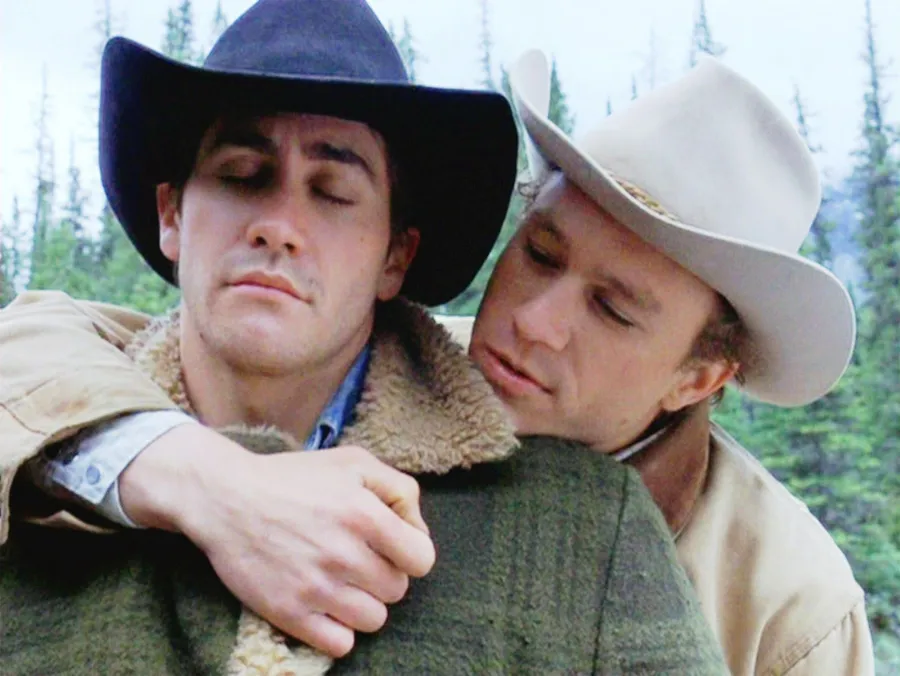
Brokeback Mountain
Yes, it’s obvious. But this cowboy love story cracked mainstream cinema open by portraying gay love as epic, restrained, and devastatingly human. This sweeping, tragic love story tells the story of Ennis and Jack (Heath Ledger and Jake Gyllenhall), two cowboys who form a profound romantic bond while herding sheep in 1960s Wyoming. Forced by fear, masculinity, and social repression to live separate lives, they meet in secret for decades. The film is a slow burner but explores forbidden desire, emotional isolation, and the devastating cost of denying love.
God’s Own Country
Often described as the British answer to Brokeback Mountain, this film stands firmly on its own. The raw, grounded romance is set on a bleak Yorkshire farm, where emotionally closed-off young farmer Johnny begins a relationship with Gheorghe, a Romanian migrant worker. What starts as rough, wordless sex slowly grows into tenderness and mutual care, forcing Johnny to confront loneliness, grief, and vulnerability. There’s mud, sheep, sex, silence, and tenderness—sometimes all in the same scene.
My Own Private Idaho
Hustlers, gay love, Shakespeare, and narcolepsy. My Own Private Idaho is quite the queer journey. Made all the better because River Phoenix (R.I.P.) and Keanu Reeves are the leads. Part road movie, part dream sequence, part queer Shakespearean tragedy, this Gus Van Sant classic is pure ’90s arthouse poetry. The story is loosely (very loosely) based on Shakespeare’s Henry IV and V plays. It follows the story of two “friends” in search of one’s mother, visiting Oregon, Rome, and yes, Idaho. It’s a defining portrait of queer longing, chosen family, and emotional homelessness. Beautiful, strange, and permanently etched into gay cinematic history.
Fire Island
On the topic of modern retellings of classic literature comes this modern rom-com whose plot is based on Pride and Prejudice, but gay, obviously. A group of friends descend on the titular Fire Island for a summer of fun only to have their gaycation turned on its head when they meet a group of wealthy men. A modern queer spin on classic romantic comedy tropes, Fire Island is witty, self-aware, and joyfully specific. It discusses chosen family, gay social hierarchies, classism, and the universal chaos of falling for the wrong person at the right time.
Shortbus
One of the most erotic and yet poignant films of all time, Shortbus follows a group of sexually diverse characters, including a sex therapist who hasn’t had an orgasm, a bisexual dominatrix, a gay couple looking for a third, and their mysterious stalker. The action centers around a sex club run by a drag queen as the characters all attempt to find happiness and connection, both in their sex lives and relationships. Shortbus celebrates intimacy in all its awkward, joyful, chaotic forms. There’s a very sad plot twist halfway through, so bring your box of tissues. And there are also unashamedly explicit scenes containing penetration and a rather hot male ejaculation scene—so those tissues can do double work.
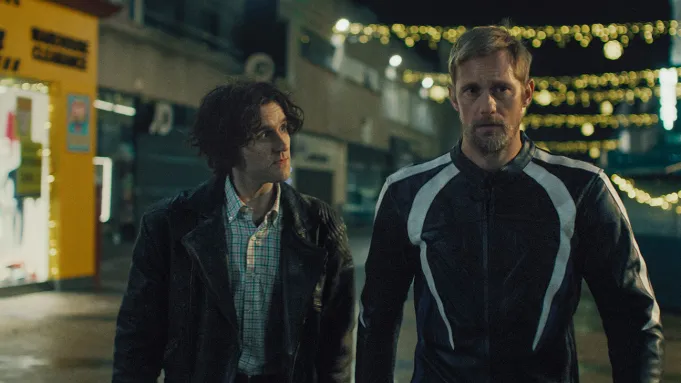
Pillion
BDSM, you better do! This new black comedy is the best representation of a sub/dom relationship between gay men ever made. In fact, it's been tagged as the first every “dom-com”. Pillion is based on the book Box Hill and explores the connection between desire, power, and connection within kinky relationships in ways that feel raw and emotionally sharp. Harry Melling (yes, that’s Dudley from Harry Potter) plays a timid gay man who ends up in a BDSM relationship with a dom biker played by the hot as hell Alexander Skarsgård (well known as the sexy vampire Eric from True Blood).
The Pass
Who hasn’t fantasized about footballers getting it on? The now iconic Russell Tovey and Arinzé Kene play two young footballers, one Black and one white, who discover their attraction for each other. After their first encounter, they gradually come to terms with their sexuality in their everyday lives. Yes, it is hot as hell, but also a very grounded exploration of masculinity, competition, and repression. It’s about what happens when desire collides with ambition—and how silence can shape a life.
Sauna
Way more dark, moody, and steeped in atmosphere than you’d expect for a movie set around a gay sauna. This new Danish romantic drama is about a hedonistic guy who works at a sauna in Copenhagen, who finds an unexpected connection with a trans man. Sauna is a fascinating exploration of guilt, repression, and desire lurking beneath rigid masculinity.
All of Us Strangers
All of Us Strangers is a tender, haunting romance-meets-fantasy story about Adam (the enigmatic Andrew Scott), a lonely screenwriter in London who begins a relationship with his alcoholic neighbor Harry while mysteriously reconnecting with his long-dead parents, unchanged since the 1980s. As love blooms, grief and memory blur reality and fantasy. Gentle, melancholic, and quietly devastating, the film explores love, grief, memory, and the emotional aftershocks of growing up gay.
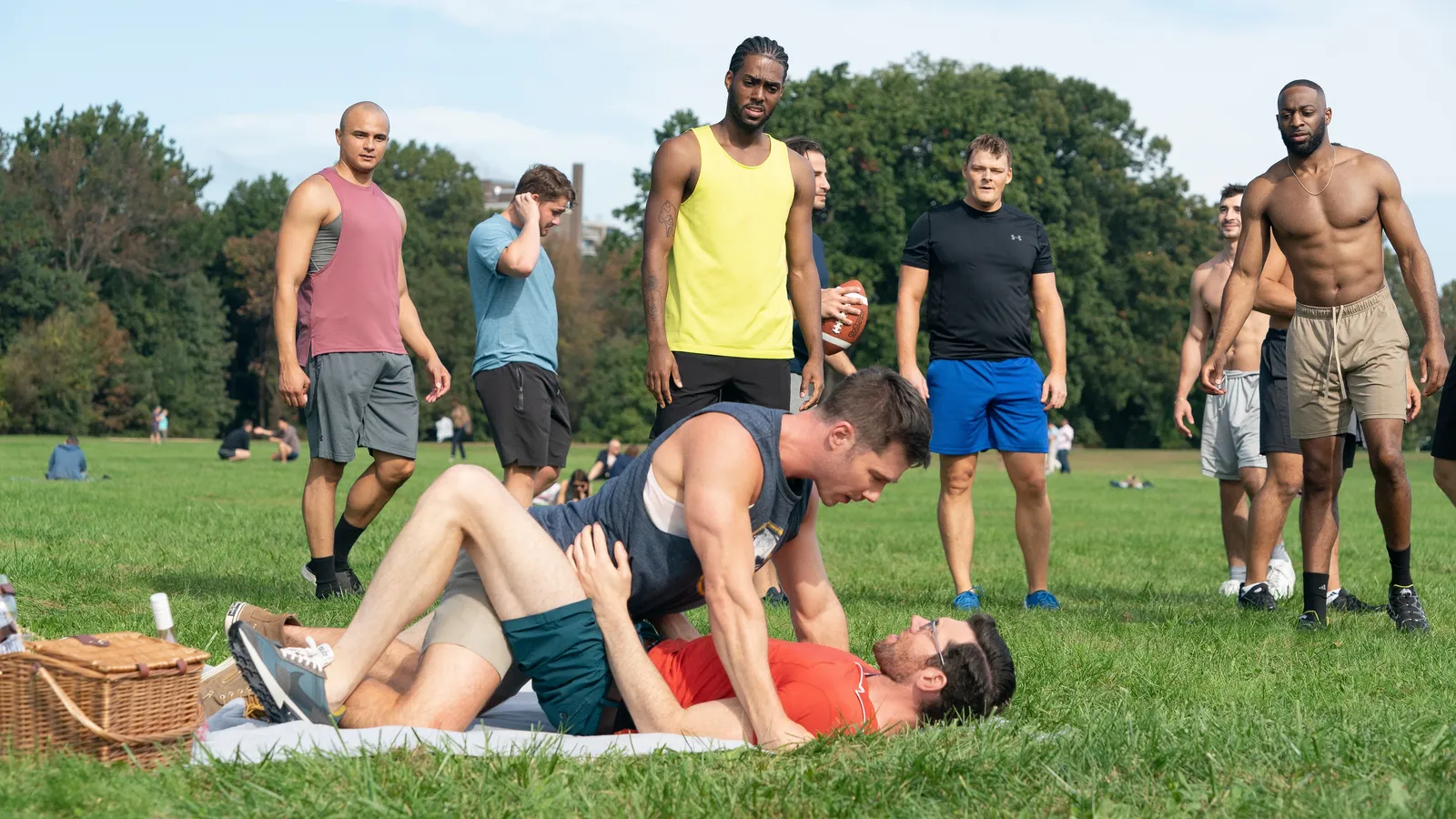
Bros
Not every queer film needs to be deep, intense, or thought-provoking. Sometimes we just want a good old-fashioned fun romp. Bros is a mainstream rom-com where gay men get to be messy, funny, and unapologetically themselves. The film follows podcast host and LGBTQ+ curator Bobby (Billy Eichner) as his world collides with that of “straight-acting” hunk Aaron, played by Luke Macfarlane. Bros leans into modern gay dating chaos—apps, trauma, commitment issues—and does so with affection rather than judgment. It’s glossy, self-aware, and proud to be a rom-com without pretending to be anything else.
Weekend
Two men, one weekend, and a conversation that lingers far beyond its runtime. Another great offering by powerhouse queer director Andrew Haigh, Weekend is minimalism at its best. A one-night stand between two very different guys becomes a relationship with a weekend time limit. The highly relatable film captures how intimacy can bloom quickly and still feel profound.
Call Me By Your Name
Call Me By Your Name is a sun-drenched coming-of-age romance set against the backdrop of 1980s Italy, where precocious teenager Elio falls into an intense, sensual affair with Oliver, a visiting graduate student. Their relationship unfolds slowly with building intensity through glances, music, books, and stolen touches. Lush, intimate, and deeply emotional, the film lingers on desire, self-discovery, and the bittersweet ache of loving fully, even when it cannot last. A cinematic reminder that some summers change you forever.
Serving Queer Realness
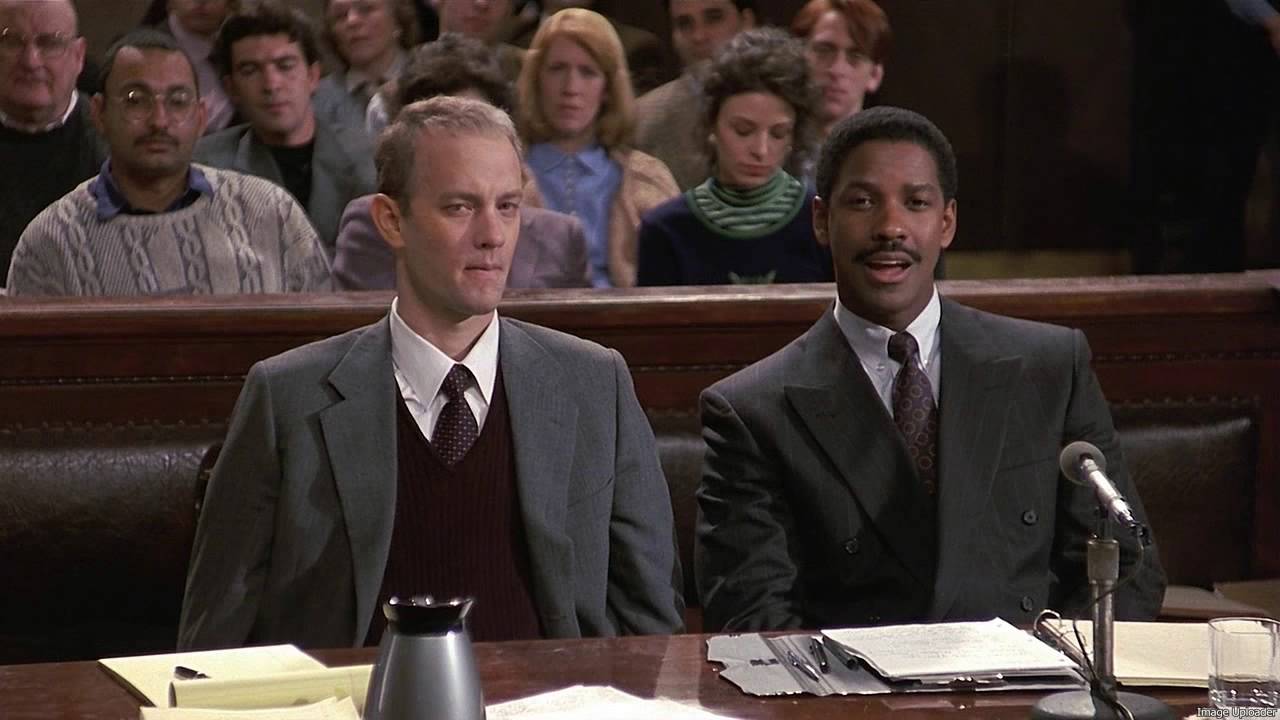
Philadelphia
One of the first major Hollywood films to confront AIDS head-on, Philadelphia is both a courtroom drama and a cultural milestone. It humanized gay men for audiences who had been taught to fear them. Within it, Andrew Beckett , a brilliant lawyer fired after his firm discovers he has AIDS, teams up with reluctant attorney Joe Miller to fight discrimination while confronting illness, mortality, and dignity. Groundbreaking for its time, the film humanizes the AIDS crisis with compassion and restraint. Anchored by powerful performances from Tom Hanks, Denzel Washington and Antonio Banderas, it balances legal tension with profound emotional weight, insisting on empathy, justice, and the simple right to be treated as human.
Bad Education
Pedro Almodóvar is Spain’s most important director and openly queer. His films are always sharp and emotionally complex, and Bad Education is no exception. Reuniting a filmmaker with a former classmate, the story unravels childhood abuse by a Catholic priest, shifting identities, and obsessive love. Gael García Bernal delivers a nuanced performance that resists easy villainy. It’s not an easy watch, but it’s an important reminder that queer stories can—and should—be morally complicated. Layered and provocative, the film explores how trauma distorts truth and storytelling itself.
Paris Is Burning
Before Madonna struck a pose, the families of the New York ballroom scene were voguing their way to tens, tens, tens across the board. Paris Is Burning is a seminal documentary exploring their world within New York City’s Black and Latinx drag ball culture of the 1980s. Centered on voguing, chosen families, and fierce self-invention, it captures queer lives shaped by racism, poverty, homophobia, and the AIDS crisis. Intimate and electrifying, the film celebrates resilience, glamour, and survival, while exposing the harsh realities beneath fantasy.
The Lives of Icons
The Naked Civil Servant / An Englishman in New York
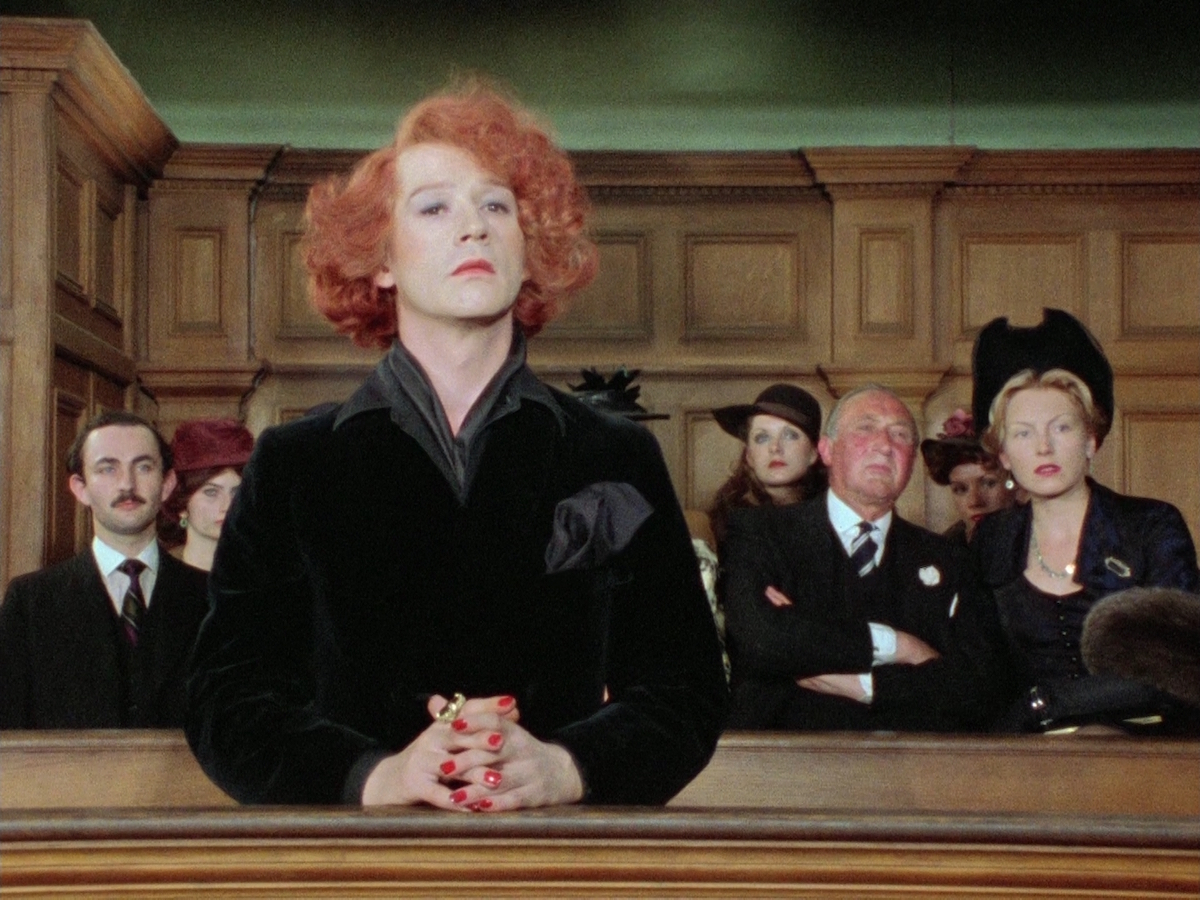
Cheating somewhat, these two films together chart the defiant, flamboyant life of Quentin Crisp—Sting’s “Englishman in New York” and the Oscar Wilde of the 20th century. The former covers his embattled youth in pre-war England and the latter his attempts to make sense of cult-celebrity status in New York. The films trace survival through wit, provocation, and unapologetic queerness. Sharp, funny, and deeply poignant, they form a portrait of a man who turned outsiderhood into performance, visibility, and radical self-invention. Plus in both you have John Hurt as the lead (with an appearance from Quentin Crisp himself in the first film). Remember, a gentleman walks but never runs!
Milk
This inspiring biographical drama is all about Harvey Milk, the first openly gay man elected to public office in California. Set against the rise of the gay rights movement in 1970s San Francisco, the film traces Milk’s transformation from reluctant activist to charismatic leader. Passionate and accessible, it balances political urgency with personal warmth, honoring optimism, coalition-building, and the enduring power of visibility in the face of hatred. It’s a reminder that rights were fought for by real people with real courage—and that visibility has always been political.
Bohemian Rhapsody
Is there any queer man who was more universally loved than Freddie Mercury? This biopic charts both the rise of Queen and the mercurial life of the man himself. From outsider immigrant to global rock icon, Freddie’s journey balances creative triumph with loneliness, excess, and repression around his sexuality—not to mention a relatable terrible taste in boyfriends. Rami Malek embodies Freddy perfectly and there's even a guest appearances from Brian May. Though historically smoothed and emotionally cautious, the film soars during its musical set pieces, celebrating performance, spectacle, and the ecstatic power of finding freedom onstage, even when offstage remains fraught.
Rocketman
On the topic of universally loved gay singers, Elton John at least shares the crown. Rocketman (named after the song, of course) is a flamboyant musical fantasy chronicling Elton John’s rise from shy piano prodigy to global pop icon. Told through heightened spectacle and song, the film dives into addiction, trauma, fame, and queer self-acceptance with emotional candor. Unlike traditional biopics, it embraces vulnerability and excess, framing creativity as both refuge and rebellion. Joyful, bruising, and unapologetically gay, Rocketman celebrates survival, self-love, and the healing power of music. Tagron Egerton as a younger Elton is easy on the eyes too!
Music to my Ears
Rent
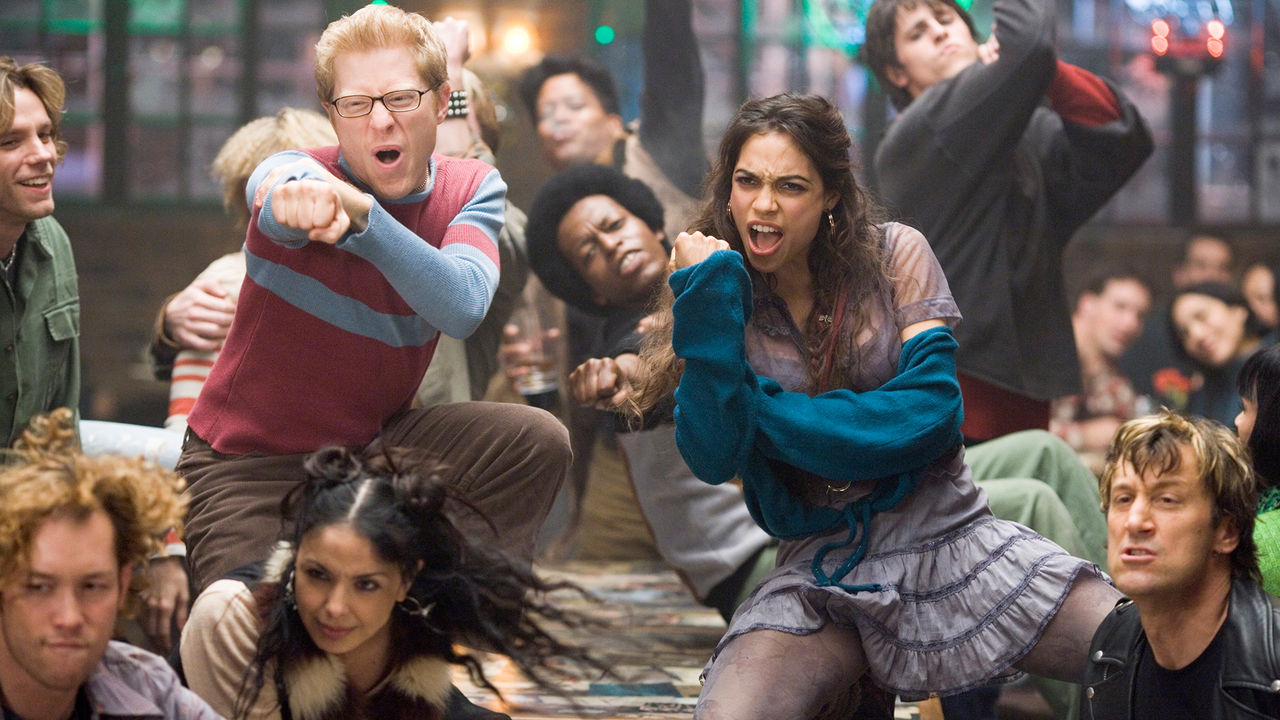
Love it or roll your eyes at it, Rent is a cornerstone of queer pop culture. It’s a vibrant, messy musical about a group of young artists and friends struggling to survive love, poverty, addiction, and AIDS in 1990s New York. Centered on chosen family, queer romance, and creative defiance, the film captures both the euphoria and fragility of living moment to moment. Its songs have become karaoke favorites worldwide, and “La Vie Bohème” will live forever rent-free (forgive the pun) in your head.
Hedwig and the Angry Inch
A glam-punk rock opera about Hedwig, an East German genderqueer singer with a botched sex-change operation, touring dive bars with a furious band. Through blistering songs and dark humor, Hedwig recounts love, betrayal, and artistic theft by a former protégé. Raw, hilarious, and emotionally naked, the film explores identity as performance, the pain of incompleteness, and the radical act of claiming your own story.

Comedy and Drag
Hairspray
Really, any John Waters film could be on this list, especially those that involve the iconic and fabulously messy drag queen Divine, but Hairspray is the one that left the biggest legacy. The gleefully subversive cult classic is about Tracy Turnblad, a chubby Baltimore teen who becomes a local dance show star while fighting racial segregation. Packed with outrageous humor, drag icon Divine, and deliberate bad taste, the film skewers beauty standards, teen conformity, and polite racism. Trashy, loud, and unexpectedly sincere, Hairspray blends camp anarchy with a surprisingly earnest belief in inclusion, rebellion, and dancing your way toward social change. It later spawned a Broadway/West End musical and a film version of the musical, but the original stands as a must-watch.
The Adventures of Priscilla, Queen of the Desert
Unless you’ve been living under a rock in the Australian outback yourself, you can’t have missed this riotous road movie that follows three drag performers played by Hugo Weaving, Guy Pierce and Terrence Stamp, and their driver Bob (Bill Hunter), cross the deserts of Australia in a lavender bus. Camper than the campest of the camp, beneath the sequins and ABBA anthems lies a story about friendship, resilience, and queer survival in a literally hostile terrain. By turns hilarious and heartfelt, the film balances camp spectacle with moments of prejudice and pain, ultimately affirming chosen family, self-expression, and the defiant joy of being seen—and proving that you really can walk anywhere in high heels.
To Wong Foo, Thanks for Everything! Julie Newmar
The ’90s sure did love a good drag road trip comedy, and To Wong Foo is pure joy encapsulated in a two-hour movie about three drag queens traveling cross-country. Together, they transform a small, conservative town with acts of kindness, glamour, and solidarity. Campy and sincere, the film blends fish-out-of-water humor with messages of acceptance and empowerment. The cast are a powerhouse of talent including Wesley Snipes, Patrick Swayze, John Leguizamo, and even RuPaul makes an appearance at the film's opening.
Hurricane Bianca
Oh, sometimes we just need some silly drag fun in our films—after all, laughter is a form of revolution—and this is what Hurricane Bianca serves in spades. It’s a broad, unapologetically camp revenge comedy starring drag race icon Bianca Del Rio as a New York teacher fired after coming out in a small Texas town. Returning in full drag to teach and torment the locals, Bianca dispenses insults and lessons in equal measure. Crude, cartoonish, and proudly niche, the film favors punchlines over subtlety, celebrating queer defiance, resilience, and the cathartic power of reading bigotry to filth.

The Final Curtain
So there you have it. These gay films don’t all agree with each other—and that’s the point. We are not a monolith. Queer movies are not one story but many: tragic, hilarious, erotic, political, quiet, loud. Watching LGBTQ+ cinema isn’t just about entertainment; it’s about recognizing fragments of yourself, your history, and your community flickering on screen.
You won’t love all of them equally. Some will break your heart, others will make you laugh, and a few might make you wildly uncomfortable. But together, they form a cinematic lineage every gay man deserves to know.
FAQ
What are the best queer movies for gay men?
The “best” queer movies for gay men depend on mood, taste, and life stage. Some resonate through sweeping romance, like Brokeback Mountain, while others capture intimacy in smaller moments, such as Weekend. Films like Call Me By Your Name explore first love and emotional awakening, while titles like Shortbus embrace sex, connection, and vulnerability with radical openness. The strongest films aren’t trying to represent everyone—they tell specific stories honestly, which is why they endure.
Which LGBTQ+ films are most critically acclaimed?
Critically acclaimed LGBTQ+ films often combine strong storytelling with cultural impact. For example, Philadelphia was groundbreaking in humanizing the AIDS crisis for mainstream audiences, while Paris Is Burning is revered for documenting New York’s ballroom scene with intimacy and urgency. International cinema also plays a huge role, with films like My Own Private Idaho earning lasting critical respect for their artistry and emotional depth.
Where can I stream popular queer movies?
Many queer films are available on major streaming platforms, though availability varies by region and time of year. Newer releases like Fire Island often appear on mainstream services, while classics and indie titles such as Hedwig and the Angry Inch are frequently found on digital rental platforms or LGBTQ+-focused streaming services.
What gay films are good for date night?
Romantic, funny, or lightly dramatic films tend to work best for date night. God’s Own Country balances grit with tenderness, while Bros offers a modern, laugh-out-loud take on gay dating. These films leave room for conversation without draining the mood.
What’s the difference between queer and gay cinema?
Gay cinema traditionally centers gay male experiences, such as love, identity, and visibility, seen in films like Milk. Queer cinema is broader and more fluid, often challenging norms of gender, sexuality, and storytelling itself, as in All of Us Strangers. Gay cinema fits within queer cinema, but queer cinema resists fixed definitions—and that openness is its strength.
Feature image by Kampus Production.



Comment (0)