
Eastern Europe is underrated. At least that’s what every travel article and influencer video pumped out by your algorithm will tell you. Don’t be part of the overtourism problem and head to beautiful Ljubljana instead of Barcelona, they say. Go to Belgrade and get the old-school city experience while spending half as much as you would in Prague or Paris.
Repetitive as their advice is (and eventually likely to backfire when everyone starts going to their suggestions), they aren’t completely wrong. What that often glossy, heterocentric advice tends to overlook, however, is the harsh reality that much of Eastern Europe—and parts of Central Europe—still lag behind their Western neighbors when it comes to LGBTQ+ rights. Legal protections are patchy, political rhetoric can be hostile, and social acceptance varies wildly depending on where you are. For many queer travelers, that reality can be enough to make us hesitate before booking an Eastern European adventure.
But the “rainbow curtain” has started to erode. LGBTQ+ communities across the region are becoming more visible, more organized, and more confident—even if they don’t always have the institutional support seen in cities like Madrid, Berlin, or London. The key to LGBTQ budget travel in Eastern Europe is to think city by city rather than country by country.
Presenting eight cheap gay-friendly Eastern European cities where LGBTQ travelers generally find more community, more nightlife options, and more of that precious “nobody really cares” day-to-day energy.
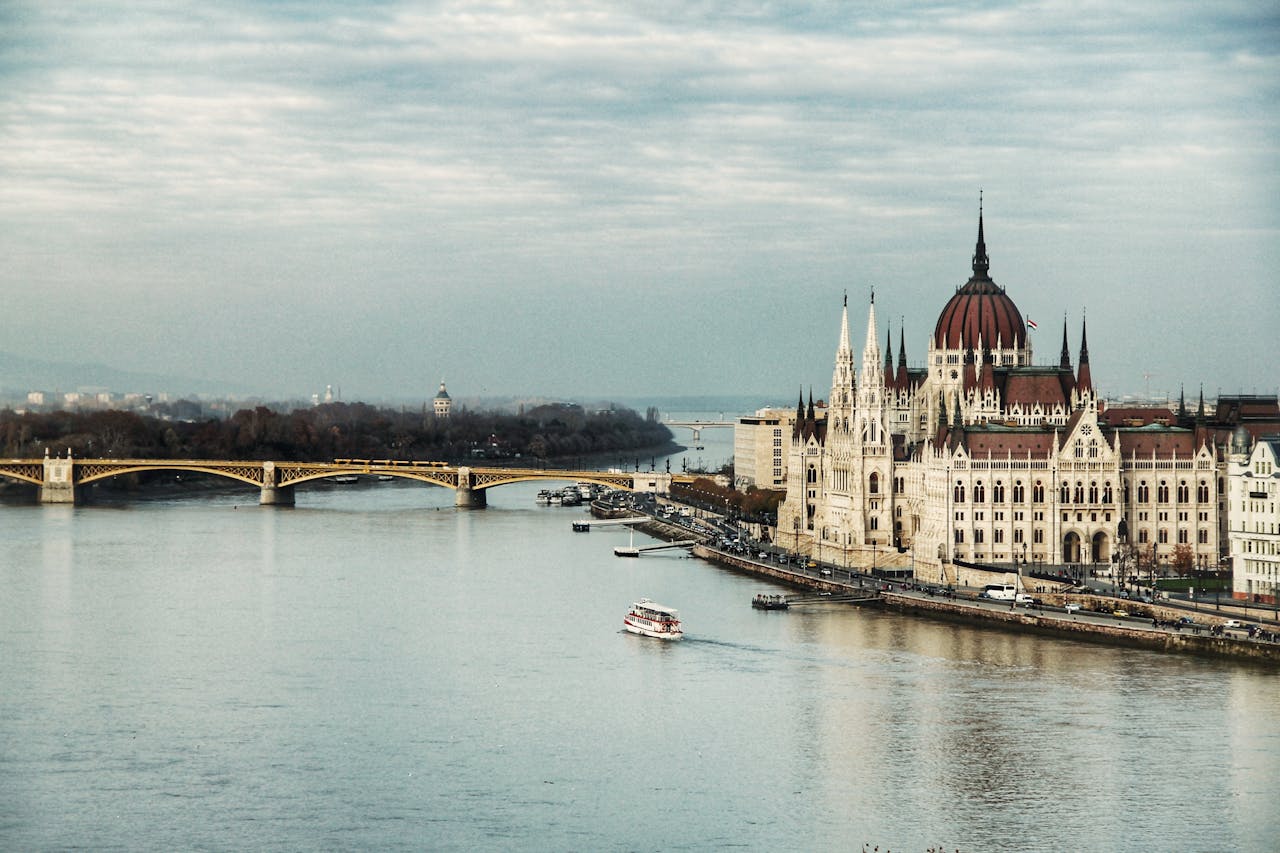
Budapest, Hungary
Hungary does not have a great reputation when it comes to LGBTQ+ rights. The national political climate has grown increasingly hostile, with constitutional changes restricting LGBTQ+ protections, bans on public LGBTQ+ gatherings such as Pride, and relentless anti-queer rhetoric from the government. However—and this is a big HOWEVER—Budapest is the exception. The city’s mayor openly supported the latest march, despite the central government’s attempt to ban it.
Budapest remains one of the region’s most visited and internationally oriented cities, while being budget-friendly compared to Western capitals, with cheap accommodation, food, nightlife, and attractions like the Hungarian Parliament Building, Buda Castle, and its iconic thermal baths that can be visited for very little money.
On the Pest side of the Danube, gay bars like Why Not Café and Habro Bar, larger clubs such as Alterego, and recurring parties like Heel Budapest Queer Pop and Triton Circuit draw in LGBTQ+ crowds throughout the year. And the city’s famous ruin pubs are bastions of bohemian expression, often packed with artsy queer people and allies. There’s even a dedicated gay sauna in the form of Magnum for those who want more to investigate if the hung truly belongs in Hungarian.
Sofia, Bulgaria
Sofia is known as “a city of tolerance,” which is a selling point all on its own. Bulgaria’s laid-back capital is one of Eastern Europe’s most underrated budget-friendly city breaks. Set beneath Mount Vitosha, the city blends Roman ruins, Ottoman mosques, Soviet architecture, and glittering Orthodox churches like the iconic Alexander Nevsky Cathedral—all walkable and often free or low-cost. Cafés, bakeries, and local restaurants make eating out easy on the wallet, while mineral springs bubble up right in the city center.
Sofia’s gay scene is small but welcoming. A handful of LGBTQ-friendly bars and clubs, such as Essence and Yalta Club, form the heart of queer nightlife, especially on weekends. The vibe is relaxed and community-oriented rather than flashy. Pride Sofia takes place each summer and has grown steadily, signaling increasing visibility and openness. While Bulgaria remains socially conservative, Sofia feels safer and more progressive than the rest of the country. For travelers seeking history, nature, affordability, and a low-key queer scene, Sofia delivers surprising charm.
Bucharest, Romania
Bucharest is often overlooked in favor of Central Europe’s more polished capitals, but for LGBTQ travelers on a budget, that’s part of its appeal. Romania’s energetic capital offers one of Eastern Europe’s best-value city breaks with a bold mix of history and nightlife. Nicknamed “Little Paris,” the city pairs Belle Époque architecture with massive Communist-era landmarks like the Palace of Parliament, one of the largest buildings in the world. Leafy parks, lively cafés, and affordable food and drink make exploring easy on a budget, especially in the Old Town (Lipscani), where nightlife spills into the streets.
Bucharest has Romania’s most visible and active gay scene. Several LGBTQ-friendly bars and clubs, including Apollo111 and Queen’s Club, anchor queer nightlife alongside regular drag shows and themed parties. Bucharest Pride, held annually, continues to grow and reflects the city’s relatively progressive atmosphere compared to the rest of the country.
Cluj-Napoca, Romania
Romania might not be the most gay-friendly country in the world, but it sure does have a growing, visible LGBTQ+ community even outside of its capital.
Located in Transylvania (yes, not far from Dracula’s infamous castle), Cluj-Napoca is often described as Romania’s most youthful and progressive city—and for LGBTQ travelers on a budget, it’s an appealing alternative to the capital. Cluj mixes medieval history with a lively, student-driven energy. Highlights include Union Square, St. Michael’s Church, and the green hills of Cetățuia, which offer panoramic views over the city. Prices for accommodation, food, and transport remain lower than in Western Europe, while cafés and bars feel creative and cosmopolitan.
For creatures of the night, Cluj’s LGBTQ scene is surprisingly active (and passive), with a dedicated gay club in Delirio Club and gay-friendly bars like Insomnia Café and the bizarrely Soviet Union–themed The Soviet!
Warsaw, Poland
Warsaw is historic yet modern, resilient yet constantly evolving—and it’s one of Central Europe’s most affordable large capitals. Poland remains socially conservative, but its capital feels distinctly more open and international. The beautifully reconstructed Old Town (a UNESCO site), the Royal Route, and the striking Warsaw Uprising Museum offer deep dives into history, while leafy parks and riverside boulevards provide respites from chaotic city life. Public transportation is cheap and efficient, and Poland’s food scene is hearty and budget-friendly.
Warsaw has Poland’s largest and most diverse LGBTQ scene. While there’s no single gay district, clubs and bars like La Pose, Glam, and Ramona create a solid nightlife circuit, especially on weekends. Drag nights, pop parties, and community events are easy to find.
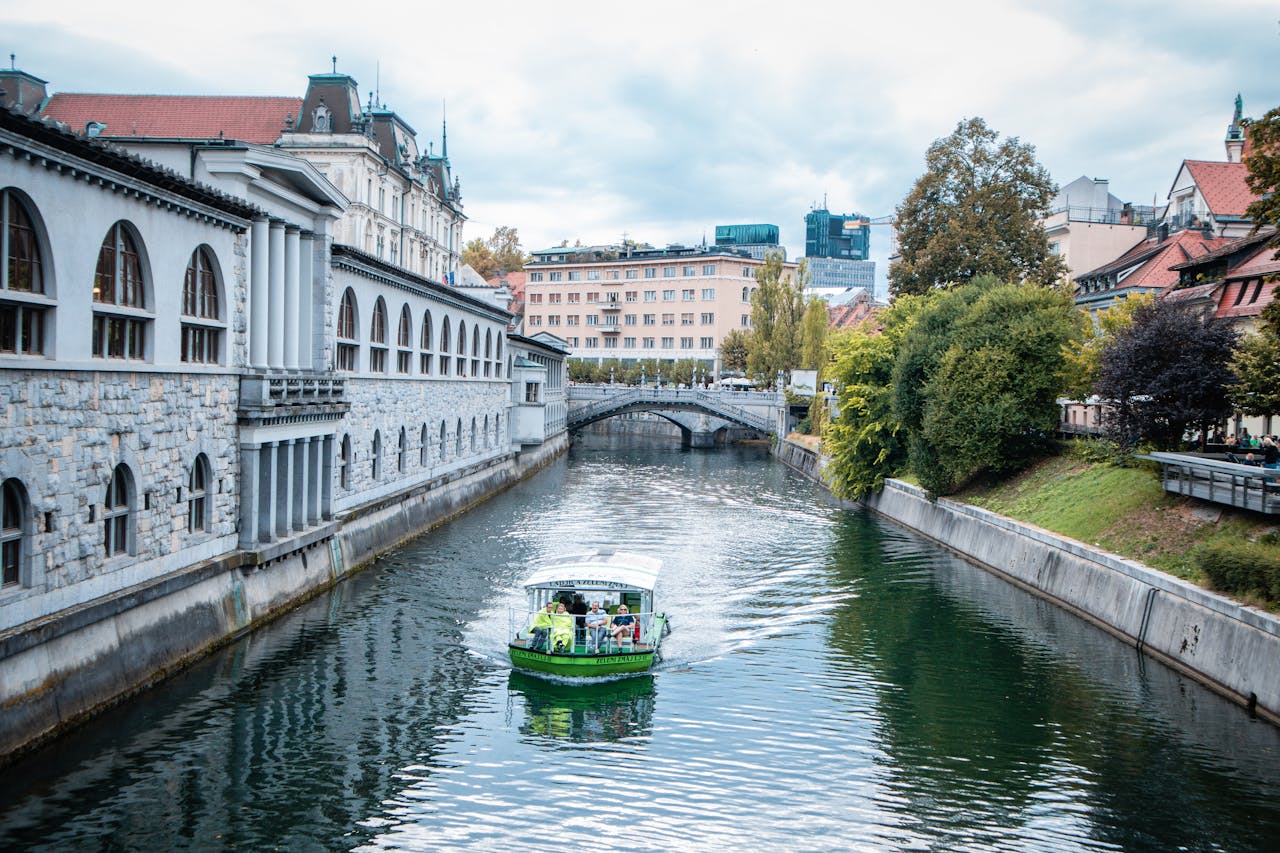
Ljubljana, Slovenia
Ljubljana is the name on everyone’s lips, even if they don’t know how to pronounce it—which is fair, because it is indeed a stunning, welcoming, and budget-friendly city, currently free from the strains of overtourism. The city center is compact and walkable, wrapped around a picturesque river lined with cafés and bar terraces. Highlights include Ljubljana Castle (reached on foot or by funicular), the Central Market, and the city’s many parks and bridges designed by architect Jože Plečnik. Prices are lower than in Western Europe, and the relaxed café culture makes it easy to linger without overspending.
LGBTQ life in Ljubljana is impressively visible for such a small city. Metelkova, an alternative cultural center, is the heart of the queer scene, home to legendary LGBTQ club nights, bars, and community spaces like Klub Tiffany. The crowd is mixed, creative, and welcoming.
Slovenia is socially progressive by regional standards, and Ljubljana feels safe, open, and youthful. Ljubljana Pride takes place annually and enjoys strong local support. For queer travelers seeking culture, nature, and a friendly, low-key scene, Ljubljana punches well above its weight.
Bratislava, Slovakia
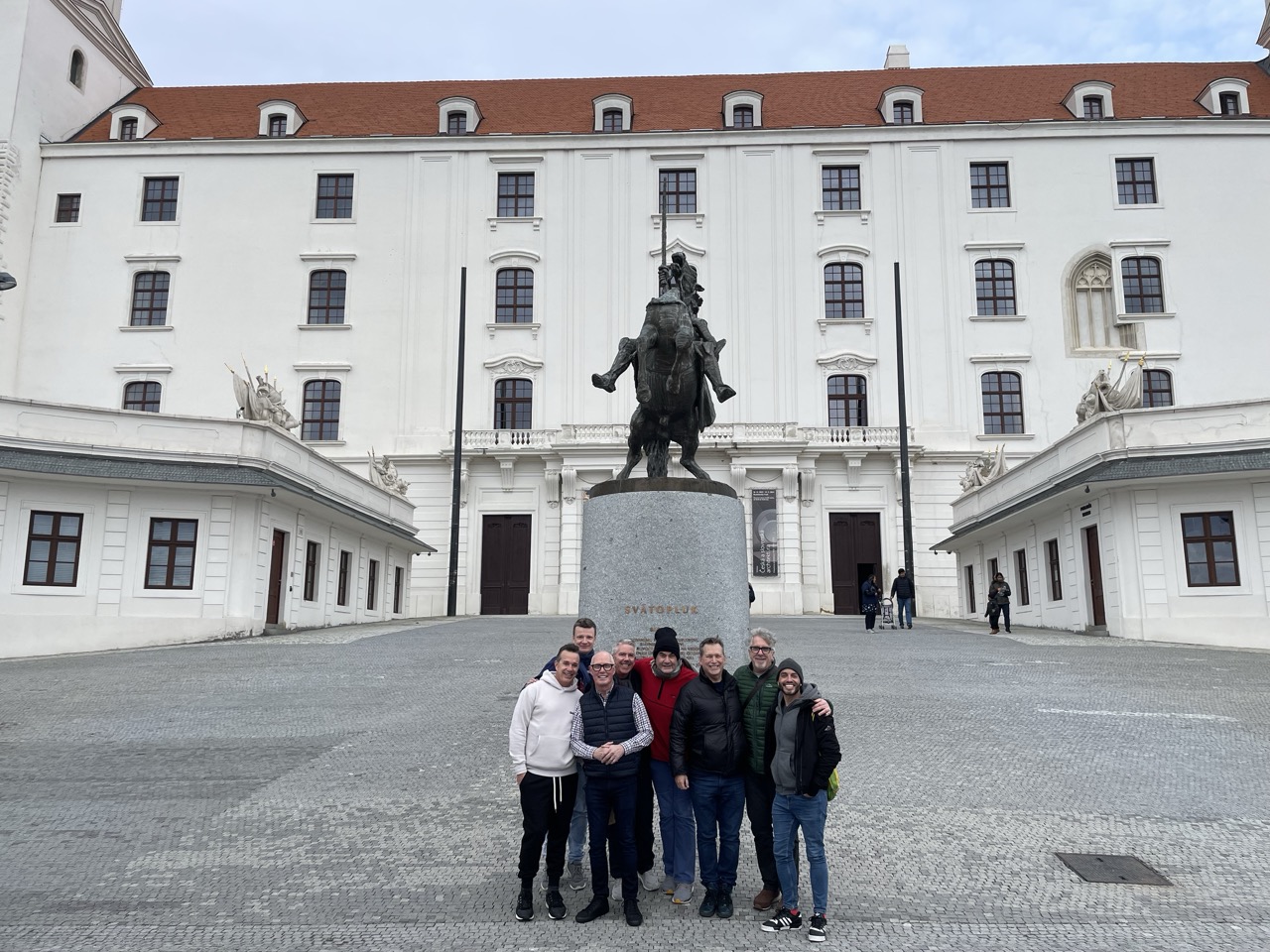
Compact and easygoing, Bratislava is one of Central Europe’s most affordable capital cities—and often overlooked in favor of nearby Vienna. Its charming Old Town features pastel buildings, cozy squares, and Bratislava Castle looking over the Danube. It also looks gorgeous in the winter, sitting upon its snowy perch, and has a beautiful Christmas market for those seeking a festive getaway.
Everything is walkable, food and drink are inexpensive, and day trips to nature or even neighboring countries are simple on a budget. For LGBTQ travelers, the scene is modest but genuine. You won’t stumble into a massive nightlife district, but it has Apollon Club and Homomat (a big monthly event) to bring the gays together, as well as Club Sauna Expert for some late-night action.
Bratislava works well as a “rest city” between bigger nightlife destinations or as a base for cross-border adventures. Its affordability, short distances, and relaxed pace make it a comfortable stop on a longer Eastern European journey.
Tallinn, Estonia
Eastern Europe isn’t usually associated with beach holidays, but Tallinn, on the coast of Estonia and the Baltic Sea, winningly combines beach promenades with medieval walls, cobbled streets, and church spires. Creative, compact, and refreshingly progressive, Tallinn is one of the Baltic region’s most appealing budget-friendly capitals. Prices are higher than in some Eastern European cities but still reasonable, especially for food, transportation, and attractions.
Estonia is among the most socially progressive countries in the region, and Tallinn feels safe and open for LGBTQ travelers. Tallinn Pride (Baltic Pride rotates here) adds visibility and color each summer. The LGBTQ scene is small yet visible and welcoming. A few gay-friendly bars and clubs form the core of queer nightlife, such as X-Bar and HELLo Bar, while the subtly named Sauna Club 69 doubles as both a gay sauna and swingers club.
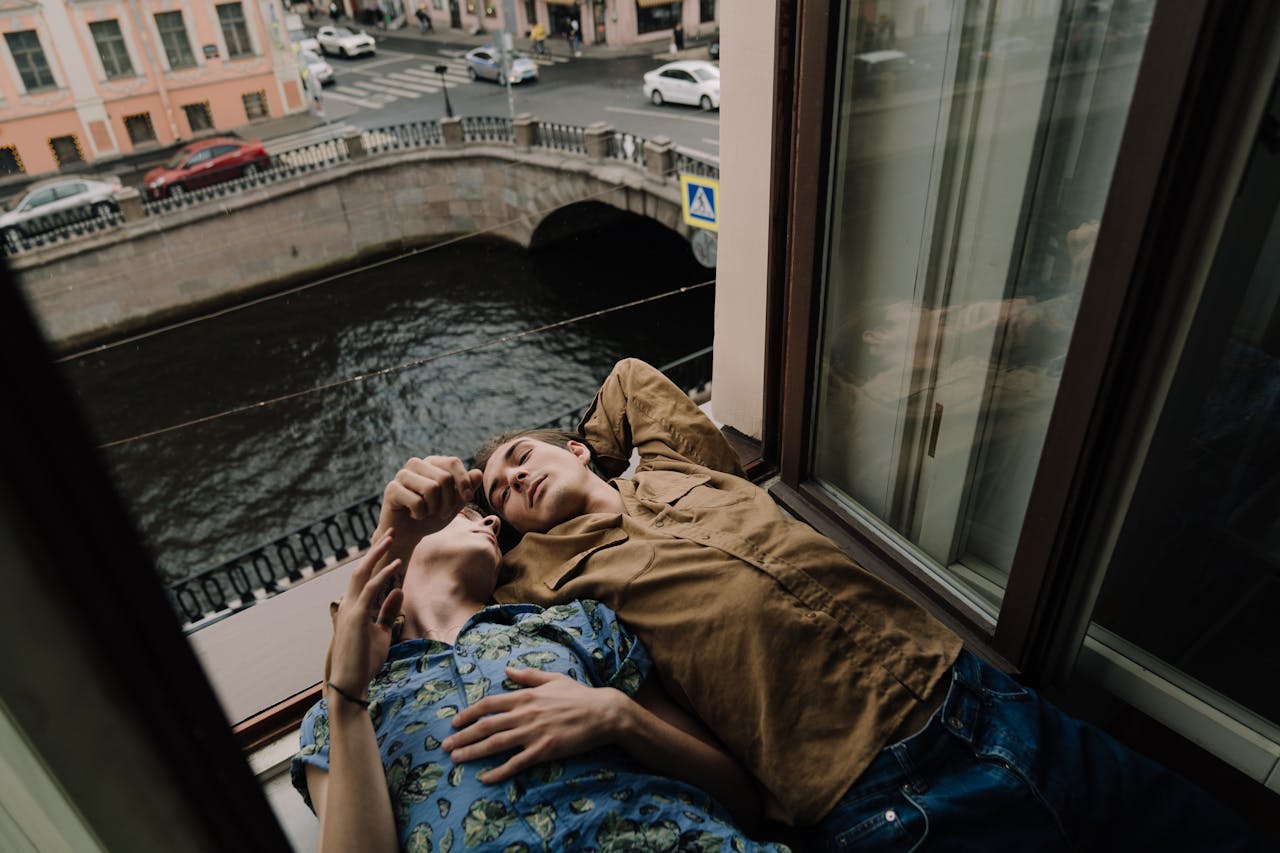
Crossing the Rainbow Curtain
Eastern Europe isn’t a monolith, and it certainly isn’t uniformly hostile to LGBTQ travelers. While legal frameworks and political climates can be discouraging, city-level realities are often far more nuanced—and far more hopeful.
By focusing on larger, more international cities and staying informed about local scenes through queer city guides, gaycations in Eastern Europe have become more possible, and these eight cheap gay-friendly cities prove that budget travel and LGBTQ-friendly experiences don’t have to be mutually exclusive.
FAQ: LGBTQ+ Travel in Eastern Europe
Which Eastern European cities are most welcoming to LGBTQ+ travelers?
While LGBTQ+ rights and social attitudes vary widely across the region, larger, more international cities tend to be the most welcoming. Cities like Budapest, Warsaw, Ljubljana, Tallinn, Bucharest, Sofia, Bratislava, and Cluj-Napoca generally offer visible LGBTQ+ communities, gay-friendly nightlife, Pride events, and a more relaxed, “live and let live” atmosphere—especially in central neighborhoods.
That said, it’s important to think city by city rather than country by country. Even in countries with conservative national politics, capital cities and university towns often feel significantly more open and progressive.
How much should I budget per day?
Eastern Europe remains one of the best regions in Europe for affordable travel. On average, LGBTQ+ travelers can expect to spend:
-
$40–60 USD per day on a tight budget (hostels, street food, public transit)
-
$60–90 USD per day for mid-range comfort (private rooms or budget hotels, dining out, nightlife)
-
$90–120 USD per day for a more comfortable experience (boutique hotels, regular clubbing, attractions)
Cities like Sofia, Bucharest, Cluj-Napoca, and Bratislava are generally cheaper, while Ljubljana and Tallinn tend to be slightly more expensive—but still far more affordable than Western Europe.
What neighborhoods are best to stay in?
For LGBTQ+ travelers, staying central and well-connected is usually more important than finding a specific “gayborhood.” Good options include:
-
Budapest: Districts V, VI, and VII (Pest side)
-
Warsaw: Śródmieście and nearby Praga
-
Bucharest: Old Town (Lipscani) and Universitate
-
Ljubljana: City Center and Metelkova-adjacent areas
-
Tallinn: Old Town and Kalamaja
-
Sofia: City Center and around Vitosha Boulevard
-
Bratislava: Old Town (Staré Mesto)
-
Cluj-Napoca: City Center and student-heavy areas
These neighborhoods tend to be walkable, lively, and close to nightlife, cafés, and public transportation.
Is nightlife safe and easy to access?
In most of the cities featured, LGBTQ+ nightlife is easy to find and generally safe, especially in established bars, clubs, and event spaces. Queer venues are typically located in central areas and attract mixed crowds of locals, expats, and tourists. As anywhere, it’s smart to err on the side of caution at night and take taxis and Ubers between the bars and your hotel.
While harassment is uncommon in LGBTQ-specific spaces, attitudes can change quickly once you leave nightlife hubs—so discretion is still advised in unfamiliar or more conservative neighborhoods.
What cultural norms should I know before visiting?
Eastern Europe is not uniformly hostile, but it is often more conservative than Western Europe, particularly regarding public displays of affection. Some general tips:
-
Limit PDA, especially outside major city centers
-
Avoid confrontations over politics or LGBTQ+ issues in casual settings
-
Dress normally rather than flamboyantly in everyday situations, especially in smaller cities or public transport
-
Follow local cues—if people around you are reserved, it’s best to be too
Inside LGBTQ-friendly bars, clubs, and events, the atmosphere is usually relaxed and expressive. Pride events and queer festivals are also increasingly visible, though they may have a stronger political tone than in Western Europe.

Comment (0)