
Taipei serves Asian excellence on the world stage. You’ll often see the Taiwanese capital topping “most underrated cities” lists, to the point that it's now more of a worst-kept secret than underrated. Its reputation, however, is still most deserved.
For one, Taipei's LGBTQ+ credentials thoroughly check out. Taipei Pride is legendary, attracting 200,000+ LGBTQ+ revelers in October each year, and the Taipei gay scene—centered around the Ximen Red House—has a myriad of gay bars and clubs to choose between, from poptastic dancefest bars to the kind of industrial-looking fetish clubs you’d find in the likes of San Francisco or Berlin.
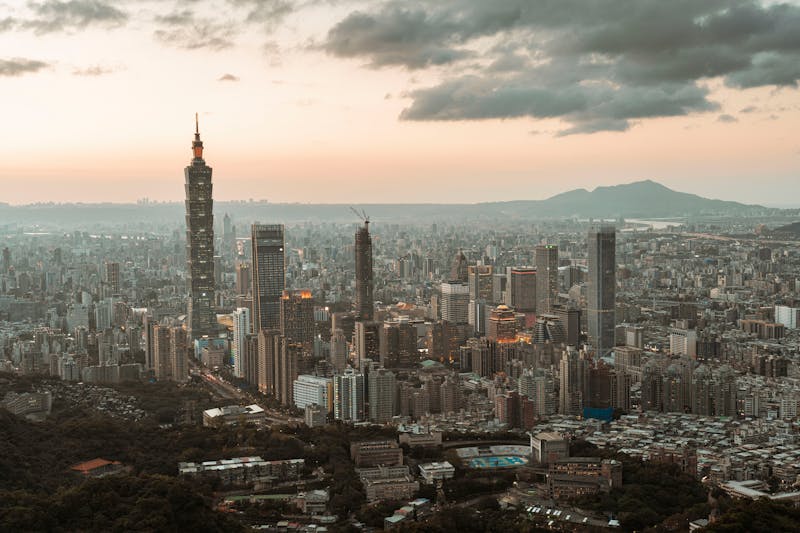
Taiwan in general is pretty progressive and one of the most LGBTQ+-friendly countries in Asia. In 2019 it made history by becoming the first country in Asia to legalize same-sex marriage. As such, it is not uncommon to see gay couples hand in hand throughout Taipei, living their best gay lives. But as well as being progressive, Taipei is culturally rich and yet accessible in a way China isn’t. It’s chaotic yet kind, ancient yet electric. The center looks high-tech, with all the glassy skyscrapers that come with that, but centuries-old temples also fill vast squares, and night markets turn sidewalks into open-air kitchens peddling scallion pancakes, noodles, stinky tofu, and the best dumplings you’ll ever taste. Mountains cradle a city that seems permanently mid-invention without losing the culture that makes it so special.
Sold yet? Well, here’s a guide to help you plan your trip to one of our very favorite destinations in Asia.
Contents
1. General Tips
2. Transportation & Airport Transfer
3. Gay Hotels in Taipei
4. Sightseeing & Activities in Taipei
5. Taipei Gay Tours
6. Restaurants and Cafes
7. Taipei Gay Bars and Clubs
8. Taipei Gay Saunas & Cruising Bars
9. Gay Beaches near Taipei
10. Gay Events in Taipei
11. Day Trips from Taipei
General Tips
You can have a good time in Taipei whenever you visit, but the best time to visit Taipei is during the cooler months from October to April, when temperatures are more comfortable for exploring the city and possibly hiking the mountain trails around it (which you most definitely should).
October is especially popular thanks to Taiwan Pride, the largest LGBTQ+ event in Asia, which draws tens of thousands of visitors from around the world. Really, you have to experience it at least once. Although, as the world’s worst-kept secret, expect to queue twice as long to enter Taipei’s bars and clubs that weekend.
The city has a relaxed, open-minded atmosphere, and the local queer community is visible and active—especially in the Ximending area, which is home to many of Taipei’s gay bars, cafés, and outdoor hangout spots with big terraces (around the big red theater house you can’t miss). While the scene isn’t huge, it’s social, welcoming, and easy to navigate, making it simple for visitors to meet locals and other travelers. Public attitudes toward LGBTQ+ people are generally positive, particularly among younger generations.
The influx of tourists and foreign residents means that you can usually find someone in the center who speaks English, but don’t always count on it. The language isn’t the easiest to learn for Westerners, but a little smiling and pointing can go a long way. Note that the currency in Taiwan is the NTD (New Taiwan Dollar), and as always you’d be best served getting some in physical cash before you arrive.
Transportation & Airport Transfer
Most international travelers arrive at Taiwan Taoyuan International Airport (TPE), located about 40 km (25 miles) west of Taipei. The easiest and fastest way to reach the city center is via the Taoyuan Airport MRT, which connects the airport to Taipei Main Station in about 35–40 minutes. Taxis are also available outside the arrivals hall and take around 40–50 minutes depending on traffic, though they can be expensive.
Once in Taipei, getting around is simple thanks to the efficient MRT (metro) system, which is clean, safe, and easy to navigate—even for first-time visitors. Once you arrive, get yourself a transit card (the aptly named “Easy Card”) and you can get anywhere in the city within an hour. They cost $100NTD plus a single trip typically costing between NT$20 and NT$65 depending on how far out you travel.
Gay Hotels in Taipei
There are few specific gay hotels in Taipei, but most are LGBTQ+-friendly.
Luxury
Kimpton Da An Taipei- an IHG Hotel – A sleek boutique hotel in the stylish Da’an district, just steps from Zhongxiao Fuxing MRT. Opened in 2019 as the first Kimpton property in Asia, it has just 129 rooms and feels more like a designer hideaway than a big chain hotel. Rooms are calm and contemporary with wood textures, modern bathrooms, and plush bedding. Facilities include a small gym, rooftop terrace, and The Tavernist, a highly regarded restaurant and bar. The vibe is intimate, polished, and politely cool. Kimpton’s famously inclusive culture (and being Travel Proud certified) means LGBTQ+ travelers are warmly welcomed.
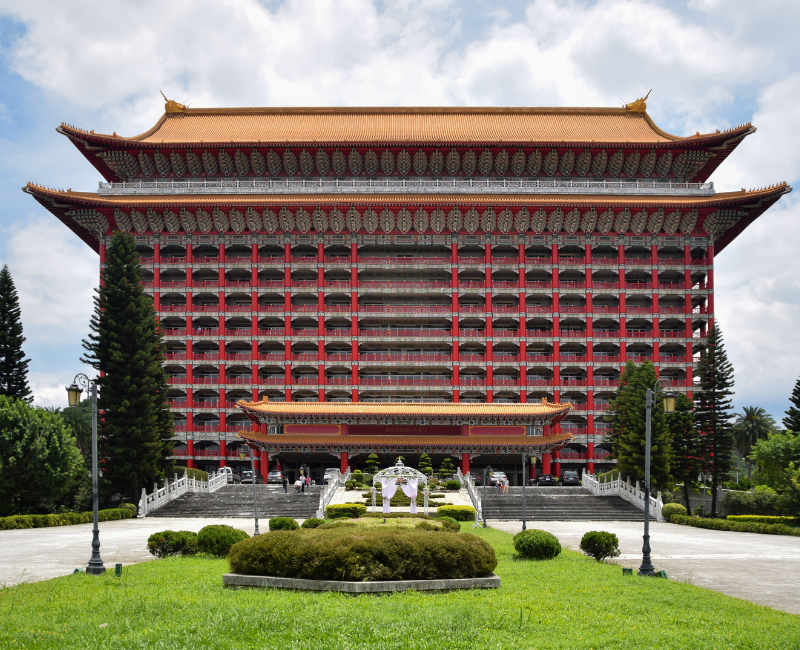
The Grand Hotel – Those wanting the full Taiwanese experience however, and who have the cash to splash, should consider one of Taipei’s most iconic stays, famous for its dramatic red-pillared palace architecture overlooking the Keelung River. Originally built in 1952 to host foreign dignitaries, it still feels grand, with soaring dragon-adorned ceilings, sweeping staircases, and panoramic terraces. Rooms are spacious and traditional, many with balconies and city or river views, though the décor leans classic rather than ultra-modern. Facilities include several Chinese and Western restaurants, a pool, fitness center, tennis courts, and secret historical tunnels tours.
Mid-Range
Hotel Midtown Richardson – This large, modern hotel in the heart of Ximending, just a short walk from the Ximen MRT station. The main draw is the location: you’re literally steps from the gaggle of gay bars around the Red House. The hotel has more than 500 comfortable and contemporary rooms, plus a restaurant and 24-hour front desk. The vibe is busy and practical rather than boutique. Staff are professional, and LGBTQ+ travelers should feel perfectly comfortable here. It also seems to be one of the hotels of choice during Pride.
citizenM Taipei North Gate – A Travel Proud certified, sleek, tech-forward boutique hotel near Taipei Main Station that's also a short walk from the Ximending gay nightlife district. Designed for modern city travelers, rooms are compact but cleverly laid out, with wall-to-wall windows, huge king-size beds, and iPads to control lighting, blinds, and temperature. Facilities include the 24-hour canteenM bar-restaurant, stylish communal lounges filled with contemporary art.
Budget
Rainbow Hotel – This simple, budget-friendly hotel is also located just a few minutes’ walk from Ximen MRT and the Red House gay area. Rooms are clean and comfortable but fairly basic, with air-conditioning, Wi-Fi, fridges, and TVs. Facilities are limited but include a 24-hour front desk and complimentary snacks and drinks for guests. The vibe is practical rather than stylish and it's a solid choice for those looking to save money while staying in the center.
MEANDER Taipei Hostel – A stylish, social hostel a short walk from the Ximending district and its gay nightlife around the Red House. Popular with backpackers and solo travelers, it has a relaxed, community vibe centered around a large lounge where guests hang out, play games, and meet fellow travelers. Dorms and private rooms are modern and clean, with comfortable bunk beds, privacy curtains, personal lights, and USB sockets. Facilities include a shared kitchen, laundry room, rooftop terrace, and fast free Wi-Fi.
Sightseeing & Activities in Taipei
Taipei 101 – The city’s most recognizable landmark and once held the title of the world’s tallest building. Inspired by the shape of a bamboo stalk, the 101-story tower dominates Taipei’s skyline and offers some of the best views in Asia from its observation deck on the 89th floor—reached via a high-speed elevator (one of the fastest in the world). Inside you’ll also find a luxury mall packed with designer brands, cafés, restaurants, and the largest tuned mass damper in the world (a giant steel ball that blessedly keeps the tower from swaying). Book Tickets →
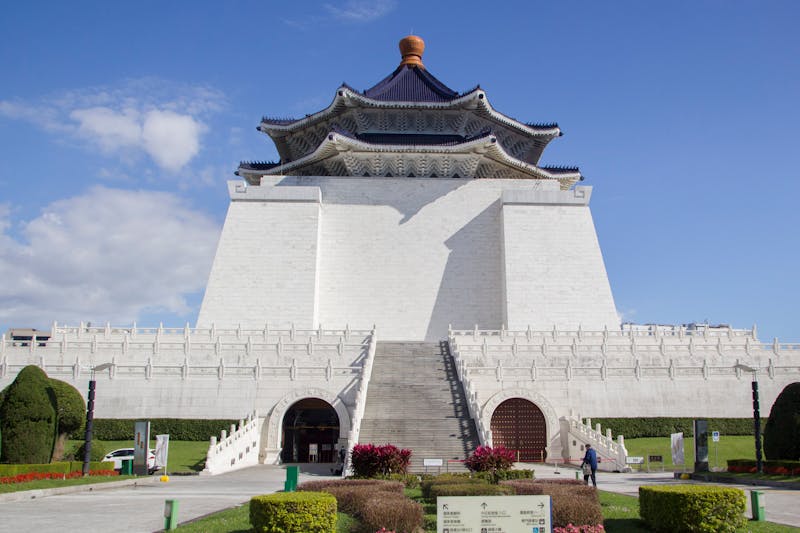
Chiang Kai-shek Memorial Hall – On the flipside, the other most well-known building in Taipei is rooted in ancient history, set in the vast Liberty Square and framed by grand ceremonial gates, gardens, and reflecting pools. Built to honor former Taiwanese president Chiang Kai-shek (a controversial figure to say the least), the striking white monument with its blue-tiled roof draws inspiration from traditional Chinese architecture. Climb the long staircase to reach the main hall, where a large bronze statue of Chiang sits guarded by ceremonial soldiers, with an hourly changing of the guard that attracts crowds. The surrounding square is popular with locals exercising, practicing dance, or simply relaxing, making it both a historical site and a lively public space. Book Tour →
Longshan Temple – One of Taipei’s most atmospheric and beloved temples. Built in 1738, it blends Buddhist, Taoist, and folk traditions, making it a lively place of worship rather than just a historic site. Locals come here to pray for love, luck, health, and success—especially students before exams. Inside, you’ll find intricate carvings, curling incense smoke, and beautifully detailed rooftops guarded by dragons. The temple survived earthquakes, fires, and even WWII bombings, which adds to its legendary status. Located in the historic Wanhua district, it’s surrounded by night markets and street food to head down to after you are done. Book Tour →
Confucius Temple – Yes, there are as many temples in Taipei as churches in Eastern Europe (or it feels that way). This one, near Dalongdong, honors the great Chinese philosopher Confucius and reflects his values of education, harmony, and respect. Unlike many other temples, it’s quiet and free of incense, giving it a peaceful, scholarly atmosphere. The architecture is elegant and symmetrical, with red columns, carved stone details, and a beautiful courtyard. Visitors can explore exhibits about Confucian philosophy and traditional rituals. It's also free to enter!
Tu'er Shen Temple (Gay Rabbit Temple) – Ok, one more temple because this one is dedicated to Tu’er Shen, the Chinese “Rabbit God” believed to watch over love between men, earning it the affectionate title of Taipei’s “gay temple.” Small but meaningful, it’s one of the only places in the world where LGBTQ+ relationships are honored through traditional Chinese spirituality, so well worth popping into. You'll find it in the Zhonghe District of New Taipei City on the 8th floor of an office building. Book Tour →
National Palace Museum in Taipei – This impressive museum houses one of the world’s largest collections of Chinese imperial artifacts, spanning thousands of years. Visitors can admire exquisite jade, ceramics, paintings, and calligraphy once owned by Chinese emperors. Book Tour →
Shilin Night Market – There are plenty of amazing night markets in Taipei (it's kind of their thing), but Shilin is the biggest and most famous of them all. As the sun goes down, the streets fill with glowing food stalls, loud vendors, and hungry crowds on the hunt for the best dumplings, oyster omelets, fried chicken cutlets, stinky tofu, and bubble tea. Beyond food, there are also clothing stalls, games, and quirky souvenirs.
Beitou Hot Springs – Ease those muscles, or sweat out a hangover by heading over to Beitou, the city’s famous hot spring area. Just a short metro ride away, this relaxing district is known specifically for its natural geothermal baths, whose steaming mineral waters are believed to help with circulation and muscle aches. The area also has pretty parks, historic bathhouses, and the Beitou Hot Spring Museum, which tells the full story of the region’s spa culture.
Elephant Mountain – The best views of Taipei (besides those from Taipei 101) can be reached via a short hike just outside the city. Elephant Mountain (Xiangshan) is a short but steep trail, and after climbing a series of stone steps for about 15–20 minutes, you’ll reach large rock platforms that show off Taipei in all its splendor from the outside looking in. Take the MRT to Xiangshan Station (Red Line), take Exit 2, and follow the signs through Xiangshan Park to the trail entrance.
Ximending District – Taipei’s coolest and most energetic neighborhood, often compared to Tokyo’s Shibuya. Ximending is a lively pedestrian district packed with street food, fashion shops, movie theaters, and a fair few gay bars. You’ll see street performers, pop-up stalls, and plenty of places to grab snacks or bubble tea while wandering around. The neighborhood also has a bit of history, with buildings from the Japanese colonial era mixed in with modern shops.
Dadaocheng District – Conversely, this neighborhood is Taipei’s oldest and most historic. Dadaocheng was once the city’s main trading area, and today its streets are lined with beautifully restored merchant houses from the late 19th and early 20th centuries. The heart of the district is Dihua Street, where you’ll find traditional medicine shops, tea stores, fabric stalls, and old-style bakeries. They are rightly proud of their tea here, and you'll find tea factories and even a museum dedicated to the good brew called the Sin Hong Choon Tea Museum. Book Tour →
Taipei Gay Tours
(LGBT+ Tour) Underground Taipei Tour – If you want to see Taipei’s queer side beyond the usual bars, this guided evening tour dives into the city’s underground LGBTQ+ culture. You’ll explore the artsy Treasure Hill Artist Village, visit the famous Tu'er Shen Temple (the Rabbit God temple that blesses same-sex couples), snack your way through a night market near National Taiwan University, then finish the night at a live music venue and a drag show. Book Tour →
Restaurants and Cafes
Mala Yuanyang Hotpot – The best hot pot experience in Taipei, this restaurant has that large dining room feel to it. The tables have built-in hot-pot burners where guests cook their own food in simmering broth. The restaurant is famous for its “yuanyang” hot pot, which has two broths in one pot, usually spicy mala soup and mild herbal soup. Diners can cook beef, seafood, vegetables, and tofu at the table.
Din Tai Fung – Perhaps the most iconic restaurant in the city, Din Tai Fung has the best dumplings in the world (we'll die on that hill). What makes it unique is you can watch the xiao long bao (soup dumplings) being prepared by chefs through glass windows to the kitchen. Din Tai Fung started as a small cooking oil shop and grew into a world-famous dining brand. There are multiple branches around the city with the most central found in the Xinyi District.
Ay-Chung Flour Rice Noodles – While we are being specific this famous street-stall is the very best place for noodles in the city (and is located close to the gay bars in the Ximending district). The shop is small and simple, with no seats, so customers usually stand outside while eating. Its flour rice noodles are served in a thick, savory broth made with bonito and pork stock. Diners can add garlic, chili sauce, vinegar, or vinegar sauce for extra flavor.
Somebody Café – This cozy café hidden on the second floor of a building in Taipei’s Ximending district is popular with creative types (and there's always a handful of LGBTQ+ folk that fit into that bracket) for its artistic design and calm environment. It originally began as an illustrator’s studio and now also hosts small art displays. The interior is filled with plants, natural light, and art from local artists. The menu includes brunch dishes, waffles, pizza, omelets, cakes, coffee, tea, and specialty drinks, which are freshly prepared for guests.
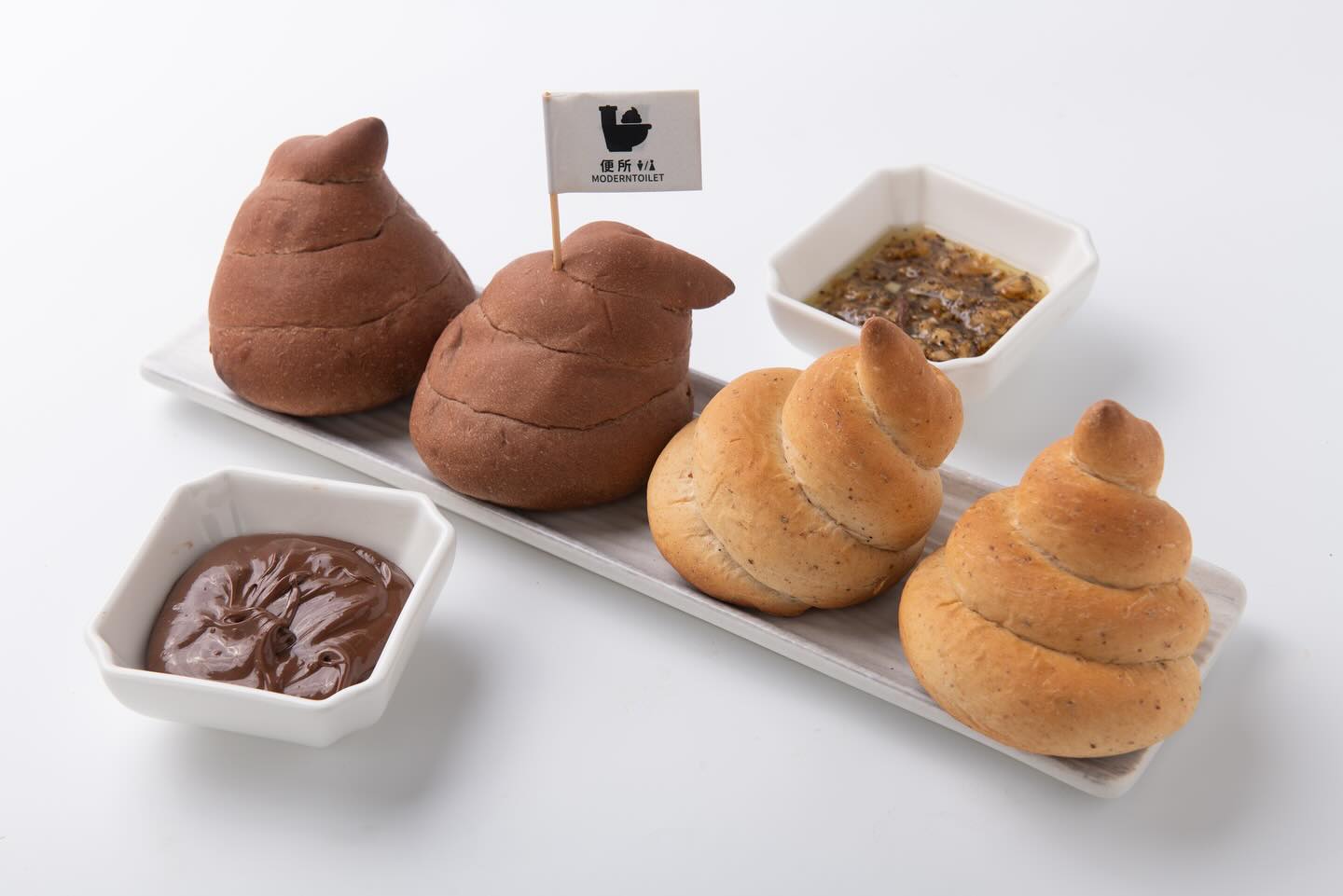
Modern Toilet Ximen – Yes, you read that right. This is a toilet themed restaurant. Most definitely Taipei’s most unusual themed restaurants, the interior looks like a colorful bathroom, with tiled walls, showerheads, and decorations shaped like cartoon poop. Guests sit on toilet-shaped chairs, eat at tables designed like sinks and eat from miniature toilet bowls, while drinks come in cups shaped like urinals. Luckily the food isn't s**t though and the menu includes dishes such as curry rice, pasta, fried foods, desserts, and ice cream shaped like poop.
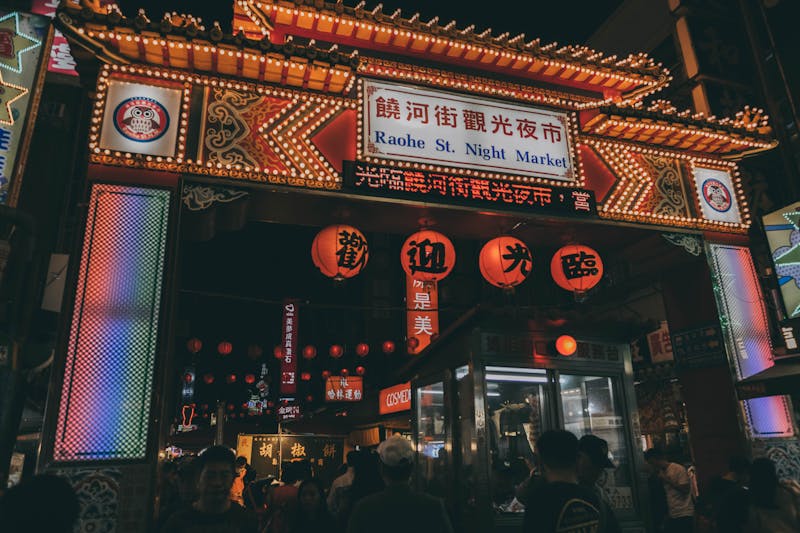
Night Markets – Eating at one – or more – of Taipei's night markets is mandatory to get the full Taiwanese experience. The lively open-air markets come alive in the evening with bright lights, food stalls, and large crowds. Visitors walk through narrow lanes while trying different Taiwanese street foods such as bubble tea, stinky tofu, oyster omelets, fried chicken, and scallion pancakes. Night markets are famous because they combine food, shopping, and entertainment in one place. The most popular are:
- Ximending Night Market – lively shopping district with street food, shops, and street performers.
- Ningxia Night Market – famous for traditional Taiwanese snacks and classic dishes.
- Raohe Street Night Market – known for pepper pork buns and long rows of food stalls.
- Shilin Night Market – the largest and most famous night market with many food choices and shops.
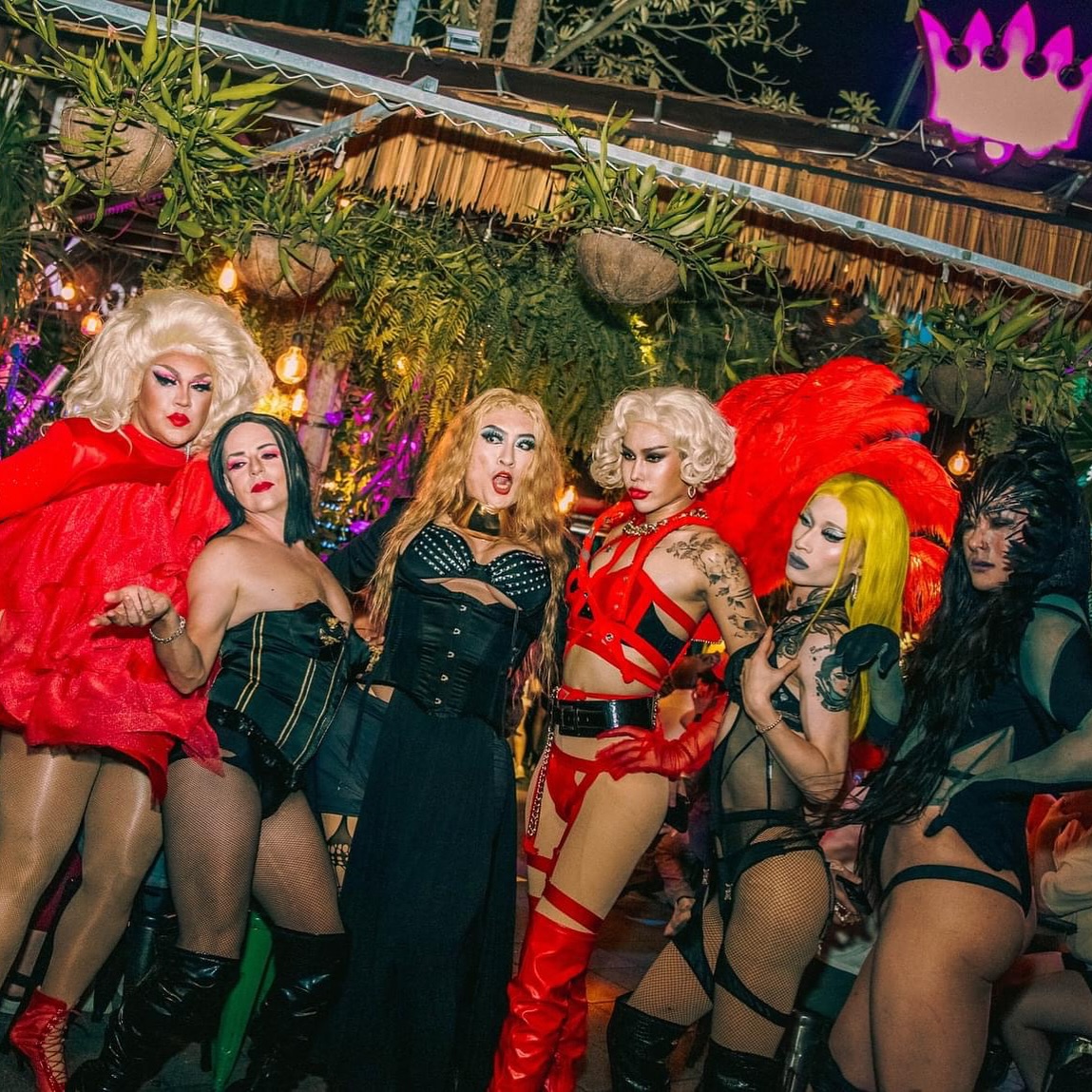
Taipei Gay Bars and Clubs
Most of Taipei’s gay nightlife is centered around the Red House district in Ximending, the city’s main LGBTQ+ hub where 25+ gay bars sit side-by-side, making it easy to hop from venue to venue in one lively evening.
Café Dalida – Gay but unmistakably Taiwanese, this bar has the best reputation among the Ximending gay bars. Its leafy courtyard and deity statues contrasts with neon-lights, giving it the modern yet culturally rich feel the city as a whole has. During the evening, the outdoor terrace fills and they often host themed nights, drag performances, and DJs. Café Dalida claims to be the very birthplace of drag in Taipei and it certainly seems to have the best shows!
G Star Club – The most popular gay club in Taipei. And it's popular because it's a lot of fun. Hidden behind a modest entrance, it opens up into a neon-lit, two-floor “gay megaclub” packed with K-pop, drag shows, go-go boys and synchronized dance crews taking over the stage.
Commander D – What does the “D” stand for? Well, you can place your bets now. This bar has a Berlin-style industrial aesthetic with just-for-show fetish paraphernalia like a St. Andrew's cross and cages to give it personality. The crowd are very mixed and it's more about drinking in a cool environment than sex… although there is a darkroom to the side if the mood should take you.
Fairy Taipei – “It Takes BALLS to be a fairy!” At least that's what it says on the wall at this bar, which sets the tone nicely. In other words, it's camp and doesn't take itself too seriously. After 10pm it transforms into a lively LGBTQ+ hotspot filled with pop music, drag energy, and a friendly diverse crowd. They also serve a mean cocktail – especially their signature rum, blackcurrant liquor and berry cocktail.
G Paradise – This chill bar tucked behind the Red House in Ximending is all about settling into a warm, social groove with a nice terrace and a dimly lit area full of comfy seating inside. It's especially popular with bears, but really you'll get a diverse crowd here in general, enjoying a cocktail on the terrace.
Locker Room – A cheeky show bar that's wall-to wall fun. Admittedly there’s not a lot of space between those walls and it gets crowded, but it's worth it for the shirtless bar staff, go-go boy dancers on the bar, drag acts, and occasional shower shows.
Hero – For more of your typical – yet reassuringly familiar – gay bar vibe, Hero is a solid choice. It's small, has a polished interior, good lighting, and a soundtrack of pop and house. The crowd is mixed and the type that are there for a few drinks before moving onto a club.
C.U.M Create Ur Mmmagic – A club night organiser rather than a specific night or place who regularly run the best queer nights in the city. They host big name international drag queens, LGBTQ+ techno DJs, ballroom runways and more. Keep an eye out for their events, especially during Pride.
Taipei Gay Saunas & Cruising Bars
Hunt – This spicy cruising bar always has something unique going on. Themed events include naked, small towel nights (and they mean “small” because they make sauna towels look like beach towels), fundoshi nights (a type of loincloth) and even KY Jelly Wrestling (we kid you not). It's a sexual place of course, but one that doesn't take itself too seriously.
Hans Men’s Sauna – The nicest, most comfortable and most central sauna in Taipei, just steps from the Red House LGBTQ+ district. It's multi-level, and has all the hot and cold pools, steam rooms, dry sauna, private cabins, lounge zones, and dark areas a sauna should but also a small theater and karaoke area. Age wise, you can expect a mix here.
Soi 13 In Sauna – Here be gay party boys. Not a criticism but definitely an observation. Soi 13 Inn Sauna is a favorite post-party sauna and even hosts its own. It sits near Ximending but is smaller and more…let's just say focused. The space is compact but well-equipped, with essentials like a steam room, dry sauna, jacuzzi, dark room areas, and private cabins spread across a few floors.
Taipei I/O – One of the newer, more design-forward gay saunas in Taipei, tucked discreetly near the Ximending area. The space feels sleek and curated—clean lines, moody lighting, and a boutique-like layout with facilities such as a steam room, sauna, showers, private cabins, and stylish lounge areas.
Gay Beaches Near Taipei
Shalun Beach (Tamsui) – Just outside Taipei in Tamsui, this quiet stretch of sand is famous for big sunsets over the Taiwan Strait. It’s also Taipei’s unofficial gay beach and clothing-optional. It also might not surprise you to know there's a cruising area nearby (isn't there always) found in the nearby woods.
Gay Events in Taipei
Mega Dragon Boat Circuit Party (MEGA) – One of Asia’s biggest circuit parties, organized around the traditional Dragon Boat Festival in June—now that’s cool and most definitely “mega.” It typically runs 3–4 days with multiple events, including night-time open-air parties, daytime pool parties, and costume-themed events, all with international circuit DJs you either love or you don’t. The combo with the traditionally Taiwanese boat races gives it a unique feel, though. Dates: 29 August – 6 September, 2026.
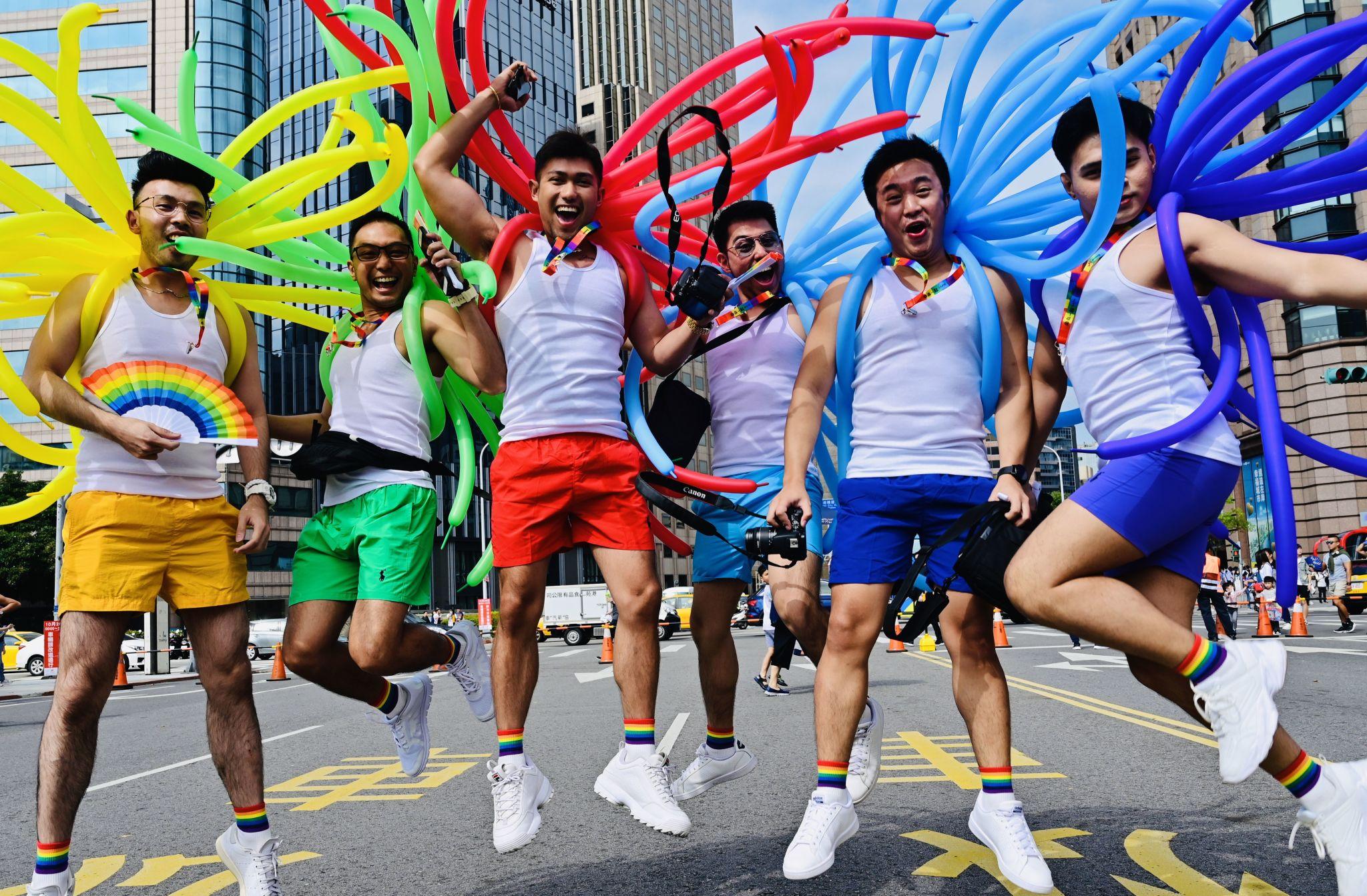
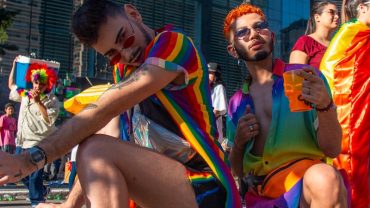
Taiwan Pride (Taipei Pride) – Asia’s largest LGBTQ+ celebration, drawing tens of thousands to Taipei each October for a weekend that feels both political and electric. The main parade is the heart of it—colorful floats, themed groups, and huge crowds marching through the city center. Around it, the party scene explodes with major events like the Formosa Pride Party, the high-energy X-Formosa Rainbow Music Festival, and the sun-soaked WOOW Pool Party. Dates: 31 October, 2026.
NYE Gay Party – Many celebrations center around Ximending and venues near Taipei 101 for New Year's Eve in Taiwan, where crowds gather for the iconic fireworks before heading into packed parties. Events range from large club nights to themed circuit-style parties with DJs, performances, and countdown moments. Dates: 31 December, 2026.
Day Trips from Taipei
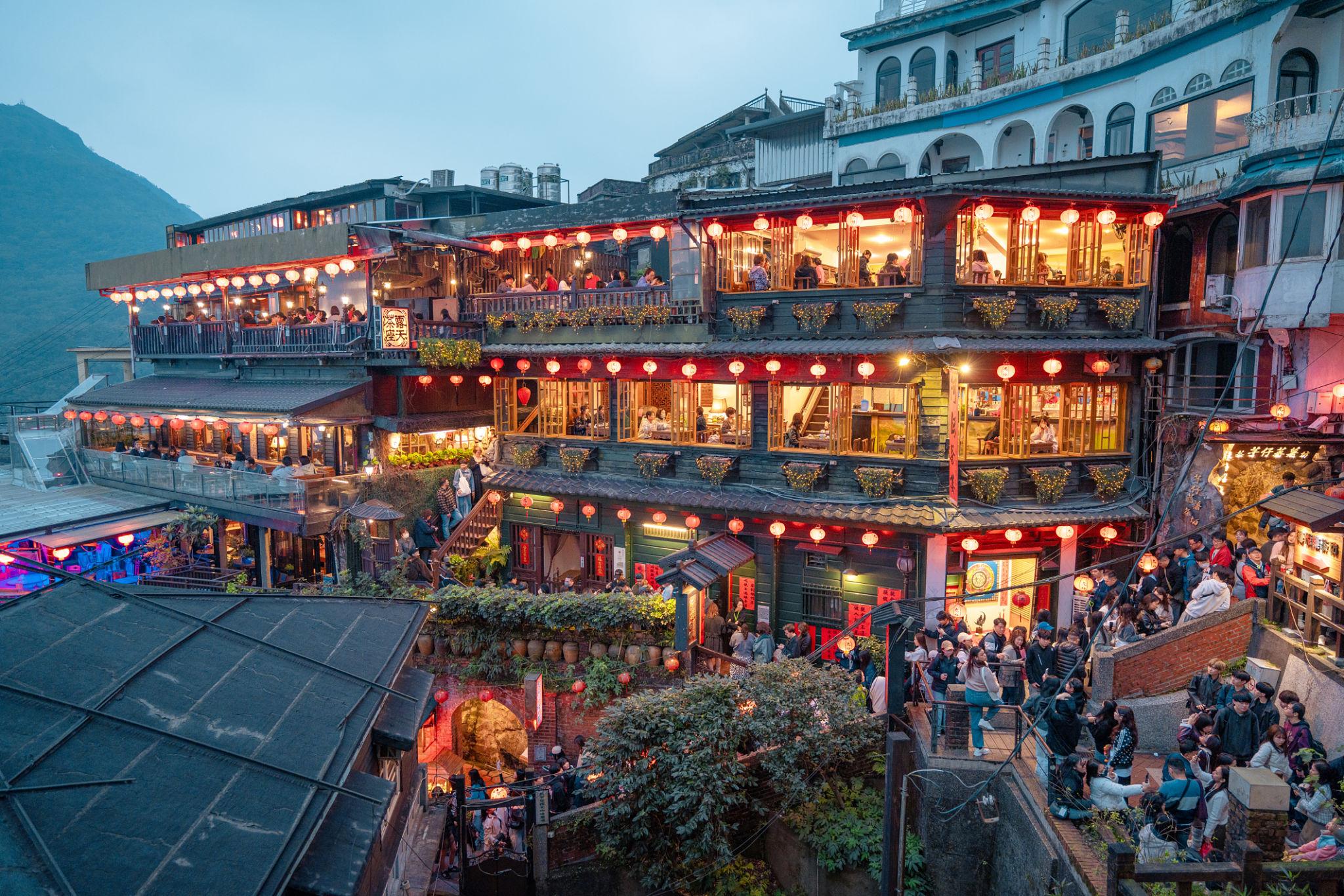
Jiufen Old Street – This serenely beautiful town gives serious Spirited Away vibes (which makes sense as it inspired the Studio Ghibli film)—lanterns glowing, mist rolling over the hills, and teahouses clinging to the mountainside. On a day trip, wander the maze of narrow streets, snack your way through taro balls and peanut ice cream rolls, then settle into a traditional teahouse for slow tea with sweeping ocean views. Stay until dusk if you can—the golden hour here is unforgettable. Book Tour →
Yehliu Geopark – Nature makes its own beauty and this otherworldly, natural sculpture garden was carved by wind and waves over thousands of years. Its standout feature is the bizarre rock formations, especially the iconic “Queen’s Head,” which draws visitors from around the world. Spend a day walking the coastal paths, spotting formations that look like mushrooms, candles, or frozen waves. Book Tour →
Shifen & Pingxi – The small towns of Shifen and Pingxi offer one of Taiwan’s most magical experiences: releasing glowing sky lanterns from active railway tracks. What makes it special is the mix of tradition and setting—lanterns drifting into the mountains while trains occasionally pass through the same street. On a day trip, write your wishes on a lantern and watch it float skyward, explore the old railway towns, and walk to nearby Shifen Waterfall, often called Taiwan’s “Little Niagara.” It’s equal parts scenic escape and cultural ritual, wrapped into one easy journey. Book Tour →
Featured image by Soloman Soh
Note: Some of these links are affiliates which means using them won’t cost you any extra but we do receive a small commission for each referral. You’re not obligated to use them but we appreciate it if you do. Thanks in advance for supporting this site if you choose to use our link!

Comment (0)