
Confidence is not something you either have or you don’t. Nor is it a trait reserved for guys lucky enough to have struck gold on the biological lottery. Confidence—just like our bodies—is something that can be worked on. It can—and should—be shaped, challenged, and strengthened over time. Like so much in life, it is learned, not innate.
However, gay body confidence can feel like a moving target. One minute you’re feeling yourself in the mirror, or dancing with your top off among the sweaty hordes; the next, you’re spiraling because of an offhand comment from a stranger, or feeling knocked down a notch by rejection from a guy you liked, or just hit by a dose of good old-fashioned envy that you’d rather not admit to.
Such fluctuating levels of body self-confidence are way more common than anyone would like to admit, especially out there in the gay scene. Learning to feel sexy, strong, and comfortable in your own skin is a process. It’s about rewiring how you see yourself, challenging unrealistic standards, and building habits that support both your body and your mind.
We explore why that struggle is so real for gay men, what you can do to build your own body confidence, and throw in a few tips for grooming, the gym, and dressing to impress (yourself) while we’re at it.
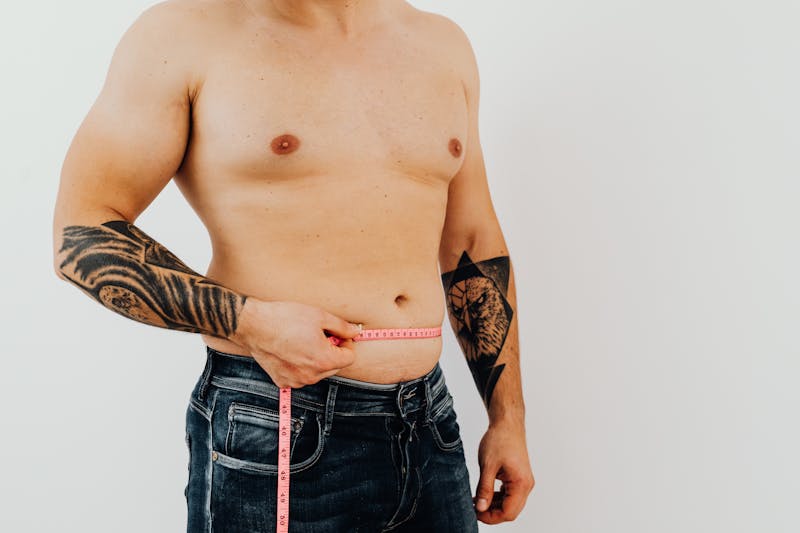
The Complicated Relationship Between Gay Culture and Body Image
Let’s just come out and say it—the mainstream gay scene can be brutal.
It sometimes feels like there's a hierarchy of hotness within an intensely sexual marketplace where attractiveness is the currency and the wealth owned by the lucky 1%. Whether it’s dating apps, clubbing, or social media, there’s an undercurrent of insecurity pumping through the scene’s veins that can leave many guys feeling like they don’t quite measure up.
Why specifically is it like this for gay men? There’s no single answer, but there are a few theories. One is that when you’re attracted to the same sex, it becomes easier—almost automatic—to compare yourself to others. You’re not just noticing someone attractive; you’re measuring yourself against them. Another contributing factor could be the way media and certain subcultures amplify an incredibly narrow definition of desirability: lean, muscular, youthful, and polished. That way, it becomes easier to sell crap to you when you think you need their product in your quest for hotness.
Whatever the reason, the pressure is real. But it’s also worth remembering: what you see isn’t the full picture. Even the most “perfect-looking” guys have insecurities—they’re usually just better at hiding them. And more importantly, that hierarchy? It’s not universal. It shifts depending on the crowd, the city, the vibe. What’s “ideal” in one space might not even register in another.
The bear subculture is a classic example of a scene that built itself on body positivity. It was created directly for bigger, hairier guys who did not feel comfortable in traditional gay spaces. Now it is one of the most popular gay subcultures out there, with a bear bar in every city. Given the choice, always go where you feel wanted and you’ll feel much better for it.
The Confidence Workout
Confidence doesn’t appear overnight; it requires work—especially the kind that isn’t transient and dependent on what attention you might be given on any given night or moment.
A good place to start is with the wisdom of a quote from Theodore Roosevelt: comparison is the thief of joy. He probably did not have the gay scene quite in mind when he said that, but it rings true in that context nonetheless. The more you measure yourself against others, the harder it becomes to appreciate what makes you uniquely attractive.
If you’re struggling to feel confident, try flipping your perspective. Instead of looking at yourself through your own unfairly critical lens, imagine how you appear to the people who are attracted to you—your partner, your hook-up, that guy who couldn’t stop checking you out last weekend. They’re not seeing your “flaws” the way you do. They’re honing in on your other traits, some physical, some not.
And yes, attention feels good. Don’t deny it. We all enjoy validation from people we find attractive. But confidence that relies entirely on external approval is fragile. Real confidence comes from knowing your worth—even when no one’s watching.
Start small: stand a little taller, make eye contact, wear something that makes you feel good, and above all else, learn to be kinder to yourself. Confidence is built and solidified in these quiet, everyday moments. All this is much easier said than done, but neither is it an impossible goal.
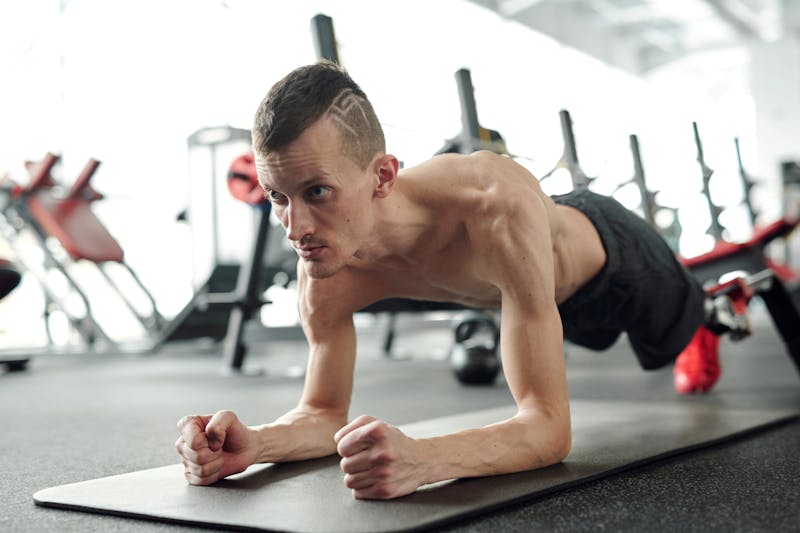
Shaping Up: The Gym Dilemma
Let’s talk about the gym.
Working out can absolutely improve your body image. It boosts mood, increases energy, and can help you feel stronger—physically and mentally.
However, if the main reason you’re hitting the gym, or wherever else you work out, is purely to become more attractive to other men, you’re setting yourself up for frustration. There will always be someone leaner, bigger, or more defined. That’s a race you’ll never win.
The best reason to work out, other than staying healthy perhaps, is so that you feel better in your own skin. That might mean building strength, improving endurance, reducing stress, or just enjoying the routine. When your goal is internal rather than external, the results feel far more satisfying.
And there is no one “ideal” body anyway. If you’re naturally slim, you might never look like a bodybuilder—and that’s fine. If you’re broader or heavier, achieving a super athletic physique might be harder—and that’s fine too. Bodies are different. Genetics are real. And trying to force yourself into a shape that doesn’t suit you is a fast track to burnout. Instead, aim for a version of your body that feels strong, healthy, and sustainable—for you. You can find a routine that fits your body type and age online or through the vast range of apps out there.
To Groom or Not to Groom, That Is the Question
Hairy, smooth, trimmed, au naturel—there’s no single “correct” way to present your body.
Those—sometimes annoyingly specific—subcultures and categories out there in the gay community can actually be a force for good here. The very fact there are bears, otters, jocks, twinks means that every style has its admirers. So the question isn’t “what do others prefer?” but rather: “what do you feel good as?”
If you love being smooth, go for it. If you prefer a natural look, own it. If you’re somewhere in between, experiment until you find your vibe. Grooming should be about self-expression, not obligation. That said, if you are into grooming, getting a good kit made especially for men, like Veet for example, goes a long way, as does a regular morning and night moisturizing routine. If you want to get groomed but don’t have time for it, maybe consider signing up for a men’s spa that does all that waxing for you: back, crack, sack and all.

Sometimes the Clothes Do Make the Man
What you wear can completely change how you feel. This isn’t about being fashion conscious or squeezing into something that—quite literally—doesn’t fit. It’s about finding clothes that work with your body, not against it.
A few simple tips:
Fit is everything—clothes that are too tight or too baggy can throw off your whole look (unless your look is ’90s-era grunge).
Highlight your strengths—broad shoulders? Great legs? Lean into them.
Choose fabrics that feel good—comfort translates into confidence.
Don’t be afraid of personal style—whether that’s minimal, bold, sporty, punk or something else entirely. You don't have to wear the gay uniform of tight vests and those boring shorts that are like push-up bras for butts if you don't want to!
The goal isn’t to impress everyone—it’s to feel like the best most authentic version of yourself, whether you are in the club or at the local supermarket.
Riding the Fine Line Between Confidence and Arrogance
Confidence is attractive. Arrogance… not so much. So what’s the difference?
Confidence comes with empathy. It allows space for others to shine. It doesn’t need to put anyone down to feel elevated. Arrogance, on the other hand, comes equipped with apathy. It’s loud, dismissive, and rooted in comparison. If someone puts you down, it’s often the latter at work, not the former. So don’t take it to heart—it is very much a THEM problem.
True confidence says: I feel good about myself—and I respect you too. It’s grounded, calm, and quietly powerful. Just look at Henry Cavill as the perfect example. When you feel good, be sure to bring others up there with you and listen to those doing the same to you.
Owning Your Confidence
Body confidence isn’t about achieving perfection. It’s about acceptance, growth, and learning to appreciate yourself as you are—while still gradually evolving into who you want to be.
There will be days when you feel incredible. There will be days when you don’t. Check in with yourself and remember to be as kind to yourself as you are with other, celebrate your progress, and surround yourself with people who uplift you.
What matters is consistency—how you treat yourself over time. Because confidence isn’t just about how you look—it’s about how you feel living in your own skin. After all, in the words of those always-wise drag queens: if you can’t love yourself, how the hell are you gonna love somebody else? Can I get an amen up in here… or maybe a few diverse and uniquely beautiful men up in here.
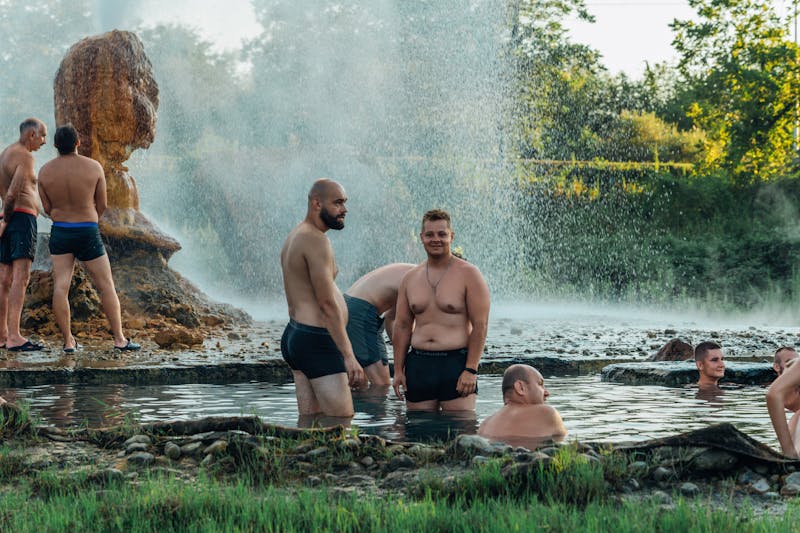
FAQ on Body Positivity
Why do gay men struggle with body image?
A lot of it comes down to comparison. When you’re attracted to the same sex, it’s easy to measure yourself against the people you’re into. Add in dating apps, social media, and a pretty narrow idea of what’s “hot” (lean, muscular, polished), and it can feel like you’re constantly being ranked. The result? Even confident people can feel like they don’t quite measure up. The key thing to remember is that this “hierarchy” isn’t fixed—or universal—and even the guys who seem perfect have their own insecurities.
How can I improve body confidence?
Start small and keep it consistent. Confidence isn’t something you suddenly unlock—it’s something you build. Focus on how you talk to yourself, stand a little taller, make eye contact, and wear things that make you feel good. Try flipping your perspective too—see yourself the way someone attracted to you might. And while validation is nice, don’t rely on it. Real confidence comes from knowing your worth even when no one’s watching. It’s less about becoming perfect and more about being kinder to yourself over time.
Are body ideals harmful in gay culture?
They can be. A super narrow definition of attractiveness can make people feel like they don’t belong, which feeds insecurity across the whole scene. But it’s not the full story. Gay culture is also full of subcultures—bears, otters, jocks, twinks—each with their own idea of what’s attractive. That means there isn’t just one standard, even if it sometimes feels that way. The trick is finding spaces where you feel wanted, not judged. When you do, confidence comes a lot more naturally.
How does fitness impact confidence?
It can help a lot—but only if your mindset is right. Working out boosts your mood, energy, and sense of strength, which naturally feeds confidence. But if you’re only doing it to impress other people, it can backfire fast—there will always be someone fitter. The better approach is focusing on how it makes you feel, not how it makes you look. Build strength, reduce stress, enjoy the routine. When your goals are internal, progress feels way more satisfying and sustainable.
What grooming habits boost appearance?
There’s no single “correct” way to groom—smooth, hairy, trimmed, whatever works for you. The goal is to feel good, not to fit someone else’s preference. That said, a bit of upkeep goes a long way: regular moisturizing, keeping things tidy, and using decent grooming products can make you feel more put together. If you’re into it, professional grooming (like waxing) is always an option too. Think of grooming less as a rulebook and more as self-expression—it should reflect you, not pressure you.
Featured image by Los Muertos Crew.


Comment (0)