
Words have power. The power to bring about change—for better or worse—within the world. A rousing speech can change minds; the right combination of words can compel action. Perhaps most powerfully, though, are the words we use to forge connections with those on the same wavelength as us.
The LGBTQ+ community has honed that power over the years through the fine art of gay slang. We’ve effectively created our own language, one that tends to go right over the heads of our straight counterparts. Some words in our queer lingo go all the way back to the early days of emerging gay culture, when such language was a necessity for survival. Others come from the ’80s/’90s ballroom scene, drag, queer movies, the fetish scene, social media trends, and even memes.
It’s difficult for anyone to keep up with it all. So, we’ve rather helpfully gathered a list of the most commonly used gay slang, queer slang, and LGBTQ+ terms used in the 2020s. You’re welcome!
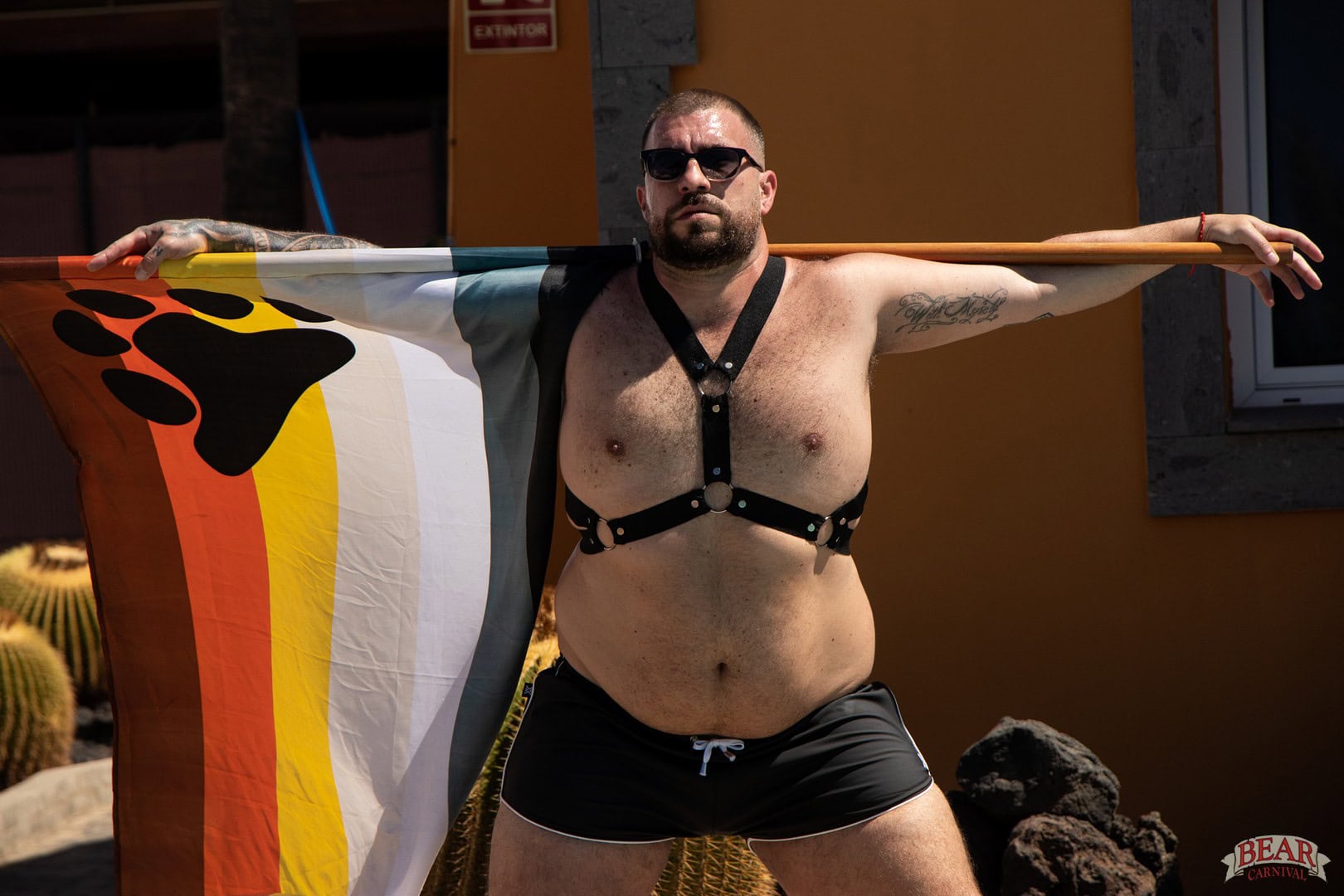
The Who’s Who of Gay Subcultures
We love to put our men into boxes—or, if you are of that persuasion, cages—when it comes to clarifying just what type of gay man they are. Animal parallels are our go-to, but they are far from the only terms we use to identify our cultures within cultures. Just remember not to take it all too seriously, though, as most of them are meant to be a little tongue-in-cheek.
Bear – A larger, hairy, masculine gay man working that rugged, lumberjack aesthetic. Originating in the 1980s in San Francisco, the bear movement emerged as a counterpoint to the more mainstream, often stereotypical image of gay men as being either muscular or slim. Nowadays, bears are perhaps the most visible of all the gay subcultures, and the lucky gits enjoy the most gay bars, clubs, and events catering to them of any gay subculture.
Cub – A younger bear in training. Still fluffy and of a bigger build, but slightly less seasoned.
Otter – Hairy like a bear, but lacking the bigger build? Then you are probably an otter. Often as young as they are lean.
Chaser – Someone who is specifically attracted to bears or bigger men (chubby chaser). Some find the term patronizing and don’t like to be defined by who their partners are, but others embrace it.
Daddy – A confident (often dominant) man. Not necessarily a father, but definitely authoritative. Normally older, but to quote the sex god that is Pedro Pascal: “Daddy is a state of mind!” In other words, age is not a prerequisite for being a daddy. This one has been embraced by the straight community too—nice to know we aren’t the only ones with daddy issues.
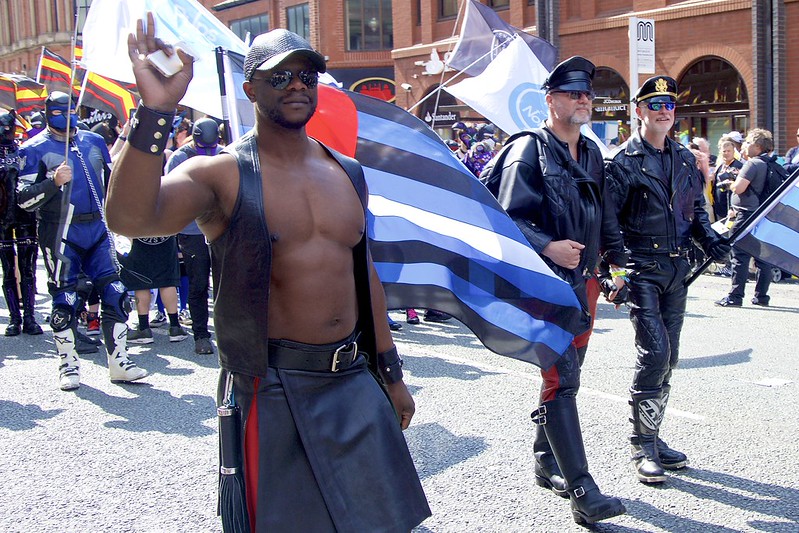
Leather Daddy – See above, but also an aficionado of the leather scene.
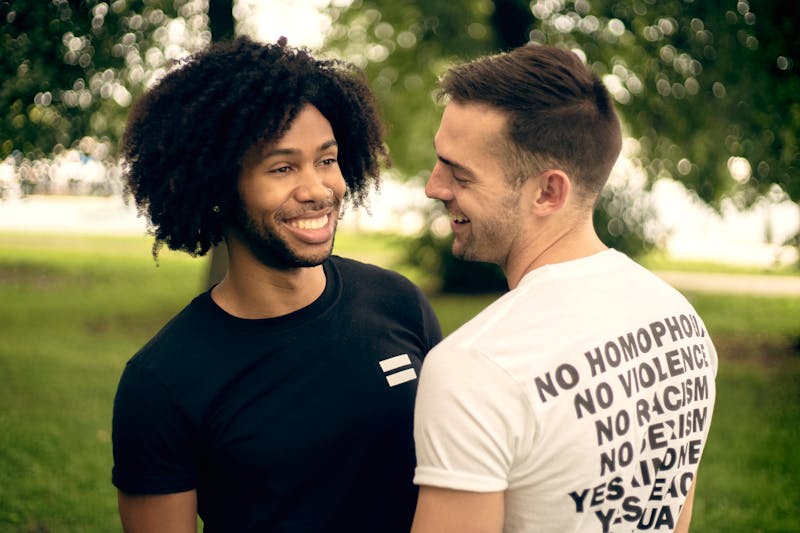
Twink – A slim, youthful gay man with minimal body hair. Young, dumb, and full of… enthusiasm.
Twunk – The Pokémon evolution of twink. In other words, watching their youth slip away, twunks decide to hit the gym and become a buffer version of their previous selves.
Circuit Gay – A regular attendee of circuit parties around the world and the gym when between them. Nearly always built like a brick shithouse. Insultingly referred to as “muscle Maries” by haters.
Wolf – Another animal type out there in the gay wilderness, wolves are lean, muscular, and often exude a more intense, predatory confidence. They like their sex rough and with a side of kinky.
Pup – Someone who adopts a playful, canine-inspired role (or specific personality) as part of puppy play, a type of roleplay within the broader BDSM/kink community. You’ll find them proudly wearing their pup masks, paws, and tails not just in kinky spaces but everywhere open to it, because despite common misconceptions, it isn’t always sexual.
Gaymer – It’s in the pithy title: a gay person who loves gaming. That could be computer games, board games, card games, or sex games… okay, maybe not that last one.
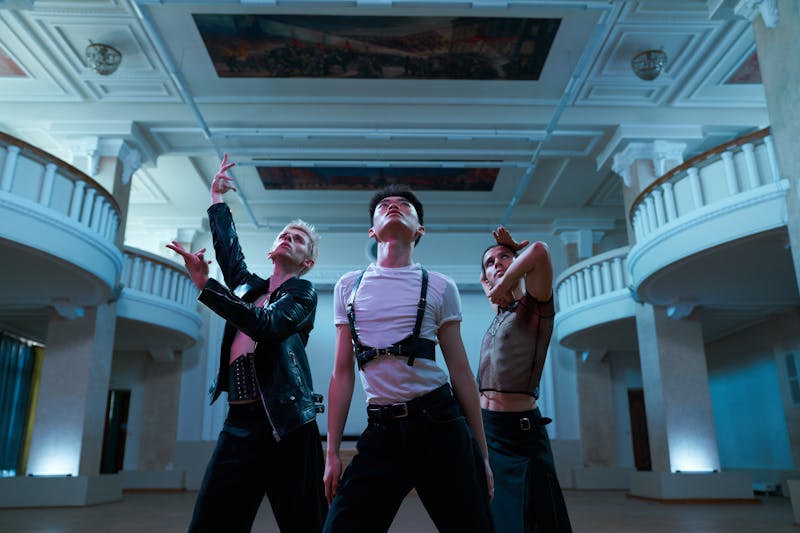
Ballroom and Drag Lingo
In the tradition of the iconic documentary Paris Is Burning, the library is officially open. The New York ballroom scene of the late 20th century didn’t just give us iconic fashion and dance—it gave us a vocabulary that has been further popularized today by shows like Drag Race. Not only have these terms become part of gay lingo, but they've even infiltrated some aspects of mainstream culture—often unreferenced, of course.
Spill the tea – To share the gossip. The juicier, the better.
Shade – A subtle, often indirect insult. Best delivered with plausible deniability. Mastering this art is mandatory for drag queens.
Read – A more direct form of shade. To expertly call someone out on their flaws with precision and flair. It isn’t actually meant to be mean, though, but rather to encourage the receiver to laugh at themselves and not take life so seriously. Quotes like “the library is open” and “reading is fundamental” have been lifted directly from the ballroom scene for use on RuPaul’s Drag Race.
Serve – To present a look, attitude, or performance. Ideally one that gets you 10s, 10s, 10s across the board, which is how categories were judged in—yes, you guessed it—the ballroom scene.
Werk / Slay / Eat – To put in the effort and absolutely own it. Usually accompanied by strutting. Lots of strutting. To show appreciation of said piece without going through the vigorous stress of clapping, one can tap their thumb and middle finger together.
Snatched – Looking exceptionally good. Hair, outfit, body, face in perfect unison.
Gagged – Shocked. Speechless. Amazed.
Voguing – A stylized dance inspired by fashion poses, made famous by 1980s ballroom culture and later Madonna. It is primarily categorized into three main styles: Old Way (precision, lines, poses), New Way (flexibility, geometric angles), and Vogue Fem (femininity, exaggerated, five elements).
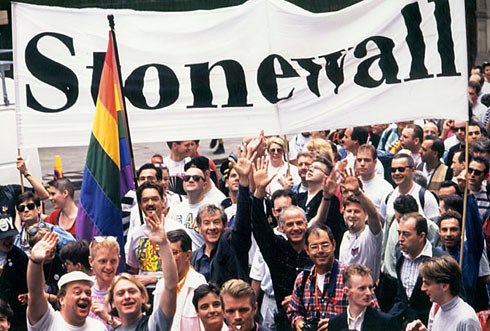
Old School Slang
We didn’t start the fire. But gay slang has been burning since the looks have been serving. In other words, gay slang did not start with the ’80s. It started with survival.
Friend of Dorothy – A coded way to identify gay men, referencing The Wizard of Oz and Judy Garland fandom.
Camp – An exaggerated, theatrical, yet ironic style subverted by gay people. It transforms “bad taste” or superficiality into a high-art, humorous, and subversive performance. People, films, music—basically any art—can be camp. Nowadays, it is often confused with simply being effeminate, when in fact it is its own thing.
Gold Star Gay – Someone who has never had heterosexual experiences. Often criticized as exclusionary—and frankly, a bit of an unnecessary flex.
Masc / Fem – Shorthand for being masculine or feminine in how you present to the world. Masc for masc is how masculine men on apps show they only like other masculine men. Now it’s become somewhat of a joke at their expense.
Let’s Talk About Sex, Baby
The LGBTQ+ community has always been a bit more…let’s go with “creative” when it comes to describing their relationships and bedroom dynamics. These are the main words we are using to describe the various ways we go about making those connections.
Open Relationship (the gay version) – Not exclusively LGBTQ+ by any stretch, but let’s just say we tend to go about it very differently than our straight friends. It has also become somewhat of a default—like it or not. Partners agree that they are not exclusive sexually and set up their own rules of engagement to avoid jealousy.
Throuple – A romantic relationship between three people. The way this is gone about really varies, such as whether they all live together or not.
Polyamory – The practice of having multiple romantic relationships with the knowledge and consent of everyone involved. They may or may not know each other, but they should at least know of each other. Otherwise, that’s just cheating.
Monogamish – Mostly monogamous, but differs from open relationships in that it is mostly closed, with a few instances when the couple might hook up with others—like when traveling or for threesomes, etc. Think of it as monogamy with a loophole clause or two.
Top / Bottom / Versatile – Refers to preferred roles in the bedroom. Top = gives. Bottom = receives. Versatile = eats a little from both column A and B.
Side – Someone who doesn't want anal sex but has most likely gotten damn good at all the other stuff!
Sub / Dom / Switch – Power dynamics in relationships or play. Submissive, dominant, or switching between both depending on mood, outfit, or day of the week.
BDSM – Bondage, discipline (or dominance), sadism (or submission), masochism. See Tom Holland for notes.
LGBTQ+ Identity Terms
That acronym keeps growing, and honestly, good for them. Having new words to pinpoint old concepts isn’t a bad thing. Language evolves because people finally have the space to define themselves properly. The tricky part is having others know what they mean, though. Technically not slang, but still words worth knowing.
2SLGBTQQIPAA – Yep, that is quite the mouthful. Most people default to either LGBT+ or LGBTQ+ these days for that reason, but it pays to know what all the letters in the full version mean anyway, so here goes: Two-Spirit, Lesbian, Gay, Bisexual, Transgender, Queer, Questioning, Intersex, Pansexual, Asexual, Allies.
Queer – This is a controversial one, with different interpretations attributed to the word. Some use it as an umbrella term for all LGBTQ+ people, reclaimed from its past as an insult. Some use it simply as a synonym for gay. Others consider it a separate identity (as in a letter within the acronym). In the latter case, it’s more of a fluid sexuality that doesn’t fit neatly into traditional labels. It tends to be connected to more left-wing political views and criticizes the mainstream gay scene for being too commercial and focused on gay men only.
Pansexual – Attraction regardless of gender. Differs from bisexual in that it doesn’t make a binary of two genders.
Non-binary – Someone who doesn’t identify strictly as a man or woman. Usually uses they/them as their pronouns, but not always.
Two-Spirit – A culturally specific identity used by some Indigenous North American communities, combining gender and spiritual roles.
Genderfluid – Gender identity that can change depending on how they feel. Some days they might identify as a man, some a woman, and some something in between.
Asexual (Ace) – There are different types, but generally someone not interested in sexual attraction. They may or may not be interested in emotional connection, though—aromantics are the type that aren’t.
Demisexual – Attraction develops only after a strong emotional connection. You won’t find them in the sauna—let’s just put it like that.
The Final Word
Words shape how we see the world—but more importantly, they shape how we find each other in it. Gay slang can be witty, even silly, but it also finds its roots in history, culture, identity, survival, and community.
From secret codes whispered in cruising areas to phrases now shouted across TikTok, this language tells the story of who we are, were, and will continue to be. And like any living language, it will keep evolving—new words, new meanings, new ways to connect. So, for the LGBTQ+ community, the library is always open.
FAQ: Just a Quickie
What are the most common gay slang terms?
If you’ve spent more than five minutes in a gay bar, online forum, dating app, or LGBTQ+ community event you’ve probably heard a few staples already. Phrases like “spill the tea” (share the gossip), “shade” (a subtle dig), and “read” (a more direct call-out) have been rebirthed from the 80`s ballroom scene thanks to drag. Then there’s “serve,” “slay,” and “werk”—all variations of doing something exceptionally well and making sure everyone notices. Descriptors like “twink,” “bear,” and “otter” help categorize subcultures, often “tongue-in-cheek.” Whereas, “top”, “bottom”, “masc for masc” you’ll be treated to whenever you log on to a dating app.
Where did popular LGBTQ+ slang originate?
Gay slang didn’t just appear out of nowhere—it has roots in survival, creativity, and community-building. Some terms date back decades, when coded language like “friend of Dorothy” helped queer people identify each other safely. Others emerged from the vibrant ballroom scene of the ’80s and ’90s, where language evolved alongside fashion, dance, and performance. Add in influences from drag culture, fetish communities, queer cinema, and now social media, and you’ve got a constantly evolving lexicon. It’s a living language shaped by history and reinvention—proof that when mainstream spaces exclude you, you make your own rules and thus vocabulary.
How does drag culture influence gay slang?
Drag culture is basically the PR department of gay slang—it takes niche expressions and launches them into the mainstream from platforms like Drag Race. They have amplified ballroom-origin terms like “read,” “shade,” and “the library is open,” turning them into global catchphrases. Drag queens don’t just use language—they perform it. Delivery matters as much as the words themselves, whether it’s a perfectly timed insult or a dramatic “gagged!” moment. The emphasis on wit, exaggeration, and confidence has shaped how slang is used today.
What’s the difference between slang and identity terms?
Slang and identity terms might overlap, but they serve very different purposes. Slang is playful, expressive, and often temporary—words like “slay” or “serve” are about how you say something, not who you are. Identity terms, on the other hand, are about defining personal experiences and orientations, like “non-binary,” “pansexual,” or “asexual.” While slang builds culture and connection, identity terms provide clarity and self-understanding. One is about style; the other is about substance.
Is gay slang universal or regional?
Gay slang might feel universal thanks to the internet, but it’s far from one-size-fits-all. Many terms have specific cultural origins—especially those from the New York ballroom scene or regional queer communities. What’s common in one country (or even one city) might be completely unfamiliar elsewhere. That said, social media and global pop culture have blurred those boundaries, spreading phrases like wildfire. Still, local variations and meanings persist, and context is everything. Think of it less as a single language and more as a collection of dialects.
Featured image by Gustavo Fring

Comment (0)