
Travel changes everything about your routine — the food you eat, the hours you keep, the way your body feels. Yet most of us pack our chargers, passports, and swim trunks without giving a second thought to one of the most important parts of our wellbeing: sexual wellness. Whether you're flying to a Pride festival, road-tripping with your partner, or exploring a new city solo, your body comes with you — and so do your needs.
The good news? Keeping your sexual health in check while traveling doesn't require a suitcase full of gadgets. It takes a little planning, a little honesty with yourself, and a few habits that cost almost nothing. Here's what actually matters, based on what frequent travelers wish they'd known sooner.
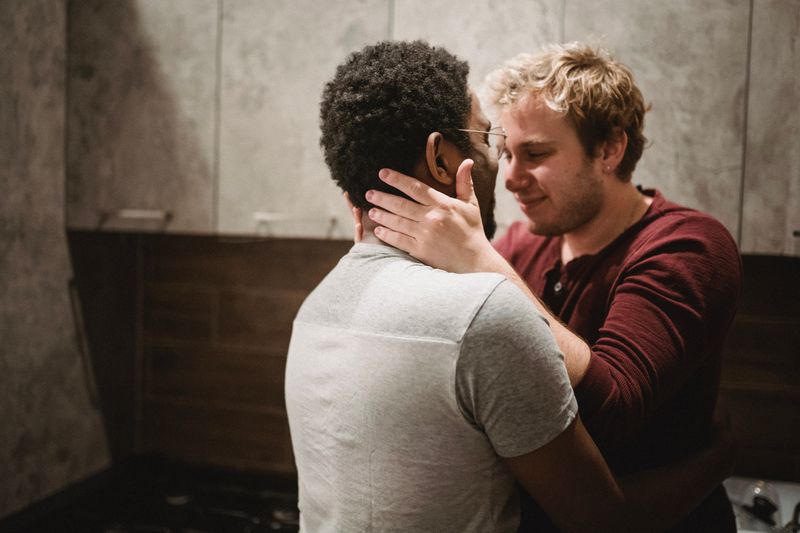
Pack for Pleasure: What Belongs in Your Carry-On
The first rule of sexual wellness on the road: don't rely on whatever you find at your destination. Products you're used to — your preferred lubricant, your regular condoms, your go-to medication — may not be available, may be sold under different brands, or may be significantly more expensive.
A small toiletry bag dedicated to sexual health solves this. Think travel-sized lubricant (check the 100ml liquid rule for carry-ons), a fresh supply of condoms, and any personal lubricants or medications you use regularly. If you're on PrEP or other daily medication, set a phone alarm in your destination's timezone on day one — jet lag is exactly when routines fall apart.
And yes, pleasure products belong in that bag too. Travel-friendly toys exist for a reason: compact size, quiet motors, and easy cleaning make all the difference in a hotel room. A handheld massager or a portable sex machine fits easily in checked luggage and turns an anonymous hotel night into something genuinely enjoyable. The key is choosing something designed for travel — not your largest, loudest home setup. That's the same principle behind travel-friendly toys: purpose-built for life on the move, not adapted to it.
Your Body on Jet Lag: The Real Reason Desire Drops
Here's the part nobody warns you about: travel genuinely changes how your body responds to intimacy — and it's not in your head, it's biology.
Your body runs on a circadian clock, a roughly 24-hour internal rhythm that regulates sleep, hormones, and energy. When you cross time zones, that clock falls out of sync with the sun. The result: cortisol — the stress hormone — spikes, while the hormones that support desire and arousal dip. Sleep disruption compounds this, because much of your body's repair and hormone regulation happens during deep sleep. Dehydration from flying adds another layer, and irregular eating confuses your metabolism on top of it.
When your circadian rhythm is scrambled, your body prioritizes survival basics over pleasure. That's why the “we just landed, let's go” plan often ends in exhaustion instead. It's not a lack of attraction — it's a physiological priority queue.
The fix is simple: prioritize rest for the first 24–48 hours. Sleep, hydrate, eat properly, move your body a little. You'll be surprised how much your desire — and your performance — returns once your body settles into the new rhythm. Don't force intimacy on day one. Let your body catch up, and the connection will feel far more natural.
Hotel Room Realities: Privacy, Cleaning, and Common Sense
Hotel rooms are not designed for privacy the way your bedroom is. Thin walls, housekeeping schedules, and unfamiliar spaces all factor into how comfortable you feel being intimate.
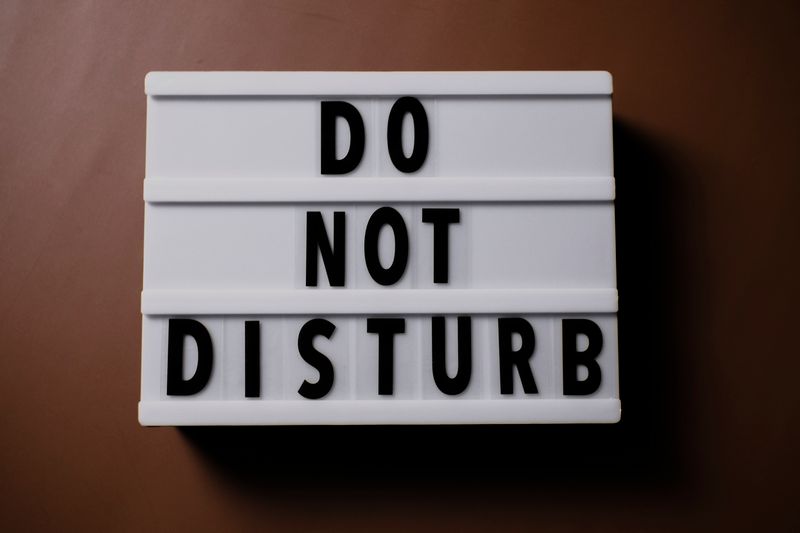
A few practical habits help: put the “do not disturb” sign up when you need uninterrupted time, and be mindful of noise — your neighbors really can hear you through those walls. If you're traveling with toys, clean them properly with soap and water or a dedicated toy cleaner (pack it, don't assume the hotel provides it), and store them discreetly in your luggage rather than leaving them out.
One more thing worth saying: be kind to yourself about the awkwardness. Hotel sex is a universal experience, and a little preparation — music playing, the right lighting, your preferred products on hand — goes a long way toward making it feel like your space.
Staying Safe with New People
Travel often means new connections, and that's one of the best parts of exploring the world. But there's a psychology worth understanding here: when we travel, we leave behind our usual social context. Nobody knows us, and that anonymity — combined with novelty and excitement — can quietly lower our guard. Studies of risk behavior consistently show that people make different decisions on vacation than they do at home, not because they're different people, but because the situation feels different.
That's exactly why the basics matter more, not less, on the road. Pack condoms and lube so you're never in a position where you have to make a decision without the right supplies. If you're meeting someone from an app, tell a friend where you're going — the same rule that applies at home applies in Bangkok, Berlin, or Barcelona.
And remember: consent and communication don't pause at the border. A new city doesn't change what a clear, enthusiastic “yes” looks like, and it doesn't change your right to change your mind at any point. Travel is about saying yes to new experiences — but only the ones you actually want.
After the Trip: Coming Back to Yourself
Returning home is its own transition. Your sleep schedule resets, your routine returns, and your body recalibrates. If your sex life felt different on the road — better, worse, or just different — that's normal. Some travelers discover new preferences while away; others simply find they missed the familiarity of home.
The takeaway: sexual wellness isn't a destination checklist. It's a practice of paying attention — to your body, your needs, and your boundaries — whether you're at home or ten time zones away.
So before your next trip, take five minutes to pack for your pleasure. Your body will thank you, and so will your trip.



Comment (0)